
Severe Typhoon Barrels Past Japan's Eastern Coast Disrupting Global Supply Chains
A powerful typhoon moving along Japan's eastern coast has triggered widespread infrastructure disruptions, threatening regional supply chains and international commodity flows.
Geopolitical & Core Developments
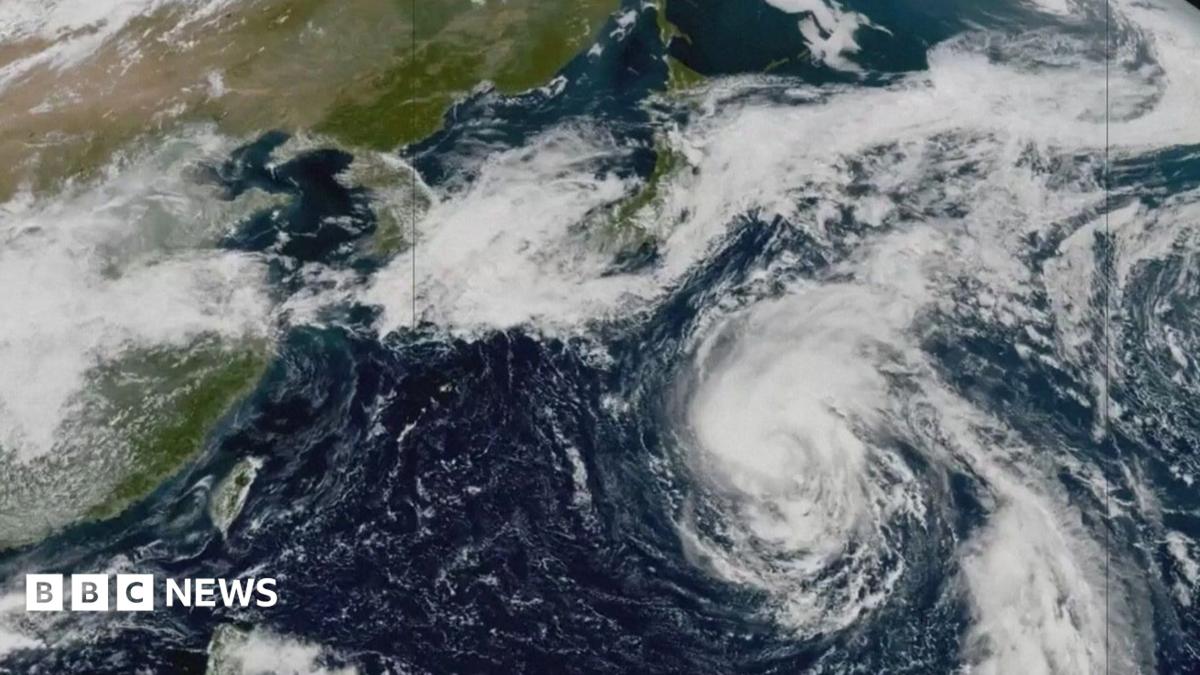
A powerful meteorological event struck Japan's eastern seaboard as a severe typhoon barrelled along the nation's coastline, bringing torrential rainfall, high-velocity winds, and extensive structural disruptions. Satellite timelapses and meteorological agencies tracked the storm as it tracked northward, impacting critical industrial corridors and heavily populated urban centers. National disaster management frameworks were immediately activated, with local authorities issuing evacuation advisories across vulnerable prefectures. The storm's trajectory forced the suspension of regional bullet train services, the cancellation of hundreds of domestic and international flights, and the temporary shutdown of major manufacturing assembly plants. Government ministries coordinated emergency response measures alongside prefectural disaster teams to mitigate risks of flash flooding, landslides, and prolonged power outages across the eastern seaboard.
Global Trade & Economic Ripples
The maritime and industrial fallout from the typhoon extends far beyond Japan's immediate coastline, sending ripples through global supply chains and commodity markets. Key container ports along the eastern seaboard enacted temporary suspensions of vessel handling and berthing operations, causing immediate bottlenecks in international shipping schedules. Japan remains a central node in global manufacturing networks, particularly for high-precision electronics, semiconductors, and automotive components. Consequently, temporary halts in production lines threaten to introduce logistical friction into downstream manufacturing sectors worldwide. Furthermore, regional energy infrastructure experienced precautionary curtailments, leading to localized volatility in spot LNG demand and refined petroleum product distribution as utilities prioritized grid stabilization and damage assessment.
Related Intelligence: Red Sea Escalation Deepens Humanitarian and Maritime Crisis
International Reactions & Diplomatic Stances
International trade partners, multinational corporations, and multilateral economic observers have closely monitored the unfolding situation, evaluating potential vulnerabilities in bilateral and global commerce. Logistics firms and maritime insurers issued advisories regarding projected delays in cargo clearance and vessel turnaround times at major Japanese terminals. Economic analysts noted that while advanced industrial economies maintain robust emergency stockpiles and contingency frameworks, prolonged disruptions to Japanese manufacturing output could temporarily impact quarterly export figures. Diplomatic missions in Tokyo mobilized consular support networks to assist stranded foreign nationals while maintaining continuous liaison with Japanese trade ministries to assess the broader economic impact on foreign direct investment and joint industrial ventures.
Strategic Outlook & Future Scenarios
As the severe weather system tracks further out to sea and meteorological warnings are systematically downgraded, the immediate focus shifts from emergency response to comprehensive damage assessment and economic restoration. Government and industry stakeholders face the task of accelerating infrastructure repairs and clearing port backlogs to normalize trade flows. The event has reignited strategic discussions among corporate risk managers regarding supply chain resilience and the vulnerability of concentrated manufacturing hubs to extreme weather events driven by shifting climatic patterns. Upcoming trade summits and logistics forums are expected to feature enhanced deliberations on climate-proofing maritime infrastructure and diversifying critical component supply chains to withstand future environmental shocks.
Join Our Official WhatsApp Channel
Receive live commodity alerts, policy changes, and commercial intelligence directly on WhatsApp.