
Iesco Privatisation Draws Overwhelming Domestic and International Investor Interest
The Privatisation Commission reported robust investor interest from Turkish and local firms seeking majority stakes and management control in Islamabad Electric Supply Company under the ongoing state divestment program.
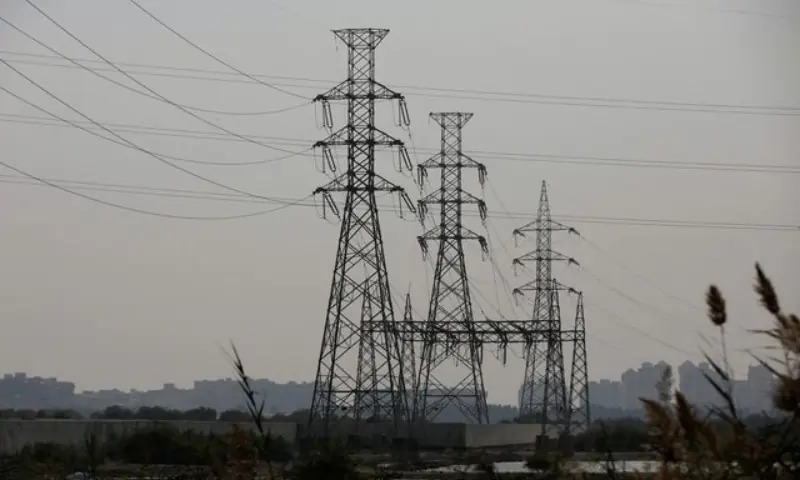
The Core Development
The Privatisation Commission announced an overwhelmingly positive response from both domestic and international markets regarding the divestment of the Islamabad Electric Supply Company (Iesco). As part of the broader structural reform agenda championed by the federal government to stem deep fiscal bleeding in the energy sector, Iesco stands alongside the Faisalabad Electric Supply Company (Fesco) and the Gujranwala Electric Power Company (Gepco) as a premier asset in the initial Discos Batch-I rollout.
In an official policy statement released on Monday, the commission confirmed that it received formal expressions of interest (EOIs) from a robust consortium of ten prospective bidders. This investor pool comprises three prominent Turkish energy corporations alongside seven established domestic industrial and financial groups. The bidding parameters outline a strategic acquisition scope, allowing prospective buyers to secure anywhere from 51 percent to 100 percent equity stake, coupled with complete management control to overhaul operational efficiencies.
Commercial & Economic Implications
For Pakistan's fragile macro-economy, the successful divestment of power distribution companies represents a critical milestone in satisfying structural benchmarks set by international financial institutions, notably the International Monetary Fund. Pakistan’s power sector circular debt has historically placed an unsustainable burden on the national exchequer, driven by systemic inefficiencies, high transmission losses, and widespread electricity theft.
Injecting private capital and modern corporate governance into Iesco is expected to drastically curtail technical and commercial losses. For retail traders, wholesale distributors, and industrial consumers in the federal capital territory and surrounding regions, private management promises more reliable power supplies, reduced frequency of unscheduled load shedding, and more transparent metering systems. Over the medium term, curbing inefficiencies at the distribution tier could alleviate inflationary pressures stemming from constant tariff adjustments necessitated by state-run utility losses.
Related Intelligence: Granit Xhaka Investigation Threatens Swiss Diplomatic and Commercial Stability
Stakeholder Perspectives & Market Reactions
The strong participation of international players, particularly from Turkey—a nation with extensive expertise in privatized energy grids—signals renewed confidence in Pakistan's long-term regulatory framework despite prevailing macroeconomic headwinds. Domestic business councils and trade associations have cautiously welcomed the development, emphasizing that the primary test will lie in safeguarding consumer rights and ensuring competitive tariff structures post-privatisation.
Labor unions and sector employee bodies, however, maintain a watchful stance, demanding stringent legal guarantees regarding job security, pension protections, and service structures under the new private management. Legal experts and financial analysts point out that transparent execution, predictable regulatory rulings by the National Electric Power Regulatory Authority (Nepra), and fair asset valuation will be vital to sustaining investor appetite through the final bidding rounds.
Forward Outlook & Key Watchpoints
Following the successful conclusion of the expression of interest phase, the Privatisation Commission will advance shortlisted bidders to the due diligence and Request for Proposal (RFP) stages. Key watchpoints for financial markets and policymakers include the final valuation benchmarks, the structuring of sovereign guarantees, and the resolution of legacy balance sheet liabilities associated with Iesco.
As the government accelerates its state-owned enterprise (SOE) triage, the outcome of the Iesco transaction will serve as an essential bellwether for subsequent privatization batches. Success here could unlock much-needed foreign direct investment, relieve the sovereign balance sheet of massive operational subsidies, and set a definitive precedent for reforming Pakistan's legacy public sector utilities.
Join Our Official WhatsApp Channel
Receive live commodity alerts, policy changes, and commercial intelligence directly on WhatsApp.