
Super El Nino Threatens Global Markets and Vulnerable Economies
An intensifying super El Nino phenomenon threatens severe global disruptions, putting hundreds of thousands of lives at risk and sending shockwaves through international commodity markets.
Geopolitical & Core Developments
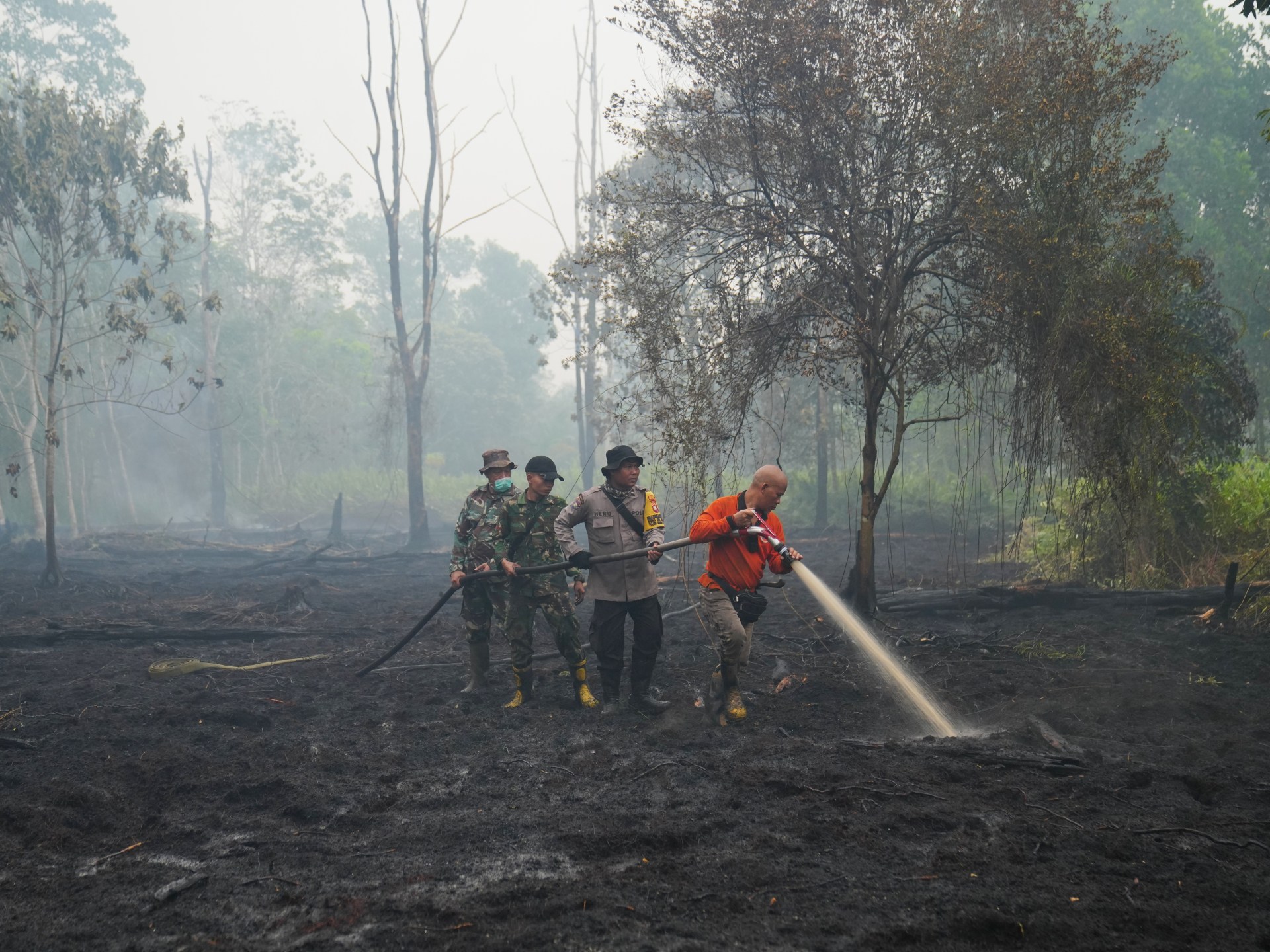
The onset of a potent super El Nino weather phenomenon, projected to sweep across the planet from June through February, has triggered profound alarm among international disaster management agencies and geopolitical strategists. Climatological assessments indicate that the Global South will bear the brunt of the meteorological shock, compounding existing socio-economic vulnerabilities and political instabilities in developing regions. Historically, El Nino cycles induce prolonged droughts in agrarian economies while triggering catastrophic flooding in equatorial territories. State actors across Latin America, Sub-Saharan Africa, and Southeast Asia are bracing for systemic institutional strains as agricultural yields plummet, rural livelihoods evaporate, and mass internal displacement pressures mount. Diplomatic channels are increasingly focused on mobilizing anticipatory humanitarian aid, yet structural deficits in early-warning mechanisms and resource allocation threaten to overwhelm national emergency responses.
Global Trade & Economic Ripples
The macroeconomic ramifications of the unfolding climate pattern extend far beyond regional weather disruptions, threatening core pillars of global trade and commodity pricing. Agricultural commodity markets—particularly for essential staples such as rice, wheat, palm oil, and cocoa—face severe supply contractions as drought conditions parch major cultivation belts in Asia and Latin America. Futures markets have already registered heightened volatility, reflecting anxiety over impending food inflation and export restrictions by major producing nations seeking to secure domestic reserves. Concurrently, energy markets confront acute stress. Hydroelectric power generation capacity is projected to decline precipitously across drought-stricken river basins, forcing nations to pivot toward fossil-fuel alternatives and driving up global liquefied natural gas (LNG) import demand. Furthermore, low water levels in critical commercial transit arteries, including the Panama Canal, threaten to bottleneck maritime shipping lanes, inflate freight rates, and exacerbate global supply chain friction.
Related Intelligence: Iran Rejects US Threats at UN as Energy Markets Brace for Volatility
International Reactions & Diplomatic Stances
Mediterranean and Western capitals, alongside multilateral institutions such as the United Nations and the World Meteorological Organization, have issued urgent warnings regarding the compounding risks of the climate anomaly. The Food and Agriculture Organization (FAO) has called for coordinated international interventions to cushion vulnerable import-dependent economies against impending food price shocks. Financial analysts and central bankers are closely monitoring the inflationary feedback loops generated by agricultural and energy supply bottlenecks, warning that monetary policy tightening cycles may be prolonged if commodity price spikes become entrenched. Meanwhile, developing nations are intensifying demands at diplomatic forums for fulfillment of climate adaptation finance commitments, arguing that industrialized economies must shoulder greater responsibility for mitigating systemic weather shocks that disproportionately penalize the Global South.
Strategic Outlook & Future Scenarios
As the super El Nino matures, the trajectory of global economic stability will depend heavily on the efficacy of preemptive risk mitigation and international burden-sharing. Upcoming international climate summits and trade ministerial meetings will serve as crucial testbeds for forging emergency supply agreements and humanitarian coordination frameworks. Geopolitical analysts warn that persistent food insecurity and economic hardship could precipitate domestic unrest in fragile states, potentially triggering secondary migration waves toward neighboring regions. Policymakers face a narrow window to deploy strategic grain reserves, implement adaptive agricultural practices, and secure energy supply lines before the full socioeconomic toll of the phenomenon materializes across international borders.
Join Our Official WhatsApp Channel
Receive live commodity alerts, policy changes, and commercial intelligence directly on WhatsApp.