
UN General Assembly Rises as Security Council Paralysis Redraws Global Diplomacy
Systemic gridlock in the UN Security Council is driving a historic shift in global political weight toward the General Assembly, reshaping international diplomacy and commercial risk assessments.
Geopolitical & Core Developments
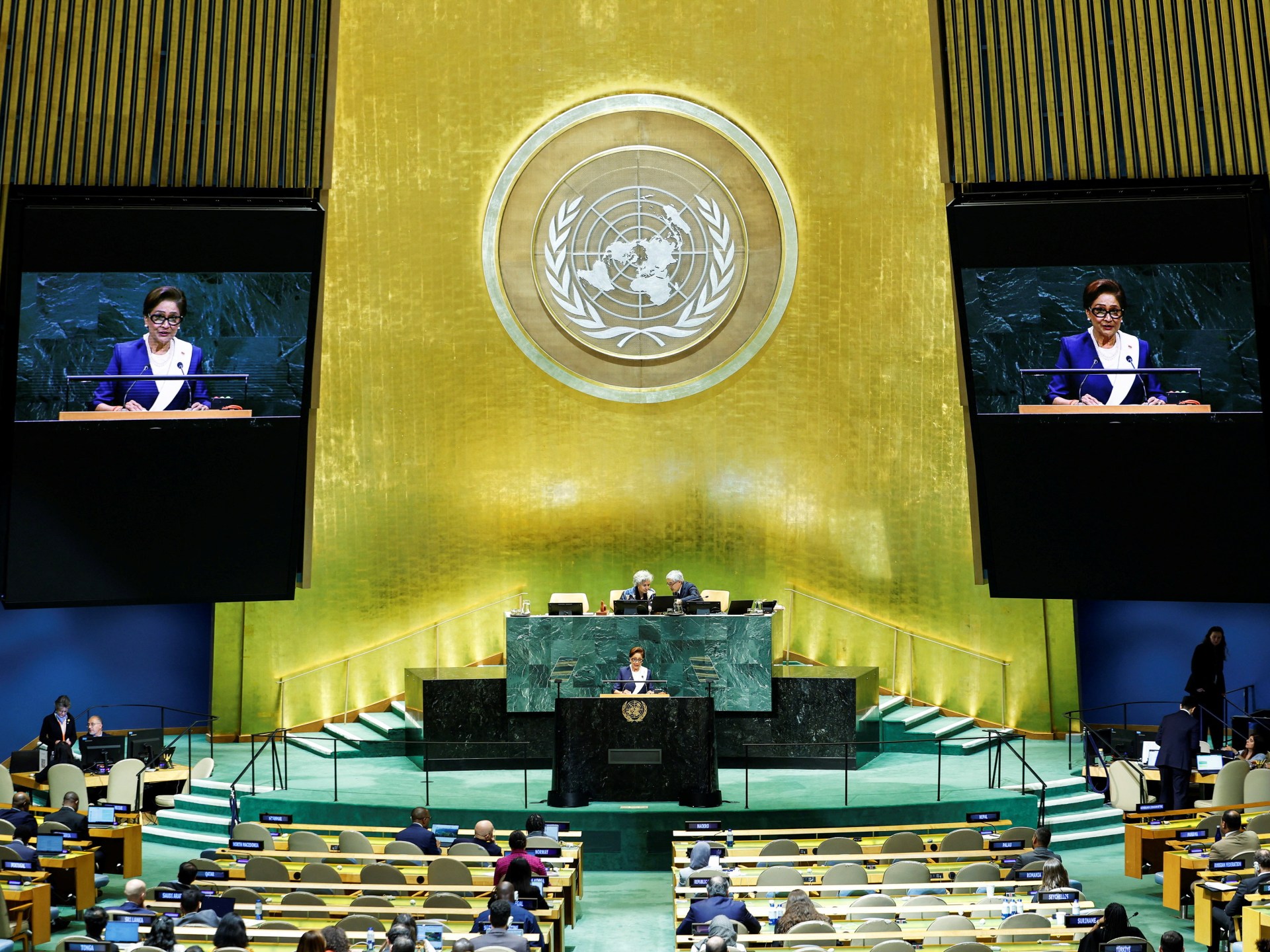
The architecture of post-World War II global governance is experiencing a profound structural realignment. At the center of this transformation is the United Nations General Assembly (UNGA), which is rapidly assuming a more assertive posture in international crisis management. For decades, the UN Security Council (UNSC) retained an effective monopoly on binding international security decisions, anchored by the veto power of its five permanent members: the United States, Russia, China, the United Kingdom, and France. However, escalating geopolitical polarization between Western democracies and major Eurasian powers has rendered the UNSC increasingly dysfunctional.
This institutional paralysis has catalyzed an unprecedented shift of political gravity toward the 193-member UNGA. As the Security Council repeatedly stymies initiatives addressing major armed conflicts and humanitarian catastrophes through persistent veto use, middle powers and developing nations are utilizing the General Assembly to circumvent gridlock. Mechanisms such as the 'Uniting for Peace' resolution framework are being leveraged to debate pressing conflicts, condemn aggression, and issue normative directives that carry significant moral and political weight. This evolution reflects a broader transition toward a multipolar world order, wherein traditional Western hegemony is increasingly contested by assertive regional actors across the Global South.
Global Trade & Economic Ripples
The migration of diplomatic leverage toward the UNGA carries profound implications for global trade, commodity markets, and cross-border capital flows. As multilateral consensus fractures within traditional security forums, economic policy coordination is increasingly fragmented. Resolutions passed within the General Assembly frequently target trade-sensitive sectors, including energy exports, maritime shipping corridors, and economic sanctions regimes. While UNGA resolutions are primarily recommendations rather than legally binding enforcement mechanisms under Chapter VII, they heavily influence sovereign risk ratings, international insurance underwriting, and trade finance availability.
For global commodity traders, this institutional shift introduces a new layer of regulatory and geopolitical unpredictability. Energy markets, agricultural supply chains, and critical mineral corridors are increasingly vulnerable to shifting voting coalitions within the UN. Developing economies, wielding numerical dominance in the General Assembly, are increasingly using the platform to push for debt restructuring frameworks, climate reparations, and alternative trade architectures. This legislative activism impacts multinational corporations operating in emerging markets, forcing supply chain strategists to account for sudden diplomatic realignments that can disrupt bilateral trade agreements, tariff structures, and foreign direct investment.
Related Intelligence: Harvey Weinstein Sentenced to 15 Years in New York Prison
International Reactions & Diplomatic Stances
The elevation of the UNGA has drawn sharply divergent responses from the international community. Western capitals, historically accustomed to steering global agendas through the Security Council, have expressed cautious concern over the dilution of traditional diplomatic channels, warning against the proliferation of non-binding mandates that complicate unified international law. Conversely, nations across Africa, Latin America, and Asia have championed the revitalization of the General Assembly as a vital corrective to an outdated governance model that has long marginalized their strategic interests.
Multilateral financial institutions and market analysts are closely monitoring these shifting diplomatic dynamics. Ratings agencies note that increased reliance on UNGA resolutions to address sovereign debt distress and ecological crises could accelerate regulatory divergence between major economic blocs. Trade associations emphasize that corporate compliance departments must adapt to a more volatile multilateral environment, where diplomatic signaling in New York frequently translates into immediate operational hurdles in strategic commodity-producing regions.
Strategic Outlook & Future Scenarios
Looking ahead, the growing prominence of the UN General Assembly is poised to become a permanent fixture of international relations. Upcoming high-level summits and review conferences are expected to feature intense lobbying over structural reforms, including potential expansions of the Security Council and formal proposals to enhance the enforcement capabilities of the General Assembly. If the current trajectory of great power competition persists, the UNGA will likely solidify its role as the premier forum for global normative standard-setting.
For international businesses and geopolitical risk strategists, navigating this environment requires continuous monitoring of voting patterns and coalition-building within the UN system. As geopolitical fragmentation deepens, the ability to anticipate regulatory shifts originating from multilateral consensus-building will remain a critical determinant of commercial success across global markets.
Join Our Official WhatsApp Channel
Receive live commodity alerts, policy changes, and commercial intelligence directly on WhatsApp.