
UN General Assembly 2026 Convenes Amid Global Economic and Geopolitical Realignment
The 2026 UN General Assembly general debate begins September 22, bringing together global leaders as international markets brace for geopolitical shifts affecting energy and trade.
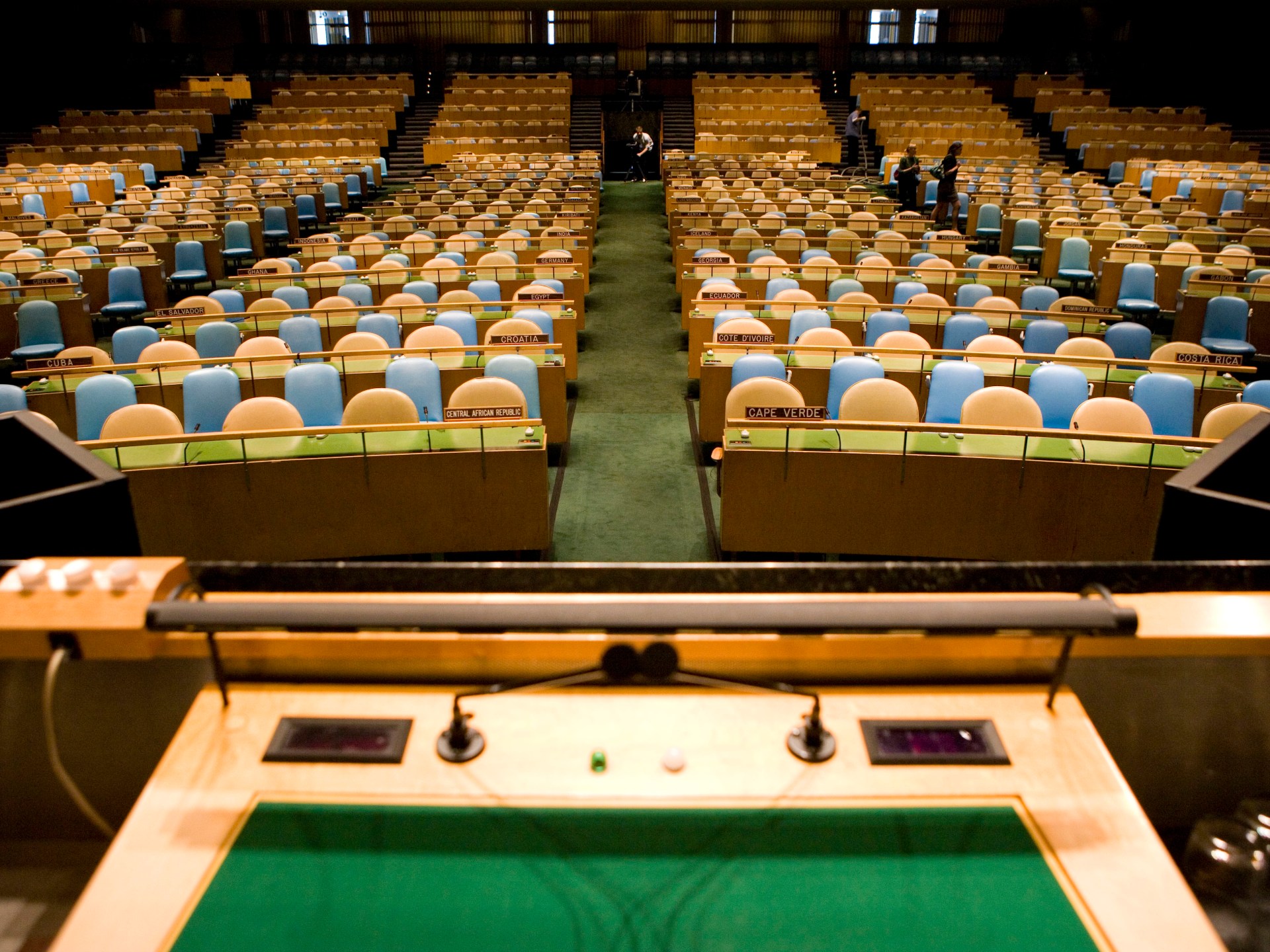
Geopolitical & Core Developments
The seventy-first session of the United Nations General Assembly high-level debate commences on September 22, 2026, serving as the premier global forum for international diplomacy. Convening at United Nations Headquarters in New York, the gathering brings together heads of state, government leaders, and foreign ministers from all 193 member states. This year's general debate unfolds against a backdrop of complex geopolitical realignments, protracted regional conflicts, and deepening strategic competition among major powers. Diplomatic delegations face mounting pressure to address multilateral gridlock, reform international financial architectures, and establish cohesive frameworks for managing global security challenges. The sequence of addresses by major global powers will establish the tone for bilateral negotiations on the sidelines, where critical pacts regarding territorial integrity, climate finance, and technology governance are quietly negotiated.
Global Trade & Economic Ripples
Beyond traditional diplomatic maneuvering, the General Assembly serves as a vital barometer for international commerce, directly influencing global commodity markets, shipping lanes, and currency valuations. Traders and institutional investors closely scrutinize leader addresses for shifts in trade policy, protectionist measures, and potential tariff escalations. Energy markets remain particularly sensitive to diplomatic positioning regarding supply security, transit corridor stability, and ongoing sanctions regimes targeting major petroleum and mineral exporters. Any rhetorical shifts concerning maritime security in vital chokepoints can trigger immediate volatility in ocean freight rates and marine insurance premiums. Furthermore, multilateral discussions surrounding debt restructuring for developing nations directly impact sovereign bond yields and foreign direct investment flows across emerging markets.
Related Intelligence: UN General Assembly 2024: Geopolitical Flashpoints and Commercial Impacts
International Reactions & Diplomatic Stances
Official statements emanating from the General Assembly podium and bilateral press briefings provide essential intelligence for multinational corporations navigating regulatory compliance and geopolitical risk. Representatives of multilateral financial institutions, including the International Monetary Fund and the World Bank, are using the summit to urge coordinated fiscal restraint and targeted investments in supply chain diversification. Meanwhile, developing economies continue to lobby for equitable access to capital markets and fair terms of trade, highlighting structural imbalances in global commodity supply chains. Market analysts note that while official UN resolutions often carry symbolic weight, the underlying diplomatic consensus forged in New York frequently translates into binding trade restrictions, export controls, and strategic investment screening mechanisms enacted by national governments in subsequent quarters.
Strategic Outlook & Future Scenarios
Looking beyond the September debate, the outcomes of the 2026 UN General Assembly will establish the foundational trajectory for upcoming multilateral summits, including upcoming G20 and climate conferences. Corporations and commodity traders must model various future scenarios, ranging from a managed stabilization of international trade disputes to an escalation of fragmentation along geopolitical blocs. Key variables to monitor include potential adjustments to multilateral sanctions enforcement, bilateral trade pact negotiations initiated on the sidelines, and evolving regulatory frameworks governing critical minerals and green energy technology transfers. As global supply chains continue their structural adaptation to heightened geopolitical risk, the strategic signals emitted during this year's UNGA will remain central to corporate risk assessment and long-term capital allocation strategies.
Join Our Official WhatsApp Channel
Receive live commodity alerts, policy changes, and commercial intelligence directly on WhatsApp.