
KP Chief Minister Defends PTI March as Crackdown Intensifies
Khyber Pakhtunkhwa Chief Minister Sohail Afridi has defended the upcoming PTI long march as a constitutional right amid rising political tensions and alleged state crackdowns against party workers.
The Core Development
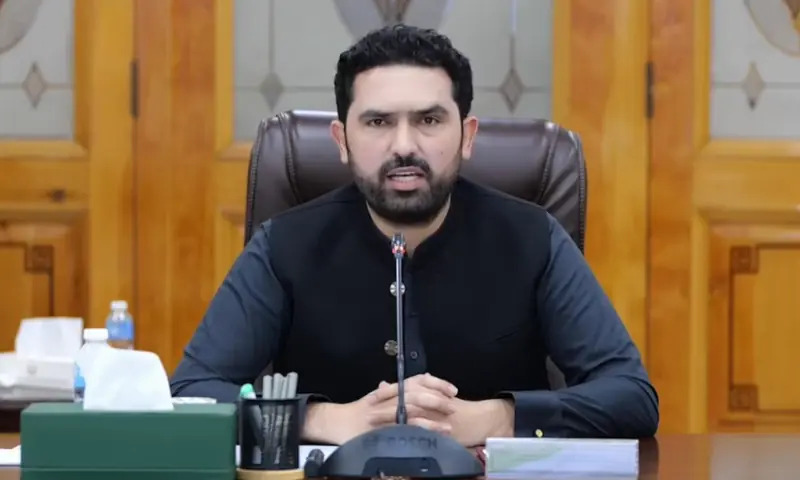
Ahead of the Pakistan Tehreek-e-Insaf (PTI) planned long march to Islamabad on September 27, Khyber Pakhtunkhwa Chief Minister Sohail Afridi delivered a robust defense of public assembly during a provincial cabinet meeting in Peshawar on Wednesday. CM Afridi asserted unequivocally that staging protests remains a fundamental legal and constitutional right guaranteed under the laws of Pakistan, pushing back against mounting administrative pressure and preemptive measures taken by federal authorities.
The political climate has grown increasingly volatile following the Chief Minister's allegations that unidentified plainclothes individuals have spent the past three to four days systematically targeting PTI workers, local office-bearers, and elected representatives across various districts. Escalating the rhetoric, Afridi further claimed that a direct assassination attempt had been orchestrated against the provincial Communications and Works Minister, heightening security alarms within the provincial administration and compounding the standoff between the provincial government and federal entities.
Commercial & Economic Implications
For Kalyar Traders and the broader business community across Pakistan, escalating political confrontation translates directly into immediate economic vulnerability. Major political marches and subsequent security lockdowns in the federal capital historically disrupt inter-provincial trade corridors, particularly the vital supply chains connecting Peshawar, Rawalpindi, and Islamabad. Wholesale distribution networks experience severe bottlenecks as containerized roadblocks and security cordons go up, delaying the transit of essential goods, raw materials, and perishable consumer items.
Retail markets in major urban centers are bracing for dampened consumer footfall and inventory shortages if transport arteries are paralyzed during the late-September demonstrations. Furthermore, persistent political instability continues to exert upward pressure on inflationary expectations, dampening investor confidence and delaying critical commercial transactions. Business associations have repeatedly warned that sustained disruptions to logistics inflict severe daily losses on small and medium enterprises, undermining fragile post-crisis economic stabilization efforts.
Related Intelligence: UK Social Fractures Threaten Investor Confidence and Domestic Stability
Stakeholder Perspectives & Market Reactions
Trader associations and commercial bodies have expressed deep apprehension regarding the impending showdown, urging both federal authorities and opposition leadership to prioritize economic continuity and public safety. Industry representatives note that repeated political turmoil severely undermines retail trade and wholesale distribution, creating an unpredictable operating environment for businesses striving to manage tight margins amidst high utility costs and currency fluctuations.
Legal experts remain divided on the limits of administrative enforcement versus constitutional freedoms of assembly, noting that while peaceful protest is protected under Article 16 of the Constitution, maintaining public order and protecting critical state infrastructure remain paramount duties of the executive. Meanwhile, public response has polarized sharply along political lines, with civil society groups calling for immediate dialogue to de-escalate tensions before the September 27 deadline.
Forward Outlook & Key Watchpoints
As the September 27 long march approaches, key market watchpoints include potential containerization and road closures along the Grand Trunk Road and motorway links, which will serve as early indicators of commercial disruption. Analysts will closely monitor federal government responses, potential mass arrests, and any judicial interventions that could alter the trajectory of the protests.
Policy enforcement measures taken by law enforcement agencies over the coming days will dictate whether the demonstration proceeds as a managed political gathering or escalates into widespread civil unrest. For the business community, mitigating financial exposure, securing supply chain buffers, and monitoring real-time transit advisories remain essential strategies as the political crisis enters a critical phase.
Join Our Official WhatsApp Channel
Receive live commodity alerts, policy changes, and commercial intelligence directly on WhatsApp.