
Brazilian Electoral Stalemate Threatens Commodity Markets as Lula Faces Bolsonaro
Brazil's upcoming presidential election shows a dead heat between Luiz Inacio Lula da Silva and Flavio Bolsonaro, triggering market anxiety over future trade, fiscal policies, and environmental regulations.
Geopolitical & Core Developments
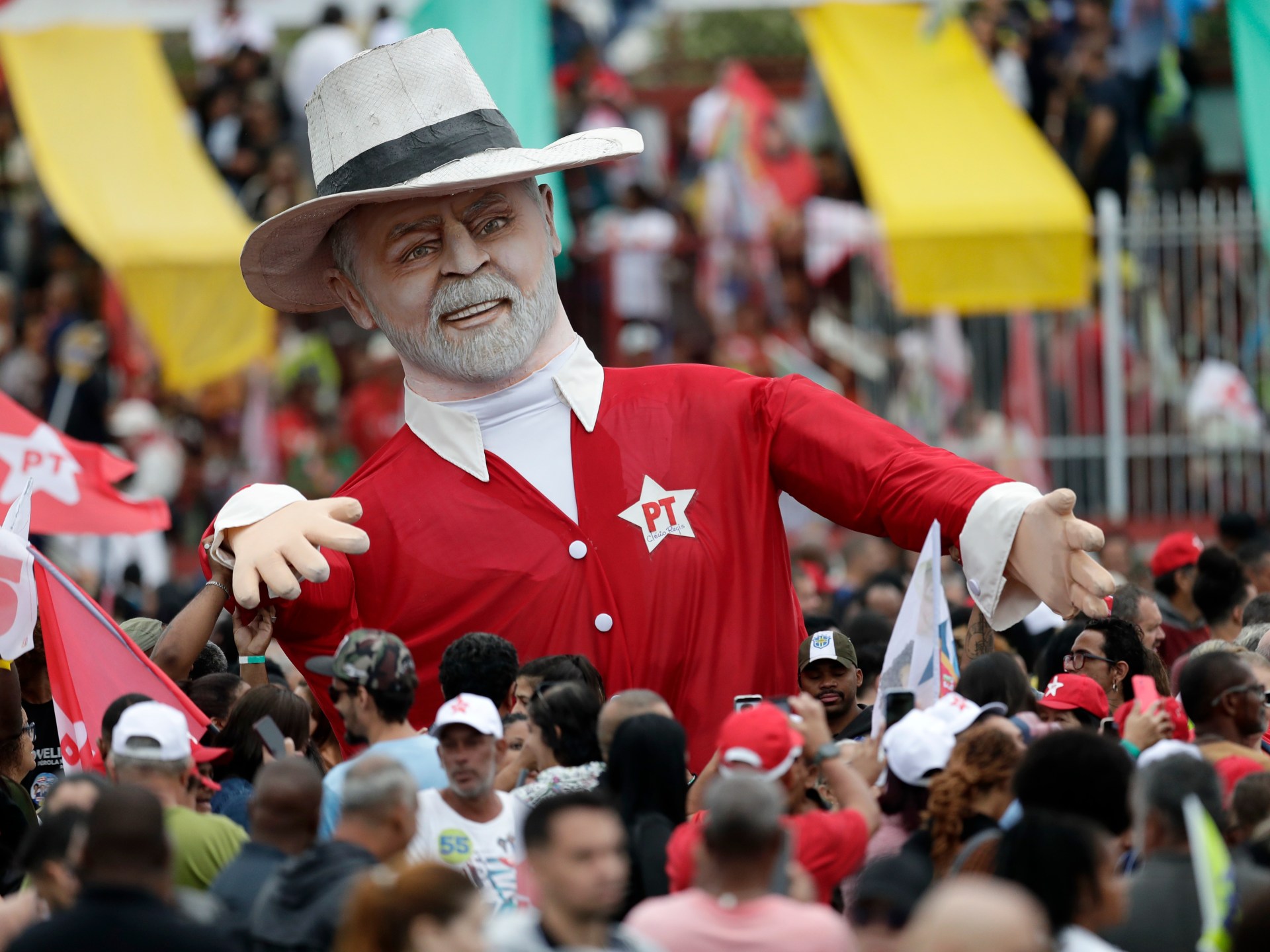
The political landscape of Latin America's largest economy is bracing for a high-stakes electoral showdown as incumbent President Luiz Inacio Lula da Silva confronts a surprisingly robust challenge from Flavio Bolsonaro ahead of October's general election. Recent polling data indicates a dead heat between the two prominent figures, underscoring deep political polarization within the nation of over 215 million citizens. Lula, seeking a historic fourth non-consecutive term, has centered his campaign on social welfare expansion, state-driven industrial policy, and strengthening regional alliances across the Global South. Conversely, the Bolsonaro camp has capitalized on voter anxieties surrounding inflation, fiscal deficit expansion, and anti-establishment sentiment, rallying a coalition of conservative lawmakers, agribusiness leaders, and urban middle-class constituents.
The strategic stakes extend far beyond domestic governance. Brazil remains a linchpin of South American geopolitics, capable of swaying regional trade blocs such as Mercosur and altering diplomatic balances within multilateral forums like the BRICS alliance. The electoral trajectory sets the stage for a contentious campaign period characterized by intense ideological battles over institutional norms, judicial independence, and the state's role in managing strategic national assets. Political analysts note that campaign rhetoric is likely to harden in the coming months, heightening polarization and raising the specter of post-electoral contestation reminiscent of previous regional political upheavals.
Global Trade & Economic Ripples
As the world's leading exporter of soybeans, iron ore, and beef, alongside a major producer of crude oil and coffee, any political shift in Brasilia reverberates instantly across international commodity exchanges. The tightening electoral race has introduced a palpable layer of volatility into global supply chains. A potential transition toward a conservative administration under the Bolsonaro banner could herald renewed efforts toward fiscal austerity, privatization of state-owned enterprises, and the deregulation of environmentally sensitive sectors. This prospect elicits optimism among international mining conglomerates and large-scale agricultural exporters who favor reduced state intervention and lower corporate tax burdens.
Simultaneously, currency traders and international institutional investors are closely monitoring the Brazilian Real, pricing in heightened sovereign risk premium as the electoral timeline accelerates. Energy markets, particularly ethanol and offshore petroleum sectors managed by state-controlled Petrobras, face potential strategic realignments depending on the victor. While Lula's administration favors domestic refining capacity and green energy subsidies financed through public channels, a right-leaning administration would likely pursue aggressive privatization and asset sales to foreign energy majors. Consequently, international shipping lanes originating from Santos and Paranagua are factoring in potential policy shifts that could alter export tariffs, environmental compliance mandates, and bilateral trade agreements with key Asian and European partners.
Related Intelligence: ADB and World Bank Eye $6.8bn ML-1 Railway Revamp
International Reactions & Diplomatic Stances
Global capitals and multilateral financial institutions are maintaining a watchful eye on the Brazilian electoral dynamic, cognizant of the country's outsized influence on planetary climate policy and global food security. Representatives from the International Monetary Fund and World Bank have emphasized the necessity of fiscal consolidation and structural reforms to anchor long-term economic stability in South America. Meanwhile, European Union trade officials remain engaged in delicate negotiations regarding the long-delayed EU-Mercosur trade agreement, noting that the outcome of Brazil's presidential contest will be decisive in determining the treaty's ratification prospects, particularly concerning environmental safeguards and Amazonian deforestation monitoring.
Major trading partners, including the United States and China, are calibrating their diplomatic postures to navigate the shifting political currents. Beijing, Brazil's largest export destination for raw commodities, views continuity in bilateral trade as paramount, regardless of ideological shifts in the presidency. Conversely, Washington has underscored the importance of transparent democratic processes and regional stability, aiming to counter rising extra-hemispheric economic influence while preserving strategic technological and agricultural partnerships.
Strategic Outlook & Future Scenarios
Looking toward the October ballot, the strategic trajectory of the Brazilian election points toward an intensely contested campaign where economic performance, inflation rates, and social security provisions will dictate voter behavior. Geopolitical analysts have identified several escalation points, including potential legal challenges to candidate eligibility, currency market interventions by the central bank, and heightened scrutiny over digital misinformation campaigns. Regardless of the electoral outcome, the incoming administration will inherit a complex macroeconomic environment defined by global inflationary pressures, debt management challenges, and mounting international pressure to balance economic development with stringent environmental stewardship.
Join Our Official WhatsApp Channel
Receive live commodity alerts, policy changes, and commercial intelligence directly on WhatsApp.