
UN General Assembly 2024: Geopolitical Flashpoints and Commercial Impacts
As global leaders gather for the United Nations General Assembly, diplomatic negotiations intersect with critical commodity markets, supply chain security, and international trade stability.
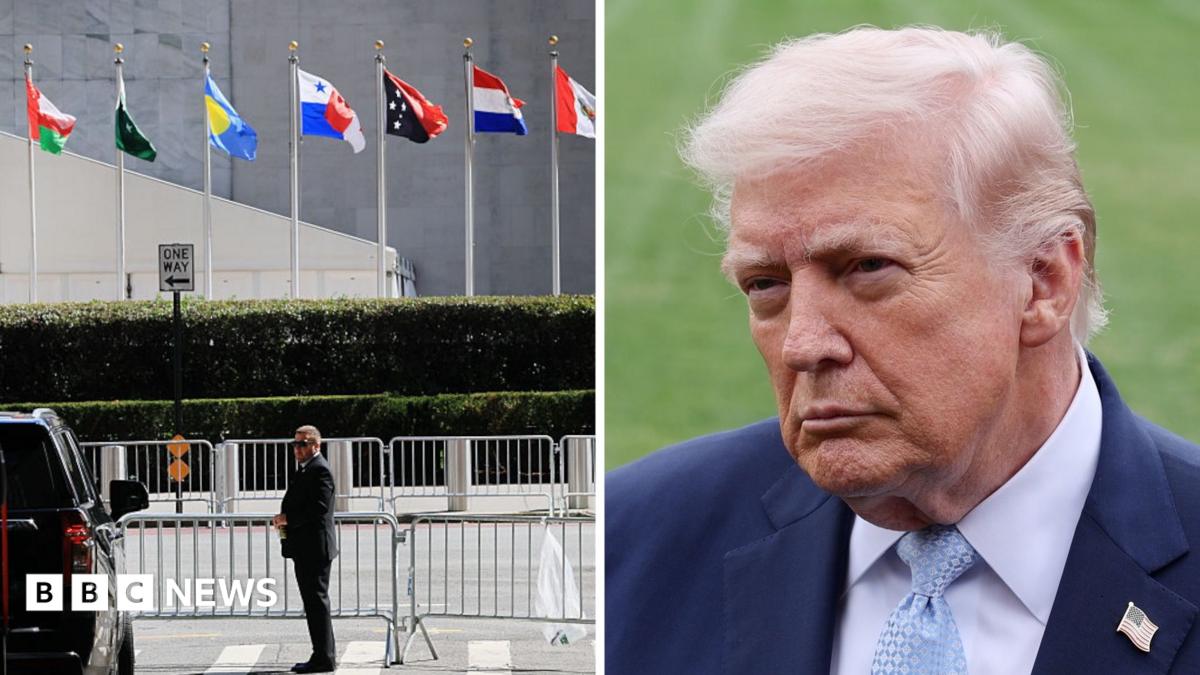
Geopolitical & Core Developments
The annual high-level gathering of the United Nations General Assembly opens against a backdrop of profound geopolitical friction, marked by protracted conflicts in Eastern Europe and the Middle East, alongside strategic competition in the Indo-Pacific. As delegations descend upon New York, bilateral schedules reveal intense diplomatic maneuvering among major state actors seeking to shore up alliances and secure strategic advantages. Key diplomatic agendas are dominated by discussions on ceasefire frameworks, humanitarian access, and the architectural reform of multilateral institutions. High-stakes bilateral meetings, notably involving prospective US leadership contenders and allied heads of state, are set to shape security guarantees and defense commitments for the coming decade. The assembly serves as a critical barometer for international consensus, testing the resilience of global governance frameworks against rising unilateralism and nationalist economic policies.
Global Trade & Economic Ripples
Beyond the diplomatic rhetoric, international markets are closely monitoring the UNGA proceedings for signals affecting global commodity flows, energy security, and maritime logistics. Geopolitical realignments discussed in diplomatic corridors directly impact investor confidence across crude oil futures, liquefied natural gas (LNG) supply contracts, and critical mineral supply chains necessary for the energy transition. Ongoing security vulnerabilities in vital maritime chokepoints, including the Red Sea and the Strait of Hormuz, continue to inflate freight rates and force container shipping operators to adopt protracted routing around the Cape of Good Hope. Commodity traders remain on high alert for secondary sanctions, export controls, and tariff adjustments that could alter historical trade routes. Currency markets are similarly reacting to macroeconomic uncertainty, with central banks recalibrating foreign exchange reserves amidst shifting geopolitical risk premiums and persistent inflationary headwinds.
Related Intelligence: G7 Demands Iran Halt Houthi Support Amid Energy Security Threats
International Reactions & Diplomatic Stances
Official statements emanating from UN specialized agencies, multilateral development banks, and allied coalitions underscore a growing anxiety over fragmented global trade architecture. Leadership representatives from the Global South have forcefully articulated demands for equitable debt restructuring, climate adaptation financing, and transparent access to technological innovation. Meanwhile, trade delegations and market analysts have expressed concern that deepening geopolitical polarization will accelerate economic decoupling and protectionist legislation. Statements from major economic blocs emphasize the imperative of maintaining open supply lines for agricultural staples and industrial raw materials, even as national security doctrines increasingly override pure market efficiencies. Multilateral bodies continue to advocate for cooperative frameworks to prevent retaliatory trade measures that threaten post-pandemic global economic recovery.
Strategic Outlook & Future Scenarios
Looking ahead, the diplomatic outcomes of this year's UN General Assembly will establish the foundational parameters for upcoming international summits, including the G20 and COP conferences. Strategic analysts project a heightened risk of targeted economic sanctions, localized trade embargoes, and intensified competition for rare earth elements over the next twelve to eighteen months. Corporations and institutional investors must navigate an increasingly volatile operating environment where regulatory compliance, supply chain resilience, and geopolitical risk assessment are paramount. As state actors leverage economic statecraft to achieve geopolitical objectives, global trade networks will likely experience permanent structural adjustments, compelling market participants to diversify operational footprints and prioritize regional self-sufficiency over traditional globalization models.
Join Our Official WhatsApp Channel
Receive live commodity alerts, policy changes, and commercial intelligence directly on WhatsApp.