
Diplomatic Friction Between Turkiye and Azerbaijan Tests Strategic Alliances and Trade
Mounting disagreements over domestic socio-religious policies and bilateral ties with Israel have introduced rare diplomatic friction between long-standing strategic partners Turkiye and Azerbaijan.
The Core Development
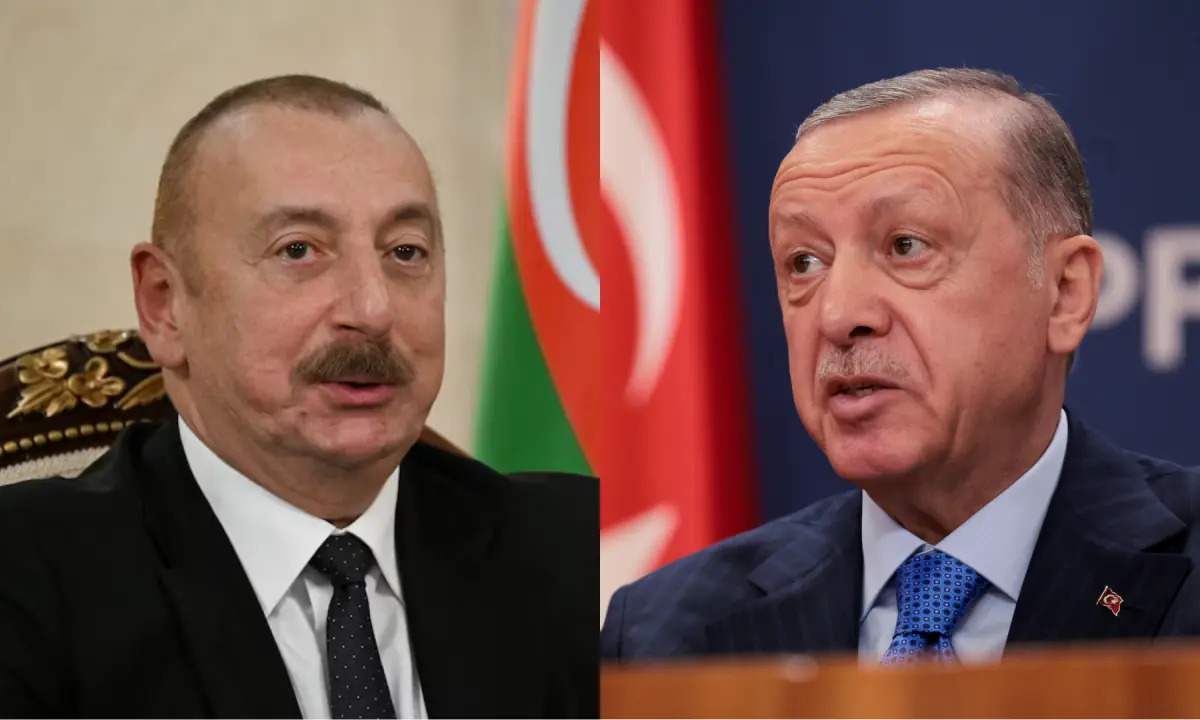
The historically resilient alliance between Turkiye and Azerbaijan has encountered significant diplomatic turbulence, driven by domestic social policies in Baku and divergent foreign policy positions regarding Israel. The bilateral relationship, long anchored by the geopolitical doctrine of 'one nation, two states,' has historically maintained unified fronts across regional diplomacy, defense cooperation, and energy connectivity. However, recent developments have exposed rare public fractures among senior policy advisors and official channels.
At the center of the dispute is Baku's reinforced restrictions regarding headscarves in educational institutions, a measure that has drawn sharp criticism from Ankara's conservative political establishment. Oktay Saral, chief adviser to Turkish President Recep Tayyip Erdogan, departed from typical diplomatic protocol by publicly denouncing the policy as unacceptable. Compounding the domestic policy rift is a pronounced foreign policy divergence over Israel. While Ankara has taken a stringent diplomatic posture and suspended direct commercial trade with Tel Aviv over regional conflict escalations, Azerbaijan maintains robust intelligence, military procurement, and energy agreements with Israel, supplying substantial volumes of crude oil through the Baku-Tbilisi-Ceyhan pipeline.
Commercial & Economic Implications
While the diplomatic rhetoric remains partially cushioned at the head-of-state level, any prolonged institutional friction between Ankara and Baku threatens commercial dynamics across Eurasia and downstream trade partners, including Pakistan. Turkiye and Azerbaijan serve as key transit hubs for energy and manufactured goods moving between Central Asia, Europe, and South Asia. For commercial operators and importers in Pakistan, geopolitical stability across this corridor is critical for the stability of overland transit initiatives, regional energy pricing, and fertilizer logistics.
Pakistan maintains strong trilateral diplomatic and commercial understandings with both Ankara and Baku, frequently leveraging joint ventures in defense procurement, petroleum supply lines, and trade corridors. Any fracture in the Ankara-Baku axis risks complicating multilateral trade frameworks, increasing transit insurance premiums across the South Caucasus, and introducing volatility into petroleum derivative imports. Wholesale and distribution sectors that rely on stable petrochemical supply chains may experience margin compression if transit fees or logistical re-routings emerge across regional transit terminals.
Related Intelligence: Diplomatic Friction Strains Turkiye-Azerbaijan Ties Amid Regional Energy Shifts
Stakeholder Perspectives & Market Reactions
Regional business councils and trade associations have expressed quiet concern over the escalating rhetoric. Commercial chambers in Istanbul and Baku have urged state authorities to compartmentalize geopolitical and socio-religious disagreements to protect private capital flows, joint infrastructure ventures, and reciprocal tariff exemptions established under preferential trade agreements.
Diplomatic analysts note that Azerbaijan views its secular governance model and its sovereign foreign alliances as non-negotiable state prerogatives. Conversely, policymakers in Ankara face domestic pressure to demonstrate ideological solidarity on socio-religious affairs and Palestinian advocacy. Legal scholars and human rights monitors have also scrutinized Baku's domestic regulations, while regional trading houses are closely tracking whether administrative friction could spill over into customs clearances, border checks, or bilateral energy transit agreements.
Forward Outlook & Key Watchpoints
The immediate trajectory of the Turkiye-Azerbaijan partnership depends on high-level bilateral interventions between President Erdogan and President Ilham Aliyev. Market participants are monitoring upcoming summits of the Organization of Turkic States, which will serve as a bellwether for institutional cooperation. Key watchpoints include the operational continuity of the Baku-Tbilisi-Ceyhan energy conduit, potential regulatory adjustments by Azerbaijan regarding educational attire, and any diplomatic messaging shifts regarding Middle Eastern security alignments. For external trading partners, preservation of stability along this corridor remains vital for commercial continuity.
Join Our Official WhatsApp Channel
Receive live commodity alerts, policy changes, and commercial intelligence directly on WhatsApp.