
Kenya Confirms Eighth Ebola Case as Regional Health Alert Escalates
Kenyan health officials have confirmed an eighth Ebola case, escalating concerns across East Africa as authorities scramble to contain cross-border transmission risks.
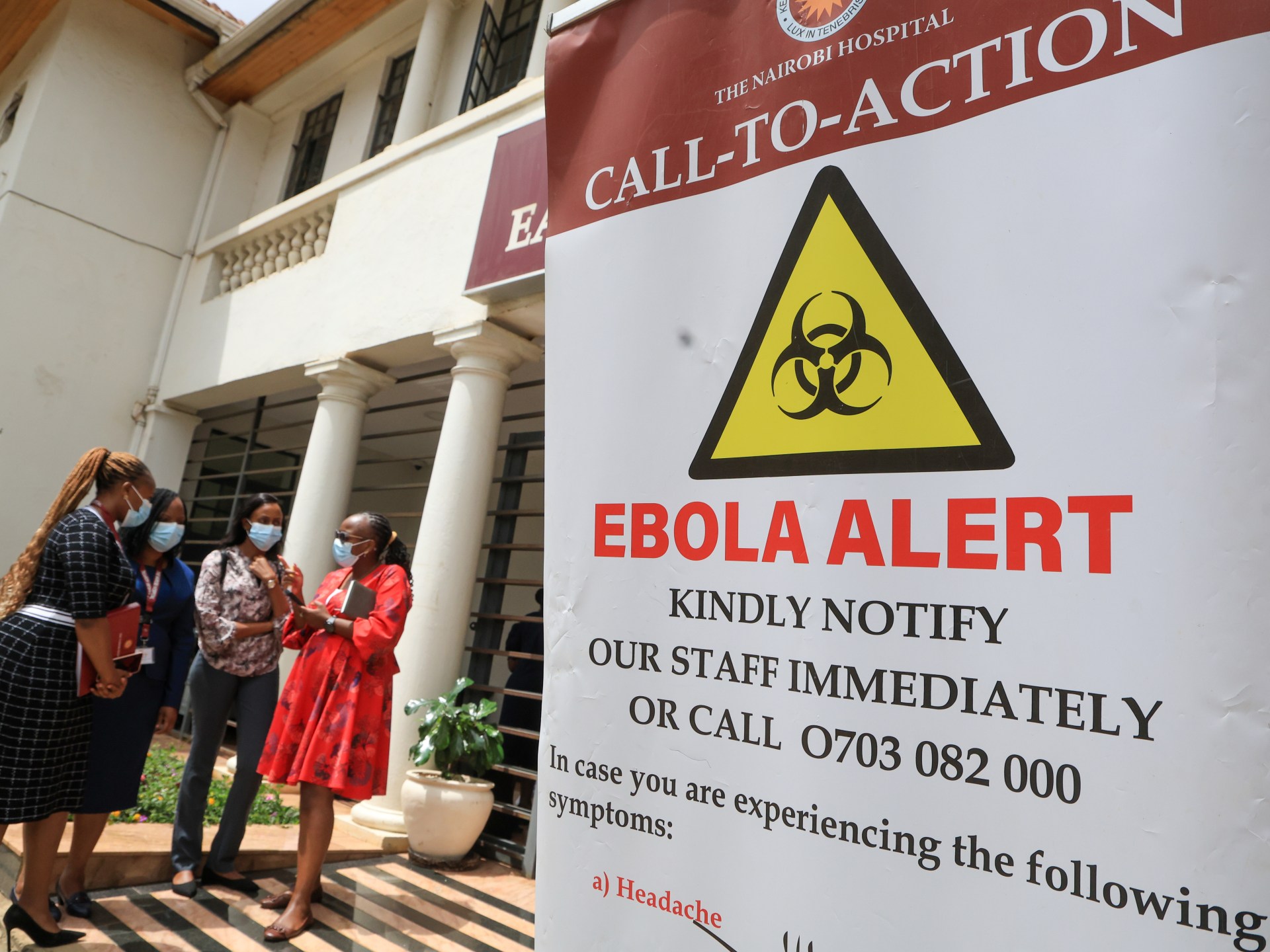
Geopolitical & Core Developments
Kenyan health authorities have confirmed the eighth case of Ebola within the country, affirming that the latest patient contracted the virus through direct exposure to the initial index case. The announcement underscores the growing vulnerability of East African transport corridors and regional commercial hubs to transboundary public health emergencies. The index case, who had recently entered Kenya, triggered a multi-agency contact-tracing operation that has now expanded across several counties.
State actors across the East African Community (EAC) have activated coordinated cross-border monitoring mechanisms. The regional response involves ministerial coordination between Nairobi, Kampala, and neighboring administrative capitals, aiming to contain localized transmission before the pathogen enters densely populated metropolitan zones. As security personnel and medical containment squads deploy along porous territorial borders, the geopolitical priority remains preventing health containment measures from morphing into unilateral border closures, which could destabilize intra-African diplomatic relations.
Global Trade & Economic Ripples
The confirmation of additional Ebola infections brings immediate operational headwinds to East Africa's economic backbone, particularly the Northern Corridor logistics network linking the Port of Mombasa to Uganda, Rwanda, and the eastern Democratic Republic of the Congo. Enhanced quarantine measures and compulsory biosecurity checks at key transit junctions threaten to increase freight turnaround times, imposing cost surcharges on cross-border trucking fleets and dry bulk cargo.
Agricultural exports, which form the primary foreign exchange engine for the region, face secondary logistical hurdles. Perishable goods, including fresh horticultural products, black tea, and specialty coffee consigned for European and Middle Eastern markets, depend on frictionless air freight operations out of Jomo Kenyatta International Airport (JKIA). While international aviation bodies have not enacted mandatory flight suspensions, air cargo operators are adopting stringent health protocols that could constrain freight throughput and increase regional supply chain premiums. In the foreign exchange markets, sustained containment costs could place transient downward pressure on the Kenyan shilling against the US dollar as fiscal resources pivot toward emergency health expenditures.
Related Intelligence: Middle East Tensions Mount as Iran Accuses Israel of Escalation Drive
International Reactions & Diplomatic Stances
The World Health Organization (WHO) and the Africa Centres for Disease Control and Prevention (Africa CDC) have deployed rapid intervention epidemiology teams to bolster Kenya’s laboratory diagnostic capacity and therapeutic stockpiles. WHO officials emphasized that early detection systems are functioning as intended, urging member states to avoid disproportionate travel and trade bans that could damage regional livelihoods without delivering epidemiological benefits.
Western diplomatic missions and international aid agencies have initiated technical assistance packages, channeling targeted grants to border health surveillance infrastructure. Multilateral financial institutions, including the World Bank, are closely monitoring the outbreak to determine whether contingency emergency response components within existing development facilities need activation. Market analysts point out that institutional investors are evaluating sovereign risk matrices, focusing on East Africa's fiscal resilience amid competing pressures from public debt servicing and emergency public health funding.
Strategic Outlook & Future Scenarios
The trajectory of the outbreak hinges on the efficacy of municipal contact tracing over the coming two to three weeks. In the base-case scenario, tight epidemiological containment and rapid isolation of secondary contacts will stabilize infection numbers, allowing trade flows to normalize without widespread disruptions to regional commerce.
Conversely, a downside scenario involving unchecked community spread in urban commercial centers could compel the Kenyan government to enforce localized movement restrictions. Such measures would depress domestic economic activity and disrupt regional cargo transit along the Mombasa-Nairobi corridor. The upcoming East African Community summits will inevitably center on establishing standardized health certification systems to preempt unilateral border blockades. The ultimate economic impact will depend on whether coordinated regional biosecurity measures can mitigate transmission while maintaining the integrity of regional logistics arteries.
Join Our Official WhatsApp Channel
Receive live commodity alerts, policy changes, and commercial intelligence directly on WhatsApp.