
Diplomatic Friction Strains Turkiye-Azerbaijan Ties Amid Regional Energy Shifts
Emerging diplomatic discord between Turkiye and Azerbaijan over domestic religious policies and regional diplomacy raises scrutiny across Eurasian trade networks and Pakistani energy import channels.
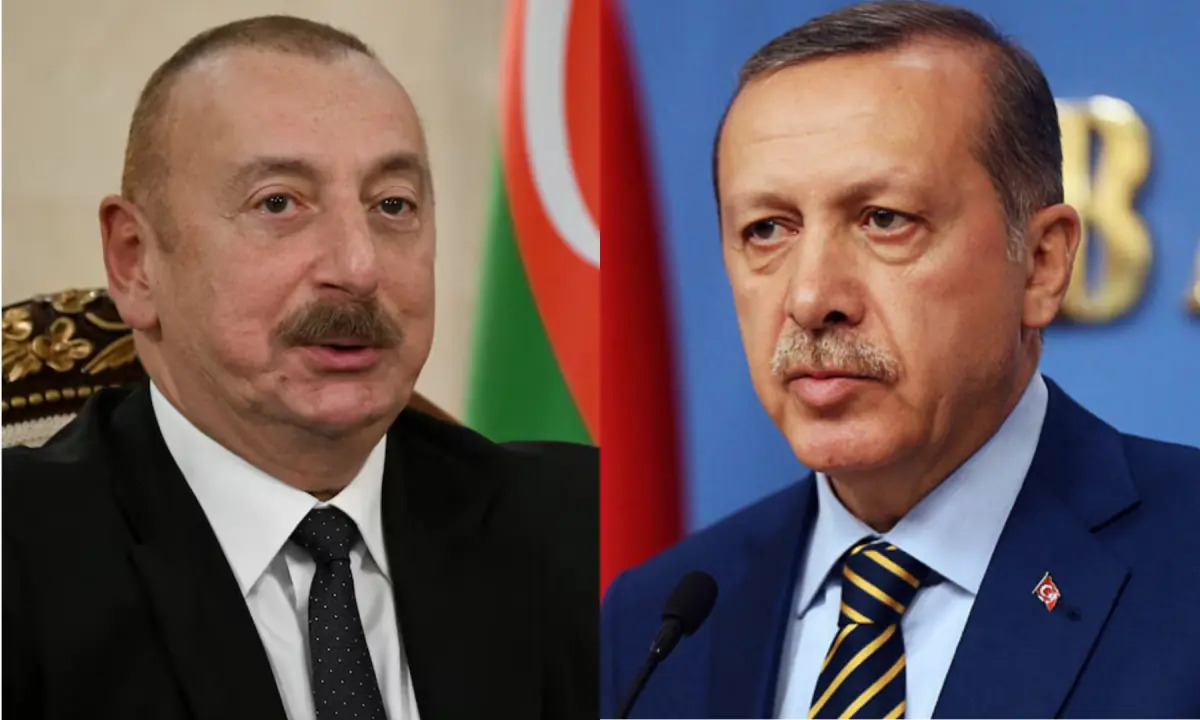
The Core Development
The historically resilient strategic partnership between Turkiye and Azerbaijan has entered a period of unprecedented diplomatic friction. The strain stems from Baku's enforcement of stringent restrictions on headscarves within academic institutions, alongside persistent divergence regarding diplomatic and trade policies toward Israel. Bound by deep cultural ties, common linguistic heritage, and the longstanding doctrine of 'One nation, two states,' both nations have historically coordinated their geopolitical and military positions. However, the ideological divergence between Ankara's conservative administration and Baku's staunchly secular governing apparatus has spilled into public discourse.
Tensions escalated after senior officials broke customary diplomatic protocol. Oktay Saral, chief adviser to Turkish President Recep Tayyip Erdogan, openly termed the Azerbaijani educational dress code measures 'unacceptable.' The public friction also underscores latent disagreements regarding Baku’s ongoing energy supply contracts with Israel via Turkish transit pipelines, despite Ankara’s escalating diplomatic severance and economic boycotts. While heads of state have historically compartmentalized ideological variances, the convergence of social policy disagreements and competing regional geopolitical alignments represents a significant test for the South Caucasus-Anatolia axis.
Commercial & Economic Implications
For Pakistan's commercial landscape, stability along the Ankara-Baku corridor is directly linked to regional connectivity frameworks, including trilateral trade initiatives and energy diversification. Over the past three years, Islamabad has actively pursued deepened trilateral engagement with both capitals to secure discounted liquefied natural gas (LNG) procurement, expand road and rail transit via the International North-South Transport Corridor, and negotiate preferential tariff structures.
Any sustained operational or policy discord between Ankara and Baku risks complicating multi-transit trade agreements and freight distribution corridors connecting South Asia with Central Asia and Europe. Pakistani wholesale traders and industrial importers rely on stable transit through these territories for specialized synthetic chemicals, petrochemical intermediates, and Central Asian agricultural commodities. Disruptions in coordination between Turkish and Azerbaijani transport regulators could introduce customs clearance bottlenecks, increase transit insurance premiums, and exacerbate landed import costs. For a Pakistani economy navigating domestic currency volatility and persistent inflation, extended supply chain friction in Western Asia threatens to increase consumer prices for imported finished goods.
Related Intelligence: Maldives President Muizzu Arrives in Pakistan for Bilateral Trade Talks
Stakeholder Perspectives & Market Reactions
Regional market analysts and cross-border trade bodies are urging institutional caution, noting that previous geopolitical disagreements between regional partners often translated into sudden transit inspections and regulatory friction. Energy sector strategists in Islamabad indicate that Azerbaijan’s State Oil Company (SOCAR), which maintains active framework agreements with Pakistan LNG Limited, depends on reliable pipeline infrastructure transiting Turkish territory, including the Baku-Tbilisi-Ceyhan route.
Diplomatic observers believe that the core economic machinery binding the two nations remains too lucrative to sever. Turkish business associations operating inside Azerbaijan have appealed for rapid bilateral dialogue, highlighting that bilateral trade turnover exceeds several billion dollars annually. Meanwhile, legal and foreign policy analysts emphasize that while Ankara's domestic audience expects strong rhetoric against secular dress codes abroad, the commercial reality of shared pipeline infrastructure and defense manufacturing agreements creates strong incentives to de-escalate.
Forward Outlook & Key Watchpoints
The trajectory of Ankara-Baku relations over the coming quarters depends on high-level executive communication to establish clear regulatory boundaries between domestic policy autonomy and shared foreign trade routes. Market participants will closely monitor upcoming bilateral ministerial summits, particularly regarding the status of trans-Anatolian natural gas volumes and transit tariffs.
For Pakistani policymakers and enterprise traders, watchpoints include scheduled trilateral business forums and the operational stability of joint logistics agreements. Should ideological disputes affect transport tariffs or pipeline transit stability, regional logistics costs will rise, compelling Pakistani traders to re-route consignments through alternative maritime corridors at higher freight rates.
Join Our Official WhatsApp Channel
Receive live commodity alerts, policy changes, and commercial intelligence directly on WhatsApp.