
Mass Funeral in Gaza Deepens Regional Tensions and Supply Chain Risks
The recovery and mass burial of 75 Palestinians in Gaza City have intensified global diplomatic scrutiny, reinforcing security premiums across regional energy and maritime transit corridors.
Geopolitical & Core Developments
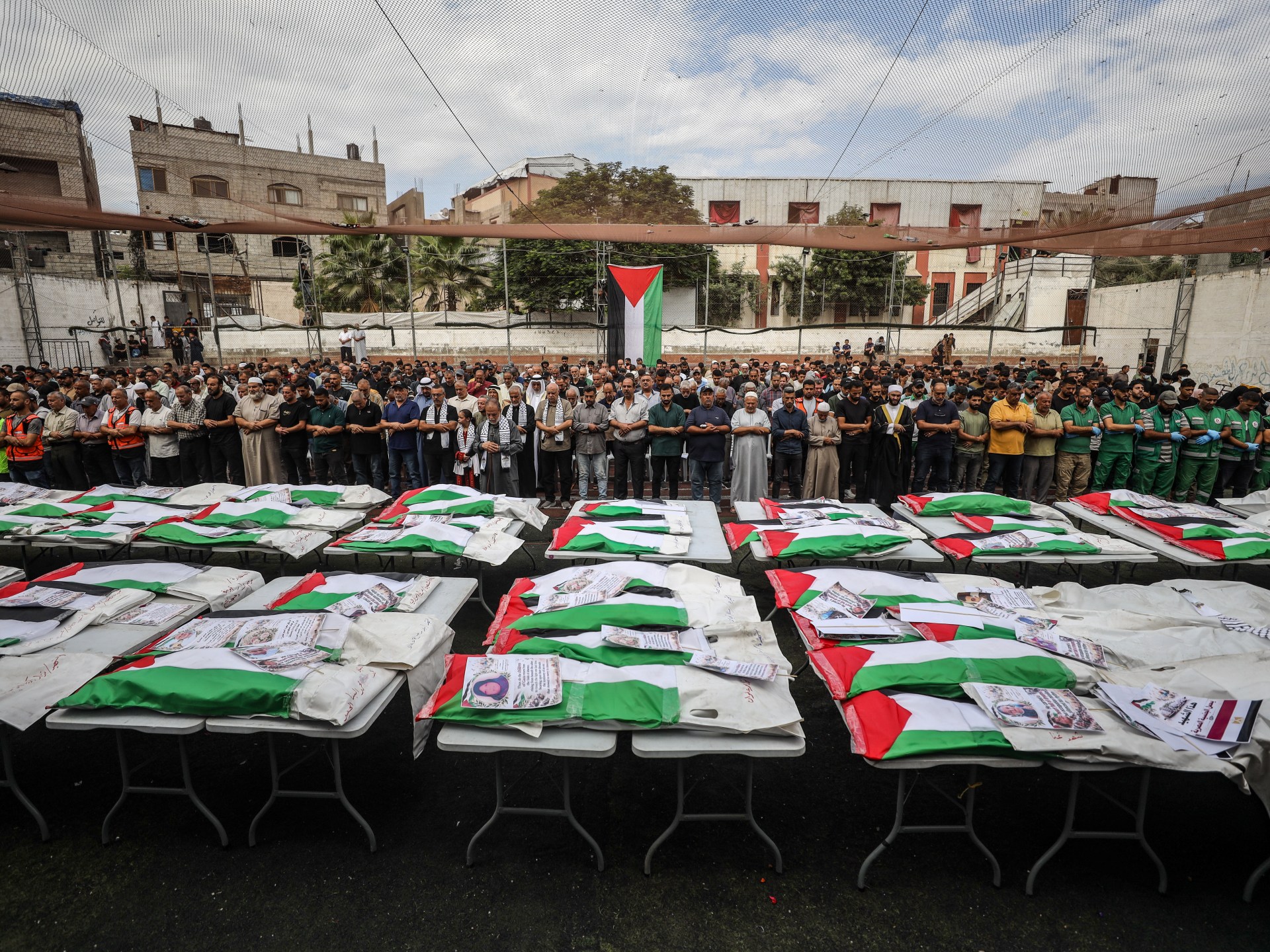
A mass funeral was held in the Gaza Strip following the recovery of the remains of 75 Palestinians from the debris of destroyed infrastructure, primarily concentrated in the Daraj neighbourhood of Gaza City. Local health authorities confirmed the identification and interment of the victims, whose bodies were extricated following localized pauses in heavy bombardment and specialized search efforts among collapsed residential zones. The incident marks another grim milestone in the ongoing conflict, illustrating the profound scale of structural destruction across northern Gaza.
The recovery operations underscore the acute humanitarian catastrophe confronting the enclave, where urban density and systemic destruction of municipal machinery severely impede civil defense operations. Diplomatic efforts spearheaded by regional mediators, including Qatar, Egypt, and the United States, continue to face substantial friction. The recurring emergence of mass casualty events complicates negotiations surrounding phased ceasefires, hostage exchanges, and the facilitation of humanitarian corridors, as non-state actors and state leadership encounter hardened public stances.
Global Trade & Economic Ripples
While localized to the Levantine theater, the prolonged hostility continues to exert structural friction on global trade and maritime transit. The persistent conflict serves as the primary catalyst for maritime interdiction campaigns in the Red Sea and the Bab al-Mandeb Strait, where commercial vessels continue to face threats from Yemen-based Houthi forces acting in declared solidarity with Gaza. Consequently, major container carriers and dry bulk operators remain diverted around the Cape of Good Hope, sustaining elevated voyage transit times and elevated bunker fuel consumption.
This extended rerouting has reinforced baseline shipping rates and elevated war-risk insurance premiums across Mediterranean and Indian Ocean routes. Furthermore, global energy markets remain sensitive to any potential escalation involving major hydrocarbon producers in the Persian Gulf. Although crude oil prices have absorbed baseline conflict premiums, structural vulnerabilities remain acute. Heightened regional instability poses ongoing downside risks to supply chains reliant on uninterrupted transit through critical regional trade choke points.
Related Intelligence: Maldives President Scheduled for Pakistan Visit to Deepen Trade and Security
International Reactions & Diplomatic Stances
The recovery of the victims has elicited renewed appeals from multilateral organizations and international leaders demanding an immediate cessation of hostilities and unhindered access for humanitarian aid. Officials from the United Nations Office for the Coordination of Humanitarian Affairs emphasized the urgent necessity of heavy excavation machinery and medical resources, noting that thousands more are presumed trapped beneath structural wreckage across northern Gaza.
Diplomatic representatives from several European capitals and the Global South have reiterated demands for adherence to international humanitarian law and the enforcement of provisional measures outlined by the International Court of Justice. Conversely, Israeli military officials maintain that operations remain focused on dismantling operational infrastructure utilized by militant groups, attributing civilian casualties to the militarization of dense urban sectors. The widening divergence in diplomatic postures continues to fracture consensus within the United Nations Security Council, where permanent members remain divided over enforcement mechanisms.
Strategic Outlook & Future Scenarios
The strategic trajectory of the conflict points toward prolonged instability, with post-conflict governance and physical reconstruction presenting monumental hurdles. Estimates for the reconstruction of basic infrastructure, housing, and utilities in Gaza now exceed tens of billions of dollars, requiring comprehensive multinational financing frameworks that remain contingent on political settlement.
In the near term, regional security dynamics will hinge on whether diplomatic channels can negotiate a sustained ceasefire capable of mitigating multi-front escalation. Should hostilities persist unabated, commercial maritime diversions around Africa are likely to remain institutionalized through the remainder of the fiscal year, keeping logistics costs elevated for Eurasian trade. Additionally, diplomatic isolation risks for direct combatants will heighten, potentially accelerating unilateral trade measures or international legal proceedings in global tribunals.
Join Our Official WhatsApp Channel
Receive live commodity alerts, policy changes, and commercial intelligence directly on WhatsApp.