
Austrian Airlines Diverts to Sofia Following Bomb Threat on Tel Aviv Flight
An Austrian Airlines passenger flight originating from Tel Aviv made an unscheduled emergency landing in Sofia after receiving a bomb threat, highlighting heightened commercial aviation vulnerabilities across European transit corridors.
Geopolitical & Core Developments
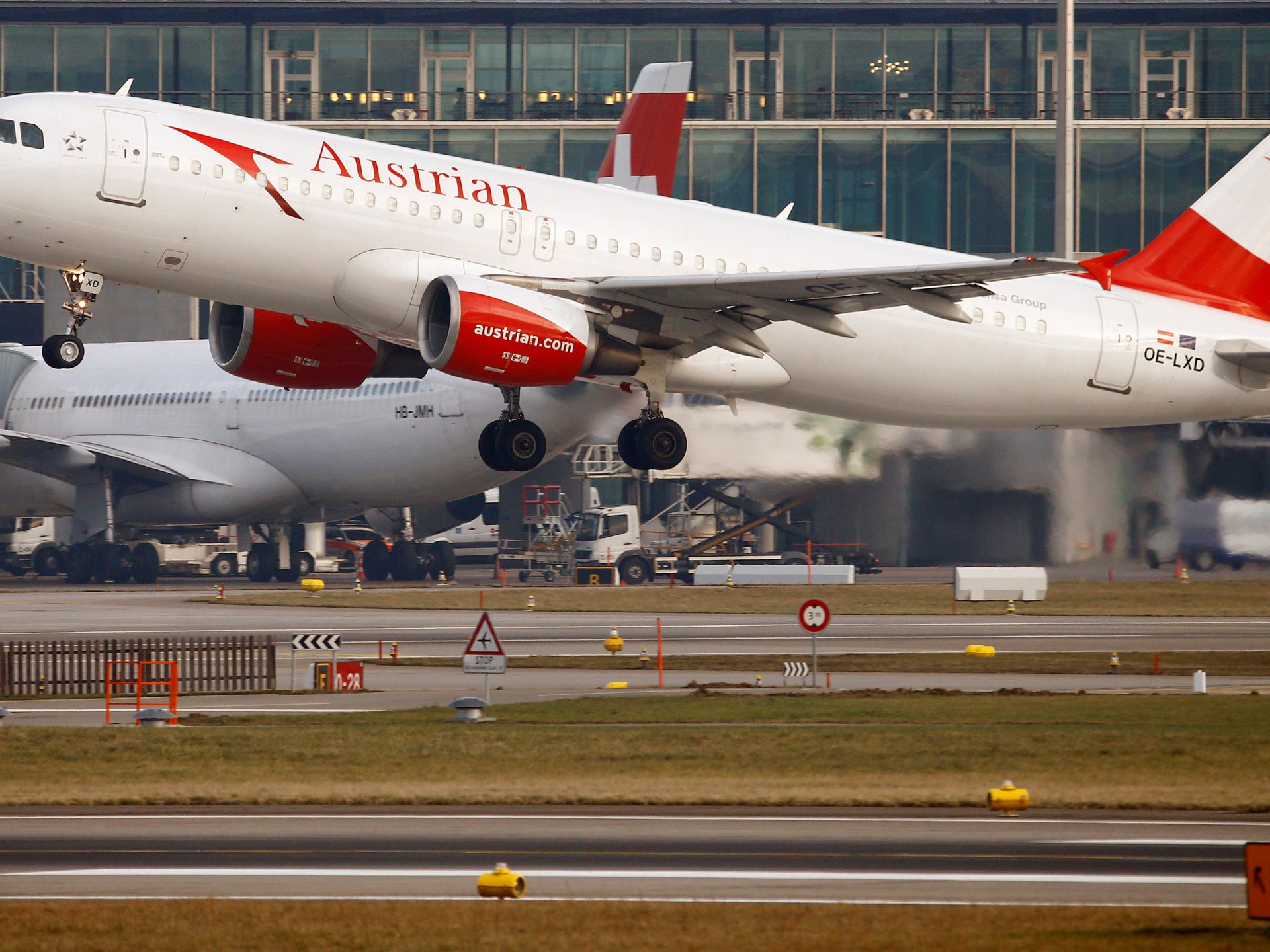
Commercial aviation security across the broader Mediterranean and Eastern European airspace faced renewed operational pressure following an emergency diversion of Austrian Airlines flight OS82. The scheduled passenger service, originating from Ben Gurion International Airport in Tel Aviv and destined for Vienna International Airport, executed an unscheduled diversion to Sofia Airport in Bulgaria after crew members received an active bomb threat mid-flight.
Bulgarian civil aviation authorities confirmed that flight crew initiated emergency protocols over Bulgarian airspace, landing safely on an isolated apron at Sofia Airport. Specialized security units, including Bulgarian counter-terrorism teams, airport border police, and explosives disposal personnel, immediately established an exclusion cordon around the aircraft. All passengers and crew members were evacuated without physical injury, followed by comprehensive cargo offloading and forensic sweeps. Subsequent inspections verified the absence of hazardous materials or explosive devices, classing the incident as a malicious false threat.
The diversion occurs amid intense regional volatility across the Middle East, where commercial civil aviation assets routinely navigate compressed routing corridors, GPS spoofing risks, and asymmetric security vulnerabilities. State actors and civil aviation oversight bodies have maintained elevated alert levels since late 2023, rendering commercial carriers operating in and out of Tel Aviv exceptionally vigilant to asymmetric security disruptions.
Global Trade & Economic Ripples
While the Sofia incident did not result in structural damage or loss of life, the operational friction highlights growing systemic costs for international trade, logistics, and aviation finance. Commercial airlines navigating Eastern Europe and the Eastern Mediterranean face mounting logistical overheads, including escalated war-risk insurance premiums, elongated holding patterns, and costly contingency diversions.
Flight diversions of this nature impose direct fiscal burdens on international carriers through unplanned landing fees, fuel dumping costs, passenger accommodation overhead, and network scheduling disruptions. Beyond passenger travel, commercial belly-cargo transit—a vital channel for high-value components, pharmaceuticals, and specialized electronics connecting Israeli manufacturing hubs to European supply chains—remains vulnerable to recurring schedule volatility. Continued uncertainty within these airspace corridors risks driving cargo forwarders toward maritime and overland alternatives, compounding existing logistical bottlenecks across European transport nodes.
Related Intelligence: Middle East Tensions Mount as Iran Accuses Israel of Escalation Drive
International Reactions & Diplomatic Stances
Official channels across European capitals responded with calibrated operational vigilance. The Bulgarian Ministry of Interior stated that domestic security protocols functioned smoothly, verifying that the evacuation and search were conducted in strict accordance with International Civil Aviation Organization (ICAO) safety standards. Austrian Airlines issued an official acknowledgment confirming the diversion, noting that passenger welfare and operational safety remained the decisive factors in the crew's emergency landing decision.
Aviation security analysts and multilateral bodies observed that while hoax threats targeting commercial aviation occur globally, the geopolitical sensitivity surrounding Israel-linked transit corridors amplifies the institutional disruption caused by such incidents. European security agencies continue to monitor intelligence streams for coordinated disinformation campaigns aimed at disrupting civil transport networks across the continent.
Strategic Outlook & Future Scenarios
Moving forward, commercial aviation operators will likely maintain rigid, zero-tolerance threat assessment protocols for flights traversing Southern and Eastern European airspace. Insurers and aviation risk underwriters are anticipated to reassess geopolitical premium matrices if false-alarm frequency increases, potentially driving structural ticket price increases across European-Levant routes.
In the medium term, civil aviation directorates are expected to deepen cross-border intelligence-sharing frameworks to rapidly verify and neutralize hoax threats before executing disruptive diversions. However, given prevailing regional instability, airlines will remain acutely reactive to unverified security alerts, underscoring the structural fragility of trans-continental air transport networks under elevated geopolitical friction.
Join Our Official WhatsApp Channel
Receive live commodity alerts, policy changes, and commercial intelligence directly on WhatsApp.