
Tunisia Reforms False News Penalties Amid Persistent Press Freedom Concerns
Tunisia has replaced jail terms with fines for first-time false news offenses, though rights groups warn the decree remains fundamentally repressive.
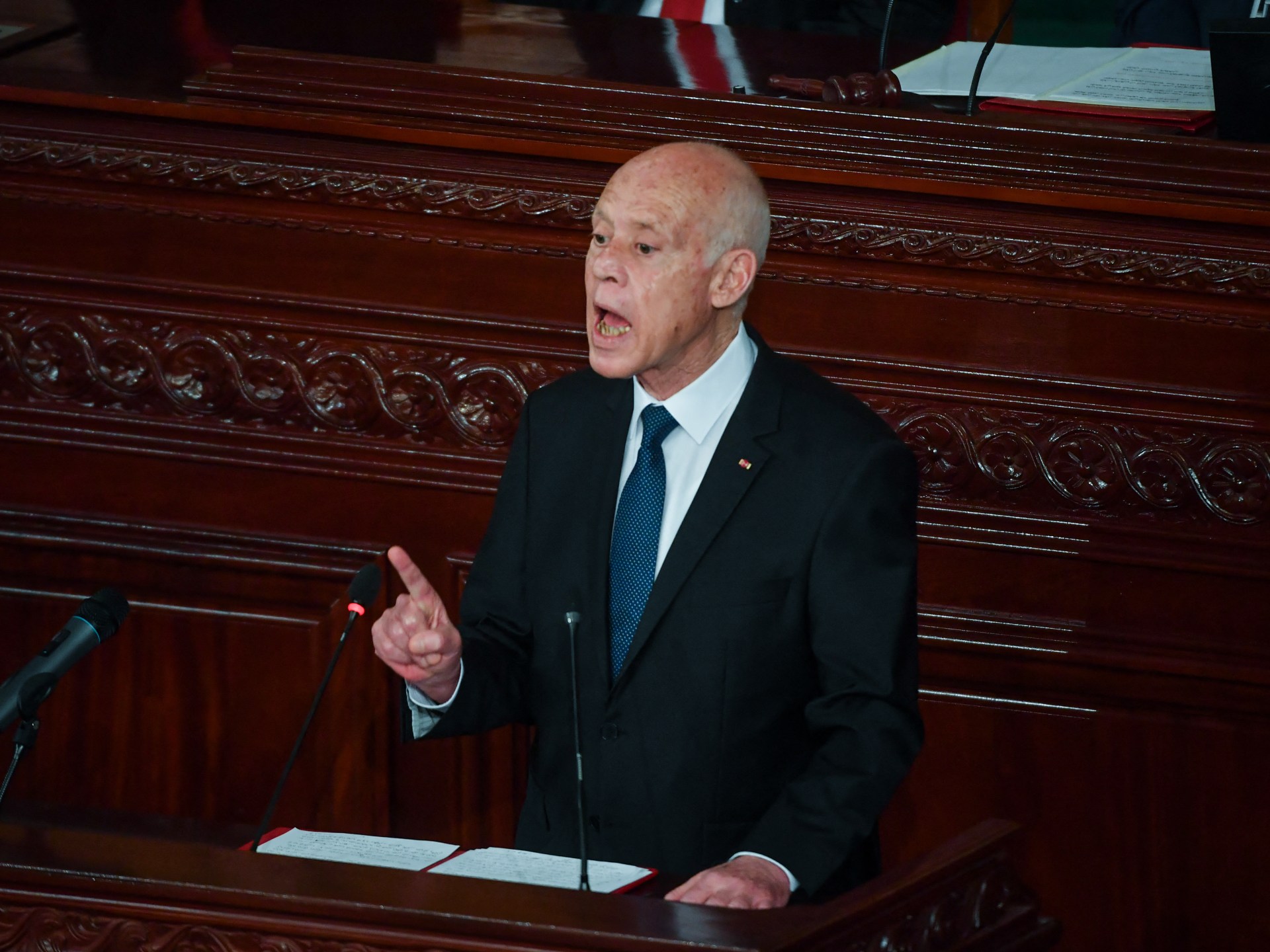
Geopolitical & Core Developments
Tunisia has introduced a significant legislative modification regarding the prosecution of online speech, substituting prison sentences with financial penalties for first-time offenders convicted of spreading false news. The adjustment centers on Decree 54, a controversial legal instrument initially enacted to combat cybercrime and misinformation, which has increasingly become a focal point for domestic and international criticism. Under the revised framework, individuals facing initial accusations of disseminating unverified information will encounter monetary fines rather than immediate incarceration. However, state prosecutors retain sweeping discretionary powers to interpret what constitutes misinformation, preserving the state's overarching capacity to regulate public discourse.
The timing of this regulatory tweak coincides with heightened domestic political consolidation and intensive diplomatic engagement with international financial institutions. State actors in Tunis have navigated a complex web of economic pressures and sovereignty concerns, attempting to balance domestic security narratives with the demands of foreign partners. While the substitution of custodial sentences with fines is framed by officials as a progressive step toward judicial modernization, critics point out that the underlying architecture of state control remains entirely intact. The timeline of Decree 54's enforcement highlights a systematic narrowing of civic space, where journalists, political dissidents, and online commentators continue to operate under severe legal jeopardy.
Global Trade & Economic Ripples
For international commerce and foreign investors, the stability and predictability of legal frameworks in North Africa represent critical barometers for risk assessment. Tunisia's ongoing political shifts and regulatory volatility directly impact foreign direct investment (FDI) inflows, particularly in sectors reliant on legal certainty, such as telecommunications, renewable energy infrastructure, and manufacturing outsourcing. Global commodity markets and trade financiers monitor the North African corridor closely, as regulatory shifts in Tunisia ripple across broader Euro-Mediterranean supply chains and agricultural trade routes.
The persistence of restrictive media laws introduces intangible operational risks for multinational corporations operating within the country or utilizing Tunisian ports as logistics hubs. When domestic legal institutions lack transparency or exhibit susceptibility to political interference, international commercial counterparties price in elevated risk premiums. Consequently, the ambiguous nature of Decree 54—even with modified sentencing guidelines—contributes to a cautious corporate stance among European and Gulf investors evaluating long-term capital deployment in the Tunisian market.
Related Intelligence: Washington Sudan Diplomacy Stalls Amid Isolation and Escalating Crisis
International Reactions & Diplomatic Stances
The international community, including United Nations human rights agencies, Western diplomatic missions, and global press freedom watchdogs, has offered a guarded response to the legislative change. While multilateral bodies acknowledge that eliminating custodial sentences for minor infractions represents a nominal decrease in state-imposed punitive measures, they emphasize that the reform falls short of international human rights standards. Statements from global journalism defense organizations stress that financial penalties can still be leveraged to bankrupt independent media outlets and silence critical investigative reporting.
Bilateral partners, particularly European Union member states that provide substantial financial assistance and development aid to Tunis, find themselves navigating a delicate diplomatic balance. European capitals must reconcile commitments to democratic governance and freedom of expression with strategic imperatives related to migration management and regional security in the Mediterranean. Market analysts suggest that while the minor softening of Decree 54 may temporarily appease international donors looking for superficial signs of reform, it is unlikely to unlock major new streams of institutional economic support until more comprehensive legal guarantees are established.
Strategic Outlook & Future Scenarios
Looking ahead, the trajectory of Tunisia's information governance will depend heavily on domestic political consolidation and upcoming electoral cycles. If the state continues to utilize Decree 54 to target opposition figures and independent journalists, the country risks deeper international isolation and constrained access to vital multilateral credit facilities. Conversely, a genuine relaxation of state controls over digital media could help restore investor confidence and improve diplomatic relations with Western democracies.
Upcoming diplomatic summits between North African states and European Union representatives will likely feature intense discussions regarding governance standards, human rights conditionality, and economic cooperation frameworks. Sanctions or punitive diplomatic measures remain an unlikely immediate outcome, but quiet economic leverage will continue to be applied by international lenders. Ultimately, the future of Tunisia's regulatory environment hinges on whether leadership perceives long-term stability through absolute domestic control or through open, integrated engagement with the global economic and political order.
Join Our Official WhatsApp Channel
Receive live commodity alerts, policy changes, and commercial intelligence directly on WhatsApp.