
Trump Demands Emergency Diesel Releases, Straining Transatlantic Alliances
European leaders are deliberating how to respond to US demands for the release of emergency diesel stocks, risking a deep transatlantic rift over energy security.
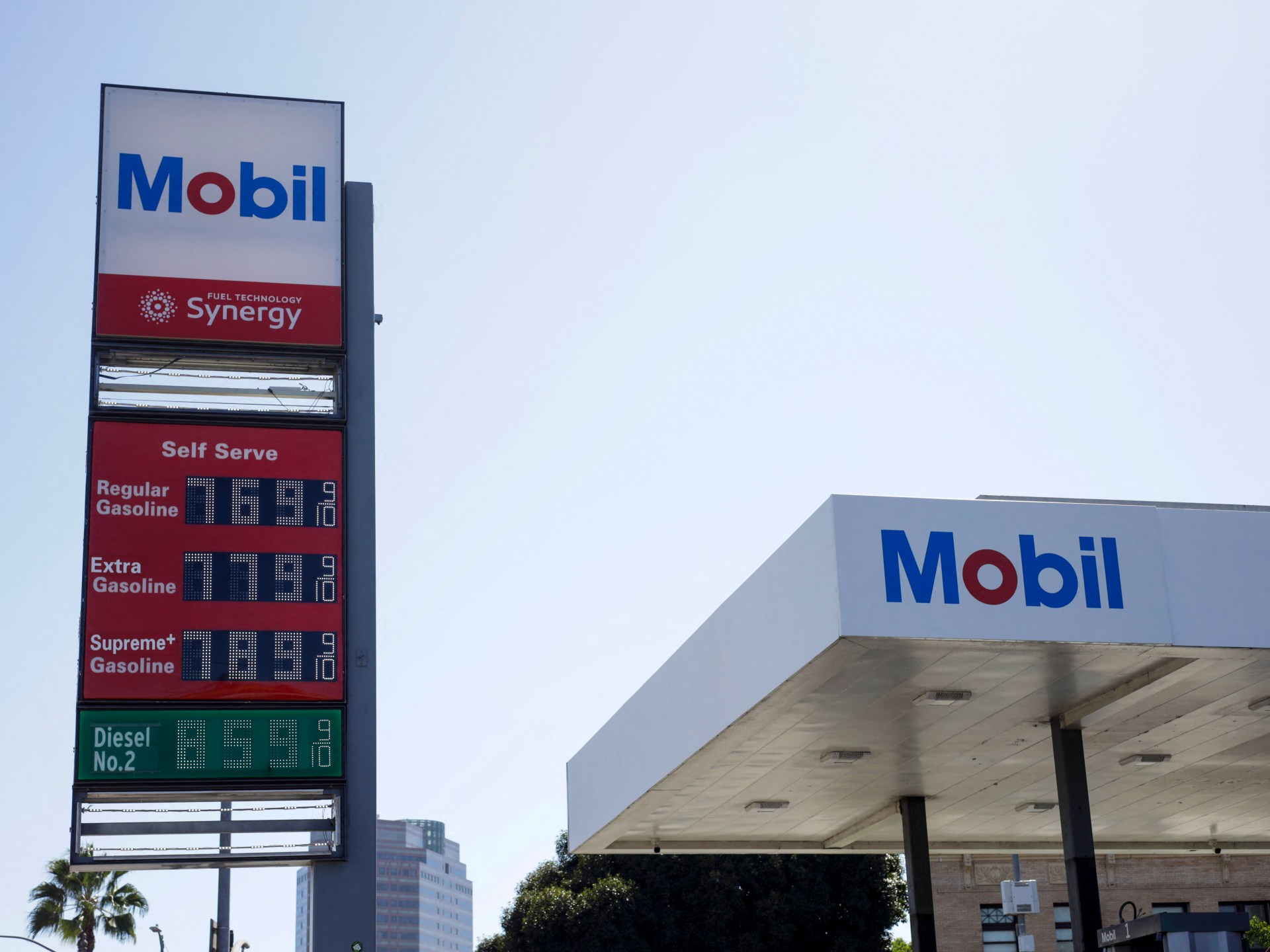
Geopolitical & Core Developments
The return of hardline economic nationalism to Washington has ignited a fresh diplomatic showdown across the Atlantic, centered on the strategic control of refined petroleum products. The United States administration has formally pressed European Union leadership and key member states to authorize the release of emergency diesel stocks from national reserves. Washington frames the extraordinary request as a vital measure to buffer domestic supply constraints, curb runaway pump prices, and safeguard broader Western economic stability ahead of the winter heating season. However, European capitals view the demand through a radically different strategic lens. For Brussels and major European energy ministries, strategic petroleum and diesel reserves are sacred sovereign buffers designed exclusively for severe supply shocks, domestic crises, or wartime contingencies. Complying with Washington's directive risks depleting these critical safety nets at a time when regional energy infrastructure remains uniquely vulnerable. The diplomatic friction highlights a growing philosophical divergence between American domestic priorities and European long-term energy security doctrines, transforming a routine commodity management issue into a major test of alliance cohesion.
Global Trade & Economic Ripples
Global middle-distillate markets have reacted nervously to the unfolding transatlantic standoff, driving immediate volatility across international commodity exchanges. Diesel serves as the absolute lifeblood of global commerce, powering heavy freight, maritime shipping, agricultural machinery, and industrial manufacturing. Any coordinated or unilateral drawdown of European emergency reserves would artificially depress prompt prices in the short term, but it would simultaneously leave the broader Eurozone dangerously exposed to subsequent supply disruptions. Shipping lanes originating from Middle Eastern and Asian refiners are already experiencing rerouting pressures and higher insurance premiums, complicating the flow of replacement barrels. Furthermore, foreign exchange markets have registered subtle tremors, with the euro fluctuating against the greenback as currency traders reprice the geopolitical risk premium embedded in European energy imports. Commodity analysts warn that if Europe accedes to American demands, global refiners may reallocate export cargoes away from traditional European hubs toward more lucrative destination markets, thereby exacerbating structural regional shortages and accelerating inflationary pressures worldwide.
Related Intelligence: Judicial Overhaul Threatens Pakistan Economic Stability and Rights
International Reactions & Diplomatic Stances
Official responses from European capitals have ranged from cautious obfuscation to outright skepticism. Energy ministers from Germany, France, and Italy held emergency consultations in Brussels to forge a unified stance, emphasizing that emergency reserves must remain under the strict control of national authorities rather than being leveraged for bilateral political expediency. Meanwhile, spokespersons for the European Commission reiterated that while transatlantic solidarity remains a cornerstone of Western foreign policy, the bloc's primary obligation is to guarantee uninterrupted energy supplies for its own citizens and industries. Market analysts and multilateral observers have noted the uncomfortable parallels between this dispute and past energy crises, pointing out that pressuring allies to surrender strategic inventories sets a precarious precedent. Independent energy economists suggest that Washington's aggressive posture may ultimately backfire, accelerating Europe's ongoing push to decouple its critical supply chains from external geopolitical dependencies and fortify regional self-reliance.
Strategic Outlook & Future Scenarios
As bilateral negotiations continue behind closed doors, the trajectory of the dispute remains highly uncertain, with several critical escalation points on the horizon. Upcoming ministerial summits between US and EU trade and energy delegations will serve as the primary arena for resolving or intensifying the standoff. If Brussels formally rejects the White House demand, Washington could resort to secondary trade measures or subtle retaliatory tariffs on specific European industrial goods, deepening the trans-oceanic economic chill. Conversely, if European leaders capitulate under intense diplomatic pressure, they risk severe domestic political fallout and a dangerous erosion of their strategic energy autonomy. Long-term, this crisis serves as a stark catalyst for global energy markets, signaling that the traditional consensus governing strategic reserves is fracturing under the weight of resurgent great-power politics and intensifying resource competition.
Join Our Official WhatsApp Channel
Receive live commodity alerts, policy changes, and commercial intelligence directly on WhatsApp.