
Pakistan Capital Lockdowns Threaten Trade Corridors and Investor Confidence
Severe security lockdowns in Islamabad paralyze transport networks, imposing heavy financial losses on logistics operators and undermining investor confidence in Pakistan's economic stability.
Geopolitical & Core Developments
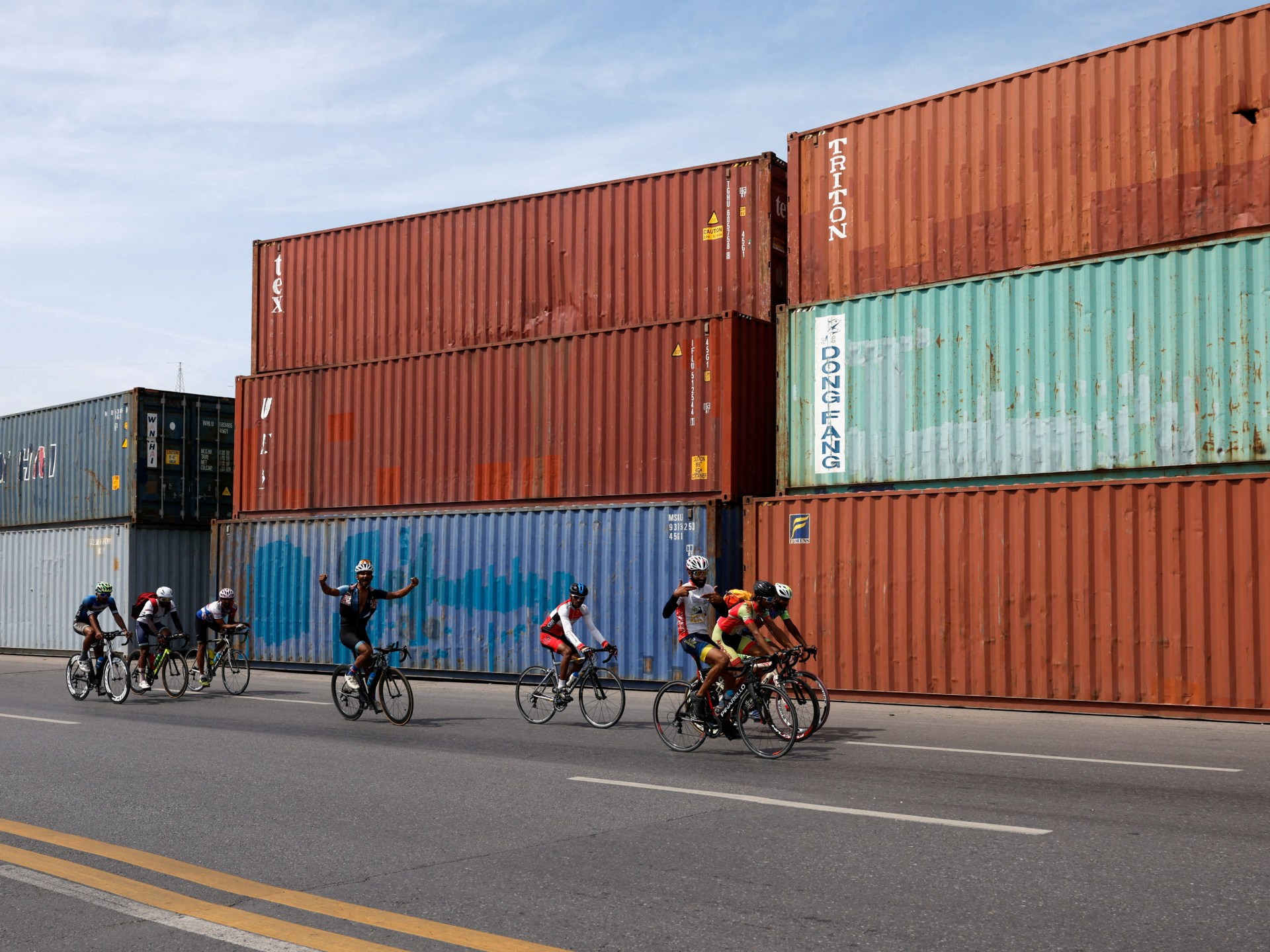
Islamabad has increasingly resembled a fortified garrison rather than a functioning administrative capital, as authorities deploy thousands of shipping containers to seal off key thoroughfares against opposition marches. This strategy of preemptive paralysis, colloquially termed 'Containerabad,' has become a recurring instrument of statecraft for Pakistani administrations seeking to contain civil unrest. However, the domestic political containment strategy carries severe governance and economic externalities. The immobilization of heavy transport infrastructure disrupts the movement of goods between major economic hubs, fracturing internal supply chains and straining executive-legislative relations.
State actors and provincial administrations find themselves caught in a high-stakes standoff between maintaining public order and preserving commercial continuity. As political polarization deepens, the reliance on physical blockades signals profound fragility in state management. Diplomatic missions and foreign investors monitor these recurring lockdowns with mounting unease, viewing the paralysis of the capital as a symptom of chronic institutional instability that routinely supersedes long-term economic planning.
Global Trade & Economic Ripples
While the barricades are deployed for domestic political containment, the economic shockwaves reverberate across regional and international trade corridors. Islamabad serves as a vital artery connecting northern production centers with southern maritime ports, particularly Karachi and Port Qasim. When transport fleets are stalled by security cordons, the velocity of capital and inventory slows dramatically, triggering cascading delays throughout the broader South Asian logistics network.
Commercial freight operators, independent truckers, and manufacturing enterprises absorb debilitating daily financial losses. Idle fleets consume capital without generating revenue, exacerbating cash flow crises for small and medium-sized enterprises already grappling with high inflation, elevated interest rates, and currency devaluation. Furthermore, uncertainty surrounding inland transit reliability deters foreign buyers from securing long-term export contracts with Pakistani suppliers, directly impacting national foreign exchange reserves and dampening industrial output.
Related Intelligence: Indian Electoral Protests Trigger Market Caution and Political Volatility
International Reactions & Diplomatic Stances
International financial institutions and bilateral trade partners have voiced private concerns regarding the recurrent paralysis of Pakistan's commercial arteries. While multilateral lenders such as the International Monetary Fund focus primarily on structural fiscal reforms and sovereign debt metrics, trade attachés emphasize that regulatory predictability and logistical freedom are indispensable for sustainable economic recovery.
Global market analysts note that sovereign risk premiums for Pakistan remain exceptionally high, driven in part by unpredictable domestic governance interventions. Chambers of commerce and international shipping associations have repeatedly urged federal authorities to balance national security imperatives with the unhindered flow of commerce, warning that protracted domestic disruptions risk permanently alienating foreign investors seeking stable frontier-market destinations.
Strategic Outlook & Future Scenarios
Looking ahead, the trajectory of Pakistan's political landscape suggests that preemptive urban blockades will remain a primary tactic for managing political opposition. Unless structural dialogues replace reactionary security measures, the commercial sector will continue to bear the brunt of political volatility. Upcoming electoral cycles and potential constitutional disputes point toward a protracted period of friction between state authorities and opposition movements.
For international markets and regional trade partners, the ongoing instability underscores the necessity of diversifying supply chains away from politically volatile transit hubs. Without comprehensive institutional reforms aimed at depoliticizing public infrastructure and safeguarding commercial corridors, Pakistan's ambitions for export-led growth and regional economic integration will remain severely constrained by the recurring reality of Containerabad.
Join Our Official WhatsApp Channel
Receive live commodity alerts, policy changes, and commercial intelligence directly on WhatsApp.