
Pakistan Exits ASEAN Cup Following Hard-Fought Defeat Against Vietnam
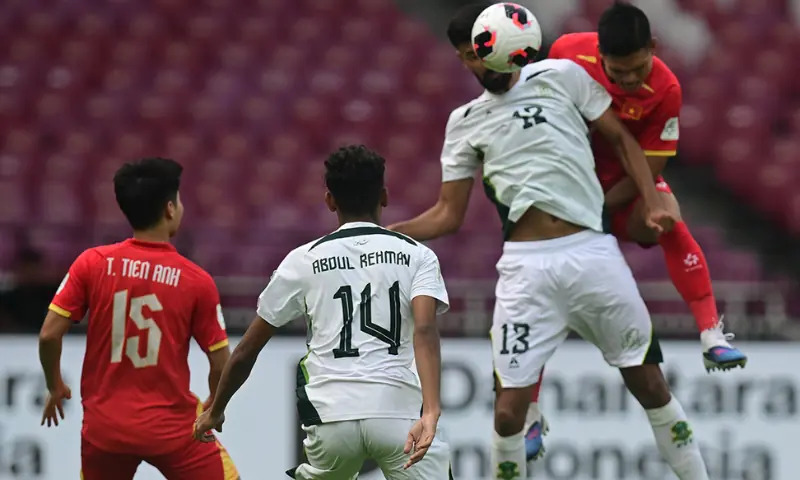
Pakistan concluded their FIFA ASEAN Cup campaign with a resilient 4-2 defeat against Vietnam in Jakarta, highlighting both competitive flashes and structural shortcomings.
The Core Development
Pakistan officially concluded their campaign at the FIFA ASEAN Cup following a resilient yet ultimately unsuccessful 4-2 defeat against Vietnam at the Gelora Bung Karno Stadium in Jakarta on Friday. Led by head coach Nolberto Solano, the national side entered the fixture facing a steep statistical disadvantage, positioned 99 places below the formidable Vietnamese squad in the official FIFA global rankings. Despite the glaring gap in international standing, Pakistan demonstrated tactical discipline and offensive ambition during the opening exchanges of the match.
The breakthrough arrived in the first half when midfielder Mohibullah capitalized on an opportunity with a superb strike, putting the underdog side ahead and stunning the opposition supporters. However, the structural depth and sustained pressure of the Vietnamese side gradually dismantled Pakistan's defensive block. As the match progressed into the second half, Vietnam launched a relentless offensive onslaught. Goals from Long Hai Nguyen, Duc Hoang Nguyen, and Bac Dinh Nguyen shifted the momentum entirely, overturning the deficit and securing a 4-2 victory. Despite the elimination, the fixture served as a critical benchmark for Solano's squad, exposing both their capacity for competitive flashes and the vast physical and tactical gulf that remains between Pakistan and top-tier regional competitors.
Commercial & Economic Implications
While international sporting fixtures primarily reflect athletic performance, appearances in major regional tournaments carry tangible economic and commercial implications for national sports federations and related domestic industries. Participation in high-profile competitions such as the ASEAN Cup directly influences sports tourism, broadcast rights valuation, and corporate sponsorship portfolios within Pakistan's emerging sports economy. A competitive showing on the international stage enhances the commercial viability of domestic football leagues, attracting vital private sector investment, merchandising revenue, and brand partnerships.
Conversely, persistent underperformance at the international level can constrain the commercial expansion of Pakistan's sports retail and manufacturing sectors. Pakistan remains a premier global hub for sports goods manufacturing, notably producing high-quality footballs for international tournaments. However, the domestic retail market for football apparel, equipment, and fan merchandise experiences sluggish growth when national teams fail to sustain long-term tournament campaigns. Strengthening national team competitiveness is therefore vital for stimulating domestic consumer demand, driving retail turnover in sporting goods, and boosting export-linked industrial sectors.
Related Intelligence: Manchester City Lodges Formal Appeal in Landmark Financial Breach Case
Stakeholder Perspectives & Market Reactions
Reactions from sports administrators, fan communities, and domestic observers following the tournament exit have focused heavily on the need for systemic institutional reform within the Pakistan Football Federation (PFF). Official statements from team management emphasized the undeniable fighting spirit demonstrated by the players, particularly given the severe disparity in FIFA rankings and the limited domestic infrastructure available for professional development. Analysts and former players noted that while Nolberto Solano has instilled a more disciplined tactical framework, sustainable success requires robust grassroots investment and uninterrupted domestic leagues.
Consumer and public response across digital platforms, including official PFF updates shared on social networks, reflected a mixture of pride in Mohibullah's opening goal and frustration regarding defensive frailties in the second half. Stakeholders from the corporate sponsorship sector have reiterated that continuous participation in international windows is essential, but it must be paired with transparent governance and professional training regimes to yield commercially attractive results for potential investors.
Forward Outlook & Key Watchpoints
As the ASEAN Cup campaign concludes, the immediate focus for Pakistan football shifts toward future international windows, talent identification pipelines, and the restructuring of domestic competitions. Sports authorities face mounting pressure to establish a clear, long-term strategic roadmap that addresses the structural deficiencies exposed during matches against higher-ranked opponents like Vietnam. Key watchpoints for the coming months include the appointment decisions surrounding coaching staff, the scheduling of upcoming international friendlies, and the implementation of youth development programs designed to narrow the competitive gap in international football.
Join Our Official WhatsApp Channel
Receive live commodity alerts, policy changes, and commercial intelligence directly on WhatsApp.