
Xi Sets Red Lines on AI and Taiwan in High-Stakes Washington Summit
Chinese President Xi Jinping drew firm geopolitical red lines during a lavish White House summit with US President Donald Trump, addressing critical flashpoints including artificial intelligence and Taiwan.
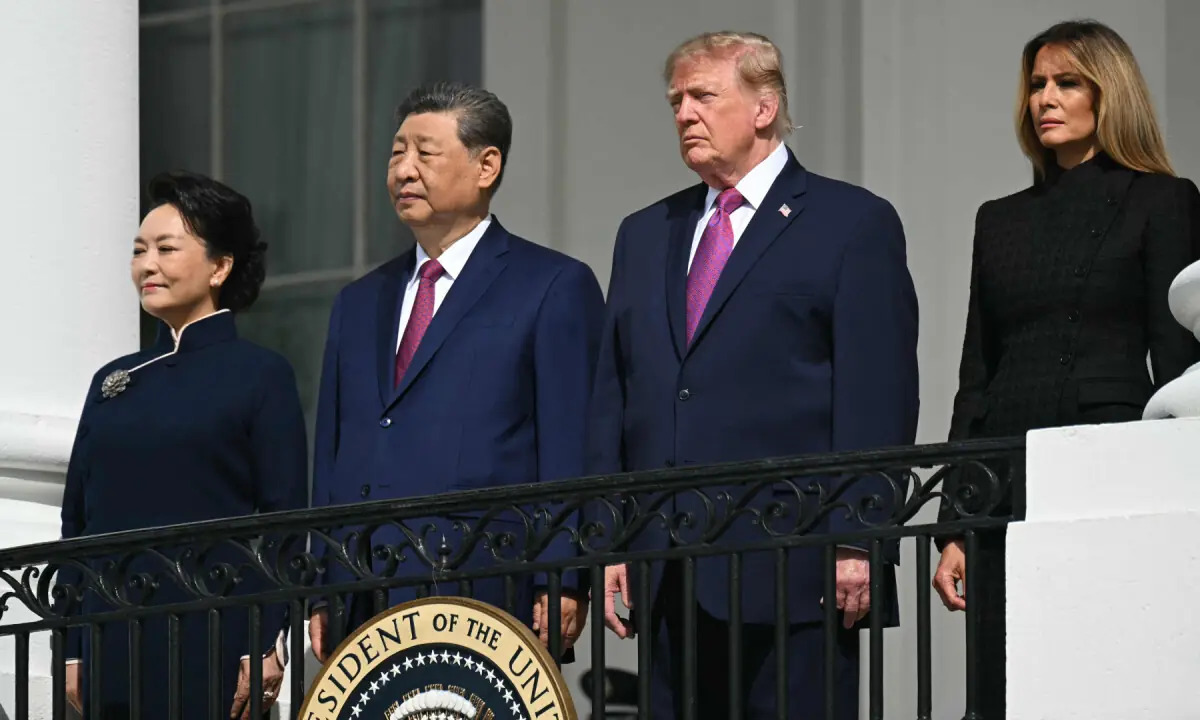
The Core Development
Chinese President Xi Jinping used a high-profile state visit to Washington to establish firm geopolitical and technological red lines with US President Donald Trump. While the White House rolled out sweeping pomp and circumstance—including a symbolic tour inside Marine One—the underlying discussions centered on managing the friction between the world's two largest economies. President Xi emphasized that Beijing and Washington must peacefully manage their rivalry, asserting that the two superpowers must ensure there is "no conflict and no confrontation between us."
Beyond the diplomatic pageantry, the talks laid bare stark divergences on critical policy fronts. Most notably, President Xi issued a stern warning regarding the advancement of artificial intelligence, insisting that autonomous systems must remain "always under human control." This position contrasts sharply with the approach of President Trump, who has frequently downplayed systemic existential warnings regarding unregulated AI development. Furthermore, discussions addressed sensitive regional flashpoints, including the ongoing war on Iran and the sovereignty of Taiwan, where Beijing's baseline expectations were formally communicated.
Commercial & Economic Implications
For emerging economies and regional trading partners such as Pakistan, the hardening of red lines between Washington and Beijing carries profound macroeconomic repercussions. As the world's leading economic heavyweights negotiate terms on advanced technologies, supply chain security, and international trade routes, wholesale markets and import-dependent nations face heightened volatility. Fluctuations in global tech governance, particularly concerning semiconductor production and AI regulation, directly influence industrial input costs, software licensing, and digital infrastructure investments across South Asia.
Furthermore, broader geopolitical friction between the US and China exerts pressure on global commodity pricing, foreign exchange reserves, and international shipping lanes. Wholesale distribution networks in Pakistan that rely heavily on imported machinery, electronics, and raw materials must navigate a complex landscape of shifting tariffs and trade compliance standards. Any prolonged strategic misalignment between Washington and Beijing risks disrupting global supply chains, ultimately feeding into domestic inflationary pressures and altering retail pricing structures for consumer goods.
Related Intelligence: Ethiopian Conflict Escalation Threatens Horn of Africa Stability and Trade
Stakeholder Perspectives & Market Reactions
Global financial markets and international trade associations have responded to the Washington summit with cautious vigilance. While corporate leaders welcomed the symbolic display of diplomatic engagement as a buffer against total economic decoupling, industry bodies remain anxious regarding the lack of concrete bilateral agreements on technology transfer and trade tariffs. Legal and economic analysts point out that while personal rapport between leaders can temporarily soothe market sentiments, deep-seated structural disagreements on industrial policy and national security continue to cast a shadow over long-term commercial planning.
In developing markets, local business chambers and trade federations are closely monitoring how regulatory splits in AI and advanced manufacturing will affect cross-border technology adoption. Stakeholders emphasize the necessity for regional policymakers to maintain a balanced diplomatic posture, ensuring that domestic enterprises retain access to competitive global supply chains without violating evolving international compliance frameworks.
Forward Outlook & Key Watchpoints
As Washington and Beijing navigate the aftermath of the summit, market participants will be tracking subsequent policy implementations regarding export controls, technological standardization, and geopolitical containment strategies. Key watchpoints include formal announcements on AI governance frameworks, legislative updates regarding semiconductor supply chains, and any diplomatic shifts concerning maritime trade routes in the Indo-Pacific. For Pakistan and other developing economies, the primary focus remains on safeguarding bilateral trade agreements and insulating local industrial growth from the broader fallout of superpower competition.
Join Our Official WhatsApp Channel
Receive live commodity alerts, policy changes, and commercial intelligence directly on WhatsApp.