
South African Femicide Crisis Threatens Social Stability and Investment Climate
The discovery of a tenth murdered woman near Johannesburg intensifies global scrutiny on South Africa's soaring femicide rates, raising urgent questions regarding national security and economic stability.
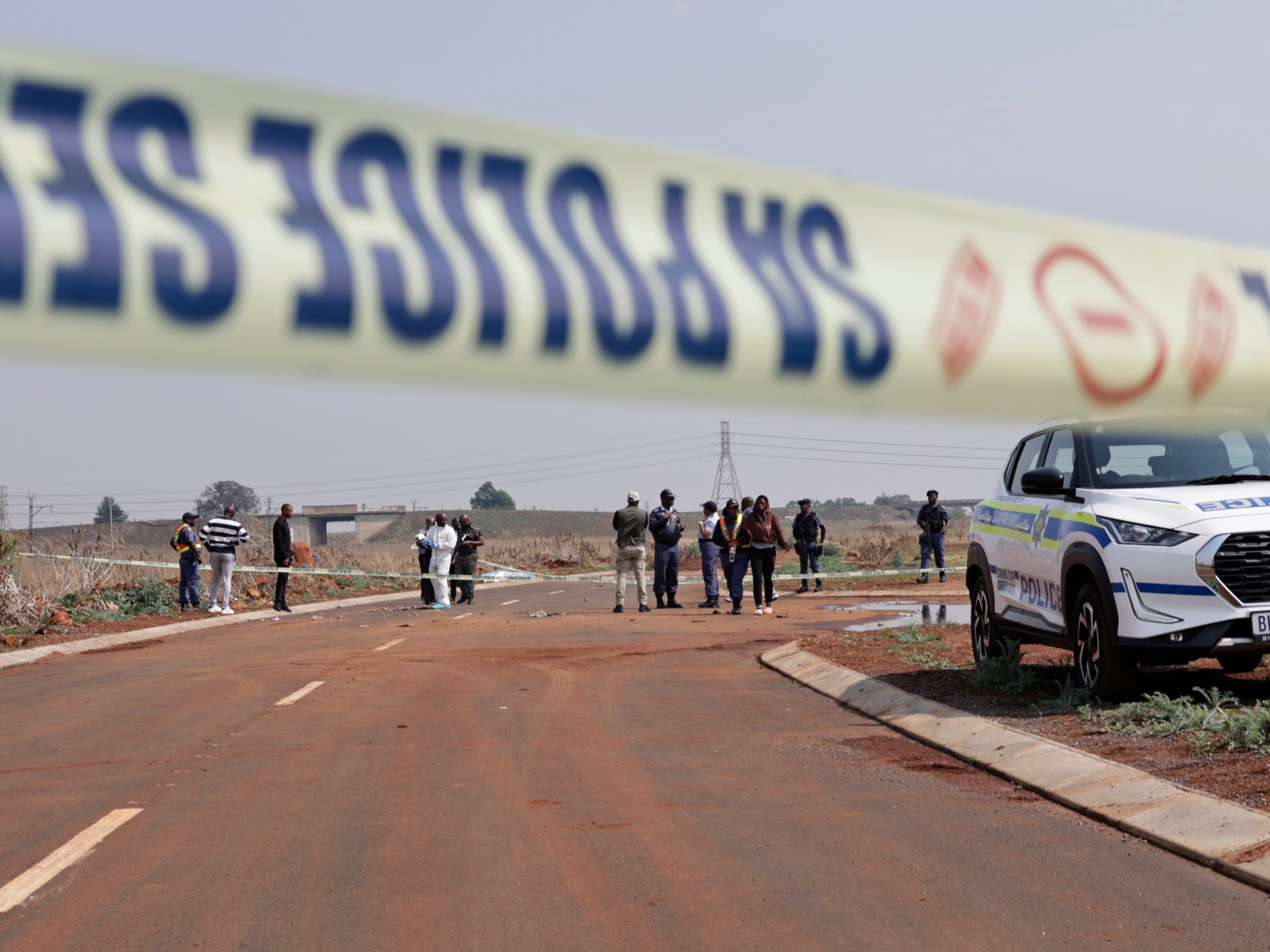
Geopolitical & Core Developments
The discovery of the tenth body of a woman in an industrial area near Johannesburg has ignited a national crisis and drawn intense international scrutiny regarding South Africa's internal security landscape. Law enforcement agencies have launched a high-priority multi-jurisdictional investigation into what appears to be a coordinated pattern of predatory violence targeting vulnerable women. South Africa already contends with some of the highest rates of gender-based violence (GBV) and femicide globally, with statistics consistently outpacing the global average by alarming margins.
The unfolding tragedy places immense political pressure on the central government and the South African Police Service (SAPS), both of which face persistent criticism over resource allocation, investigative efficacy, and systemic institutional failures. State actors and domestic civil society organizations have long demanded comprehensive overhauls of the criminal justice system, highlighting chronic backlogs in forensic DNA processing, inadequate victim support infrastructure, and widespread impunity for violent offenders. The current trajectory of these investigations underscores deep-seated structural vulnerabilities within urban and peri-urban security frameworks, threatening to destabilize public trust in democratic institutions at a critical juncture for the nation.
Global Trade & Economic Ripples
While primarily a profound humanitarian and domestic security crisis, the escalation of violent crime and systemic gender-based violence in South Africa carries tangible implications for international commerce, foreign direct investment (FDI), and the broader macroeconomic climate. Global institutional investors, rating agencies, and multinational corporations closely monitor sovereign risk indicators, among which social stability, rule of law, and internal security remain paramount.
Permanent perceptions of lawlessness or inadequate state protection directly impact South Africa's attractiveness as a premier investment destination on the African continent. Key sectors such as tourism, hospitality, and retail face immediate reputational headwinds when high-profile violent crimes dominate international media cycles. Furthermore, multinational corporations operating regional headquarters within Johannesburg must increasingly factor heightened duty-of-care expenses, enhanced private security overheads, and employee retention challenges into their operational expenditures. Prolonged social instability dampens consumer confidence and impedes labor productivity, ultimately creating headwinds for foreign exchange stability and broader emerging market bond yields.
Related Intelligence: South Africa Murders Spark National Outcry and Economic Concerns
International Reactions & Diplomatic Stances
The deepening crisis has prompted swift reactions from multilateral organizations, human rights advocates, and foreign diplomatic missions stationed in Pretoria. The United Nations Entity for Gender Equality and the Empowerment of Women (UN Women) issued a strongly worded statement calling for immediate accountability, enhanced protection mechanisms, and robust enforcement of existing legal frameworks designed to safeguard women and girls.
International human rights bodies have reiterated calls for the South African government to treat gender-based violence as a national security threat rather than a peripheral social issue. Foreign trade partners and diplomatic representatives are privately and publicly engaging with policymakers to emphasize that sustainable economic growth and governance reform are inextricably linked to human security. Market analysts note that while immediate economic sanctions or diplomatic retalitions are unlikely, persistent failures in addressing systemic violence could influence future bilateral aid allocations and long-term trade agreements, particularly those tied to governance benchmarks and social impact metrics.
Strategic Outlook & Future Scenarios
As the SAPS continues its forensic investigations across the greater Johannesburg region, the near-term outlook hinges on the state's capacity to apprehend suspects swiftly and transparently prosecute those responsible. Upcoming legislative sessions and national policy forums will serve as critical barometers for political resolve, with civil society coalitions threatening mass mobilizations if institutional reforms are delayed.
Looking forward, the crisis exposes vital fault lines in South Africa's socio-economic fabric. If the administration fails to implement credible, measurable interventions to curb violent crime, the resulting erosion of social cohesion could manifest in protracted labor disruptions, diminished consumer spending, and dampened investor sentiment. Conversely, a decisive governmental response characterized by increased budgetary support for law enforcement and victim support services could help restore institutional credibility. Ultimately, safeguarding human security remains a foundational prerequisite for South Africa's long-term geopolitical and economic integration into the global economy.
Join Our Official WhatsApp Channel
Receive live commodity alerts, policy changes, and commercial intelligence directly on WhatsApp.