
Escalating Strikes Undermine UAE Ceasefire Push as Energy Markets Quake
Renewed Russian and Ukrainian airstrikes kill at least ten people, overshadowing fresh US-led ceasefire proposals centered in the UAE and rattling global commodity markets.
Geopolitical & Core Developments
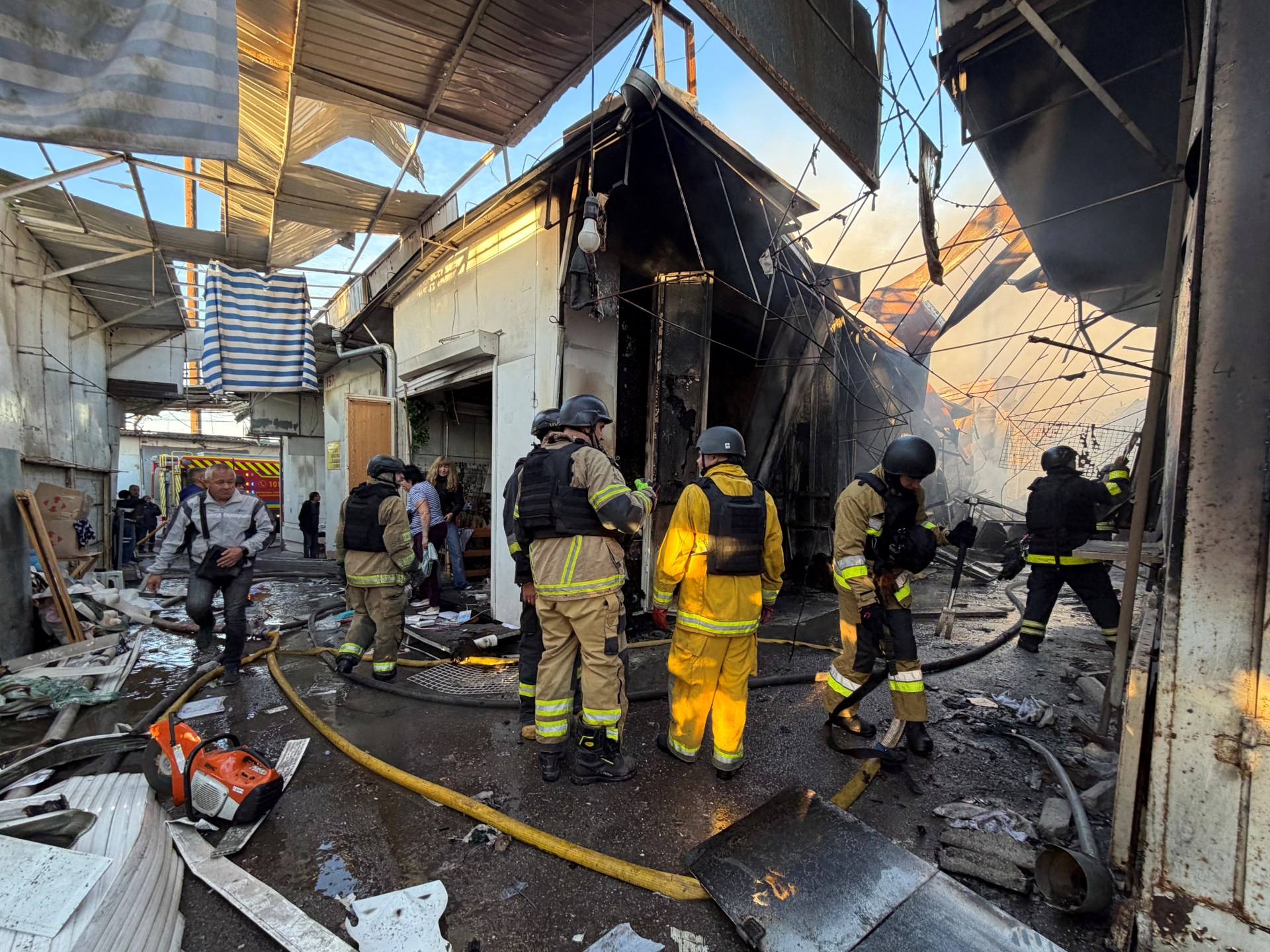
A fresh escalation in the Russia-Ukraine conflict has left at least ten people dead following a wave of intensive overnight aerial bombardments by both state actors. The lethal strikes hit critical population centers and logistical nodes, abruptly shattering a fragile diplomatic window. This spike in kinetic activity unfolds directly on the heels of a high-stakes diplomatic initiative spearheaded by Washington, which recently proposed a fresh round of structured ceasefire talks hosted by neutral intermediaries in the United Arab Emirates.
The timing of the offensive operations underscores the profound mistrust currently defining the theater of war. Military analysts note that both Moscow and Kyiv appear intent on maximizing territorial leverage on the frontline ahead of any potential concessions at the negotiating table. The proposed UAE-hosted summit was designed to bring backchannel negotiators together to discuss phased de-escalation, demilitarized buffer zones, and humanitarian corridors. However, the latest casualties and the intensification of drone and missile exchanges have severely complicated preliminary diplomatic frameworks, raising doubts among regional observers regarding the viability of immediate peace talks.
Global Trade & Economic Ripples
The resumption of heavy combat and the targeted degradation of regional infrastructure have triggered immediate shockwaves across global energy markets and international supply chains. European benchmark natural gas futures experienced notable upward pressure as traders factored in the heightened risk of collateral damage to vital cross-border transit pipelines running through Eastern Europe. Furthermore, lingering vulnerabilities in Black Sea shipping lanes remain a primary concern for international grain traders and agricultural commodity desks.
Kalyar Traders World Desk analysts emphasize that sustained hostilities continue to distort global pricing structures for key industrial metals, fertilizers, and fossil fuels. Shipping insurers have adjusted premium risk assessments for vessels operating within the broader regional periphery, elevating logistics costs and extending transit times for bulk carriers. Currency markets have similarly reflected mounting unease, with eastern European fiat currencies facing persistent downward pressures while safe-haven assets attract capital inflows amid growing uncertainty over winter energy security.
Related Intelligence: US Rejects Iranian Hormuz Plan as Energy Markets Stare at Stalemate
International Reactions & Diplomatic Stances
International bodies and foreign ministries have reacted with a mixture of condemnation and urgent appeals for restraint. A spokesperson for the United Nations Secretary-General reiterated that attacks directed against civilian populations and civilian infrastructure constitute a grave violation of international humanitarian law, calling for an immediate cessation of hostilities to accommodate the proposed UAE dialogue. European Union leadership echoed these sentiments, stressing that sustained military escalation directly undermines regional stability and global economic recovery.
Meanwhile, diplomatic capitals in Washington, Brussels, and regional hubs remain locked in consultations to salvage the diplomatic track. Market analysts, however, express growing skepticism regarding near-term breakthroughs. Institutional commentary from major financial houses notes that unless the parties agree to a verified cessation of long-range aerial strikes, commercial confidence will remain depressed, locking commodity markets into a high-volatility paradigm characterized by persistent geopolitical risk premiums.
Strategic Outlook & Future Scenarios
Looking ahead, the trajectory of the conflict hinges on whether Washington and its allies can compel both belligerents to implement a temporary cessation of hostilities as a precursor to formal UAE-mediated negotiations. Should the current cycle of retaliation persist, strategic planners anticipate a hardening of positions, with Moscow likely reinforcing its defensive perimeters and Kyiv intensifying asymmetric drone campaigns against strategic assets.
For global commerce and multinational stakeholders, the immediate outlook demands rigorous risk management and diversified supply chain strategies. Upcoming international summits and G20 ministerial meetings will likely serve as critical pressure points for enforcing diplomatic compliance. However, unless substantive compromises emerge from backchannel diplomacy, the intersection of protracted warfare and volatile commodity pricing will remain the defining baseline for global markets throughout the upcoming fiscal quarters.
Join Our Official WhatsApp Channel
Receive live commodity alerts, policy changes, and commercial intelligence directly on WhatsApp.