
Trump Realigns with Netanyahu Raising Middle East Escalation and Energy Concerns
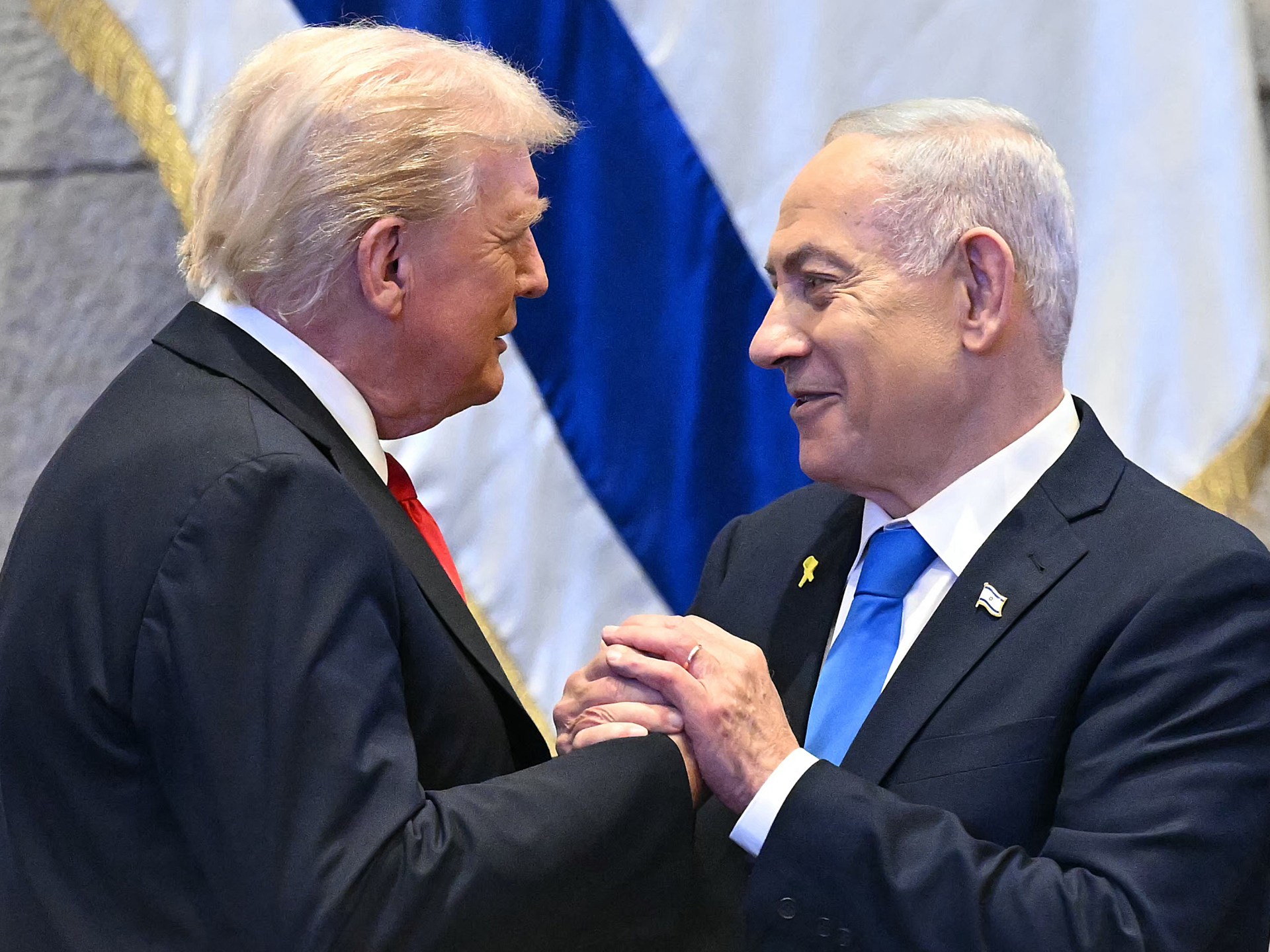
Donald Trump's explicit backing of Israeli Prime Minister Benjamin Netanyahu signals a coordinated posture against Tehran, triggering concerns over regional military escalation and severe disruptions to global commodity flows.
Geopolitical & Core Developments
A decisive shift in Washington's conservative establishment has crystallized around Middle East policy, marked by Donald Trump's overt public endorsement of Israeli Prime Minister Benjamin Netanyahu. This alignment marks a significant departure from earlier tactical distance, consolidating a hawkish coalition explicitly oriented against the Islamic Republic of Iran. Defense analysts and regional observers view this rapprochement as the prelude to a potentially severe escalation in direct and covert operations against Iranian nuclear and military infrastructure.
Over the past year, reciprocal strikes between Israel and Iran altered established deterrence rules across the Levant and the Arabian Peninsula. Netanyahu's war cabinet has consistently maintained that neutralizing Iranian-backed proxies and dismantling Tehran's uranium enrichment capacity remain existential security priorities. The reaffirmation of high-level American political backing provides political cover for Tel Aviv to contemplate broader kinetic strikes, raising urgent questions regarding joint military planning, advanced intelligence sharing, and pre-emptive coordination in the event of expanded regional conflict.
Global Trade & Economic Ripples
The immediate consequence of heightened military posture in the Middle East centers on global energy markets. Brent crude and West Texas Intermediate face upward price pressure due to geopolitical risk premiums tied to the vulnerability of the Strait of Hormuz, a maritime chokepoint accounting for roughly 20 percent of global petroleum consumption. Any direct confrontation threatening maritime navigation or critical regional infrastructure would immediately trigger crude spikes above baseline international projections.
Beyond energy, global supply chains remain acutely exposed. Continued instability across the Red Sea and surrounding waterways has already elevated war-risk insurance premiums, lengthened bulk shipping turnaround times, and increased freight rates between Asia, the Mediterranean, and Europe. Industrial commodities, including nitrogen-based fertilizers and key petrochemical derivatives sourced from Gulf producers, face recurring export bottlenecks. Slower freight and costlier trade finance exacerbate global inflationary pressures, directly complicating monetary easing trajectories pursued by major central banks.
Related Intelligence: Pakistan Highlights Strategic Mediation in US-Iran Standoff at Doha Forum
International Reactions & Diplomatic Stances
Official reactions reflect deep fissures across the multilateral landscape. Tehran has issued explicit warnings through its foreign ministry and the Islamic Revolutionary Guard Corps (IRGC), asserting that any joint military initiative targeting sovereign Iranian assets will trigger comprehensive retaliatory responses against regional bases and maritime transit corridors.
European Union diplomats have urged maximum restraint, warning that dismantling existing diplomatic frameworks and expanding sanctions without multilateral coordination risks total regional destabilization. Gulf Cooperation Council (GCC) member states, while historically wary of Iranian influence, have pursued calibrated bilateral de-escalation strategies with Tehran, actively lobbying international partners to avoid military miscalculations that could engulf regional energy assets. Meanwhile, market intelligence firms and international rating agencies continue to revise risk matrices for regional infrastructure bonds, shipping insurers, and energy exploration ventures operating across the Middle East.
Strategic Outlook & Future Scenarios
The trajectory of Western policy toward Iran hinges heavily on upcoming electoral milestones, unilateral sanctions enforcement, and domestic political endurance in Tel Aviv. A scenario involving renewed 'maximum pressure' sanctions would target Iranian crude exports, secondary shipping registries, and illicit financial conduits, severely restricting oil sales to non-Western buyers.
Should pre-emptive military action materialize, baseline scenarios anticipate retaliatory missile barrages, intensified drone warfare across critical energy choke points, and asymmetric cyber incursions against financial infrastructure. Multilateral institutions face diminished diplomatic leverage as transactional, bilateral defense agreements supersede established international non-proliferation treaties. For global procurement firms, trading desks, and logistics operators, hedging against maritime security vulnerabilities and crude volatility remains a mandatory strategic priority as geopolitical risk accelerates across the Persian Gulf.
Join Our Official WhatsApp Channel
Receive live commodity alerts, policy changes, and commercial intelligence directly on WhatsApp.