
Netanyahu Security Doctrine Sparks Scrutiny Over Regional Strategy and Domestic Politics
Israeli Prime Minister Benjamin Netanyahu has introduced a revised regional security doctrine, prompting debate over whether it represents a transformative geopolitical realignment or a calculated maneuver for domestic political survival.
Geopolitical & Core Developments
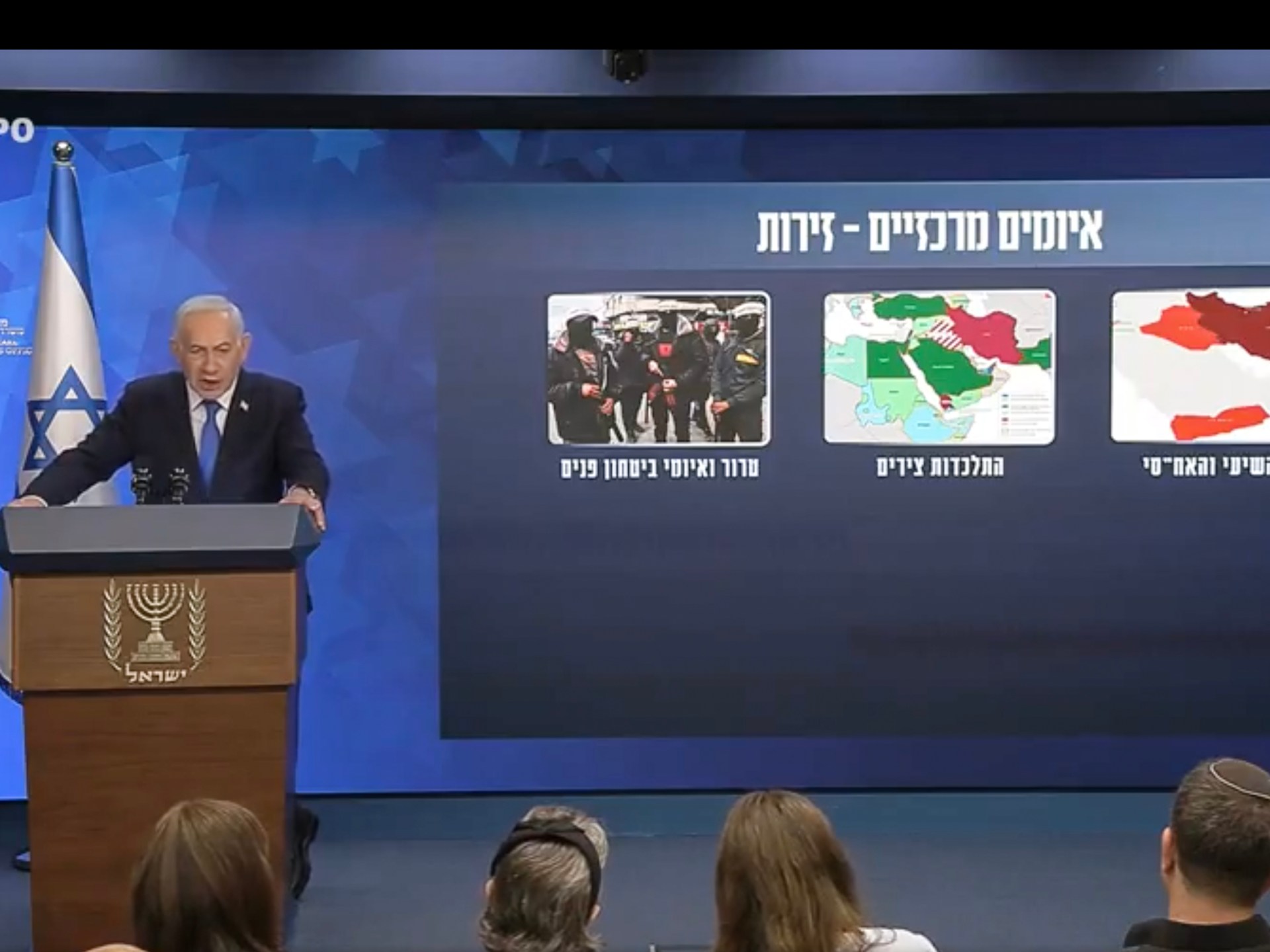
Israeli Prime Minister Benjamin Netanyahu has articulated a sweeping revision to Israel's national security doctrine, projecting an assertive posture designed to reshape Middle Eastern power dynamics. Characterized by expanded operational autonomy, sustained pre-emptive deterrence, and a realigned regional security architecture, the strategy seeks to formalize an axis against state and non-state actors affiliated with Tehran. The blueprint outlines an intensified reliance on unilateral military intervention while actively pursuing bilateral normalization accords independent of multilateral negotiations regarding Palestinian statehood.
However, regional analysts and political observers argue that the timing of this doctrine indicates motives extending beyond sovereign defense. Facing acute coalition fragility, domestic legal challenges, and mounting calls for early parliamentary elections, Netanyahu is widely seen as leveraging high-stakes geopolitical posture to consolidate a fractured conservative base. By presenting an expansive vision of Israeli deterrence and regional hegemony, the administration aims to steer domestic discourse away from internal accountability and towards existential national survival.
Global Trade & Economic Ripples
The strategic posture outlined in the doctrine has acute ramifications for international commerce, particularly energy distribution networks and key logistical channels. Persistent volatility along the Red Sea, the Bab al-Mandeb Strait, and the broader Levant continues to impose substantial risk premiums on maritime transport. Commercial vessels are increasingly diverted away from the Suez Canal to circumnavigate the Cape of Good Hope, a structural shift that adds up to fourteen days to transit times and drives up global freight costs, insurance rates, and vessel operational expenses.
Hydrocarbon markets remain especially sensitive to any escalation that could embroil Persian Gulf production hubs or disrupt traffic through the Strait of Hormuz. Sustained instability threatens to inject long-term inflationary pressures into European and Asian energy imports, complicating central bank monetary easing cycles. Furthermore, prospective infrastructure corridors designed to link India to the Mediterranean via the Arabian Peninsula face operational paralysis, as sovereign investors and multilateral lenders defer commitments amid heightened security liabilities.
Related Intelligence: Pakistan Suspends Iran Border Trade Amid Escalating Regional Security Threats
International Reactions & Diplomatic Stances
Global diplomatic reception to the doctrine has been distinctly polarized. In Washington, bipartisan defense commitments remain firm, yet senior administration officials have voiced discreet concern regarding the absence of a viable post-conflict governance framework and the doctrine's bypass of diplomatic pathways toward a two-state resolution. European Union leaders have similarly underscored that enduring regional stability cannot be decoupled from comprehensive political settlements, warning that unilateral security doctrines exacerbate humanitarian fragility.
Across regional capitals, responses reflect deep strategic caution. While signatory states of the Abraham Accords maintain functional diplomatic channels, official statements have reinforced the non-negotiability of Palestinian rights and warned against unilateral annexations or aggressive escalations. Meanwhile, multilateral bodies, including the United Nations, have urged restraint, cautioning that entrenching confrontation without addressing systemic political grievances threatens to destabilize already fragile regional borderlands.
Strategic Outlook & Future Scenarios
Moving forward, the doctrine faces operational tests along two primary axes: the resilience of Israel's domestic political landscape and the threshold of containment among regional rivals. If early elections are triggered, Netanyahu's security posture will undergo direct democratic referendum, potentially altering the pace and implementation of proposed cross-border initiatives. A fractured electorate could either mandate an even more aggressive defense policy or usher in a coalition inclined toward international coordination.
Conversely, an uncompromising adherence to the newly formulated doctrine heightens the likelihood of recurrent, multi-front military friction. Escalatory cycles risk attracting targeted international sanctions, stricter export controls on defense components from allied nations, and increased operational vulnerabilities for global supply lines. For international markets and diplomatic stakeholders, the Middle East enters an era where domestic political calculations and cross-border security doctrines are inextricably linked, driving prolonged commercial uncertainty.
Join Our Official WhatsApp Channel
Receive live commodity alerts, policy changes, and commercial intelligence directly on WhatsApp.