
Sindh High Court Dismisses State Appeal Against Mahrang Baloch Acquittal
The Sindh High Court has dismissed the state's appeal challenging the acquittal of Baloch Yakjehti Committee leader Mahrang Baloch, cementing a key legal decision affecting political stability and inter-provincial commerce.
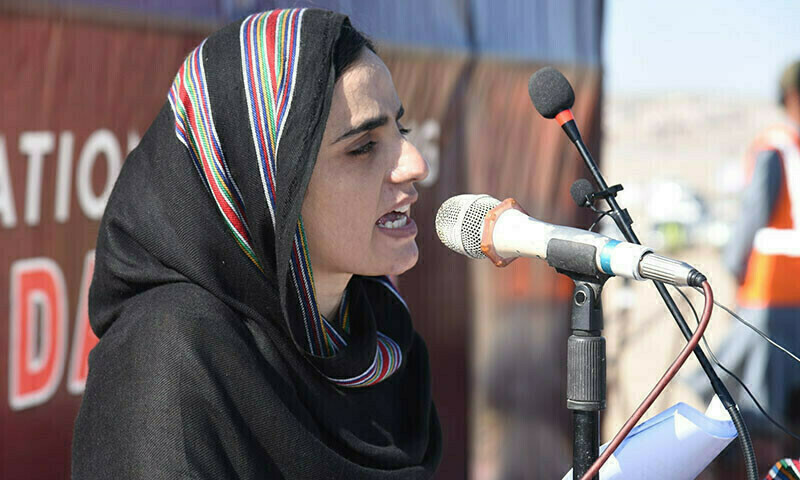
The Core Development
The Sindh High Court (SHC) has formally dismissed an appeal filed by the provincial government through the prosecutor general challenging the earlier acquittal of Baloch Yakjehti Committee (BYC) leader Dr. Mahrang Baloch in a high-profile sedition and terrorism case. The appellate bench declared the state's petition non-maintainable on procedural and legal grounds, upholding the definitive decision rendered by a Karachi Anti-Terrorism Court (ATC).
The legal battle traces back to October 11, 2024, when Quaidabad police in Karachi's Malir district registered a first information report against Baloch under sections of the Pakistan Penal Code and the Anti-Terrorism Act (ATA). Authorities alleged she had incited the public and leveled unsubstantiated claims against state security institutions. Following protracted litigation that spanned over a year, an ATC in Karachi cleared Baloch of all charges due to insufficient evidentiary standing. In December 2025, acting prosecutor general Muntazir Mehdi petitioned the high court to overturn the trial court's dismissal. The SHC ruling brings closure to this specific prosecution, ending a contentious legal episode with significant civil and political overtones.
Commercial & Economic Implications
While fundamentally a judicial and human rights matter, the trajectory of cases involving rights activists like Baloch carries direct consequences for Pakistan's national supply chains and trade stability. The Baloch Yakjehti Committee has repeatedly demonstrated the capacity to stage widespread road blockades, sit-ins, and demonstrations that paralyze connectivity between Balochistan and Sindh, particularly the National Highway networks linking Quetta to Karachi.
For domestic commerce, any legal escalation against high-profile regional leadership frequently triggers localized shutdowns, delaying the movement of industrial raw materials, imported consumer goods, and critical food shipments. Karachi acts as the primary maritime clearing point for goods destined for Balochistan's interior and transit trade routes. Prolonged political friction typically escalates freight insurance premia, raises private logistics costs by 8 to 15 percent during disruptions, and creates acute volatility in wholesale commodity pricing across provincial retail hubs. By precluding an immediate legal escalation, this court dismissal lessens near-term risks of retaliatory logistical paralysis along major freight arteries.
Stakeholder Perspectives & Market Reactions
Legal practitioners have welcomed the SHC decision as an affirmation of trial court autonomy, emphasizing that the state's reliance on broad anti-terrorism provisions to adjudicate political dissent regularly collapses under rigorous constitutional scrutiny. Defense counsel noted that the dismissal of the appeal reflects systemic procedural shortcomings in state prosecutions.
Commercial stakeholders, including freight forwarders and wholesale distribution associations operating along the Sindh-Balochistan corridor, reacted with cautious relief. Trade bodies in Karachi and Hub have consistently underscored the need for administrative de-escalation, pointing out that strikes and emergency detentions invariably cascade into disrupted warehouse fulfillment schedules and delayed supply contracts. Meanwhile, civil society networks viewed the verdict as an essential check against the unwarranted criminalization of political activism, signaling that judicial pathways remain an institutional safeguard.
Forward Outlook & Key Watchpoints
The dismissal of the appeal marks an end to this immediate prosecution, but state authorities retain the option to review the procedural defects or seek leave to appeal before the Supreme Court of Pakistan. Observers are monitoring whether the provincial administration pursues further litigation or accepts the high court's determination to avoid reigniting domestic friction.
Moving forward, commercial enterprises and domestic supply chain managers will maintain a watchful eye on political developments in Balochistan and parts of Karachi. The primary focus centers on the enforcement of civil liberties, the administration of public assembly guidelines, and the uninterrupted flow of heavy commercial transport along southern transit corridors. Maintaining institutional stability without coercive legal actions will be vital for preserving business confidence across domestic retail and wholesale markets.
Join Our Official WhatsApp Channel
Receive live commodity alerts, policy changes, and commercial intelligence directly on WhatsApp.