
Pakistan Highlights Strategic Mediation in US-Iran Standoff at Doha Forum
Interior Minister Mohsin Naqvi emphasized Pakistan's proactive diplomatic role in defusing US-Iran tensions at the Global Security Forum in Doha, underscoring Islamabad's strategic efforts to protect regional security and economic corridors.
The Core Development
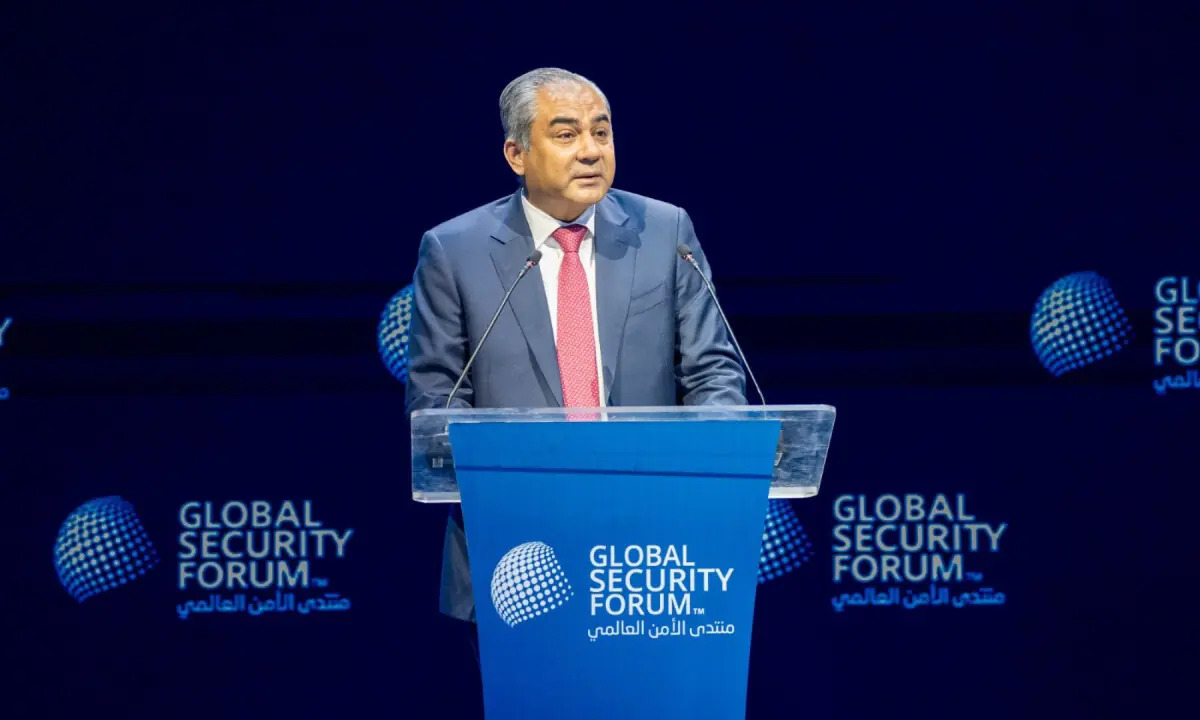
Addressing high-level dignitaries and defense policymakers at the 8th Global Security Forum in Doha, Qatar, Interior Minister Mohsin Naqvi underlined Pakistan's sustained diplomatic efforts to mediate hostilities between the United States and Iran. Speaking under the conference banner 'The Future of Alliances', which brought together delegations from more than 100 countries, Naqvi stated that Islamabad 'never gave up' on facilitating backchannel discussions during heightened hostilities that threatened to engulf the wider Middle East.
Naqvi remarked that recent months presented unprecedented volatility for regional security, with direct military exchanges between Washington and Tehran posing systemic threats to international stability. According to the minister, Pakistan consistently chose constructive engagement over neutrality, leveraging its geographic proximity, diplomatic ties with Tehran, and longstanding institutional relations with Washington to mitigate escalation risks. The forum, inaugurated in Qatar's capital, served as a primary platform for middle powers to outline their peace-brokering architecture amid evolving multi-polar alliances.
Commercial & Economic Implications
For Pakistan's import-reliant economy, the stabilization of US-Iran relations carries substantial commercial consequences. A full-scale conflagration in the Persian Gulf would severely compromise commercial maritime traffic across the Strait of Hormuz, the critical transit chokepoint through which Pakistan secures an estimated 80 percent of its crude oil and liquefied natural gas (LNG) shipments. Heightened military risk premiums during peak escalation periods directly inflated freight rates, marine insurance costs, and energy landing prices at Karachi ports.
In the domestic market, any disruption to hydrocarbon inflows immediately transmits into retail fuel pricing adjustments, driving transportation overheads and upstream wholesale prices across fast-moving consumer goods (FMCG), agricultural produce, and imported industrial inputs. Furthermore, protracted bilateral sanctions and kinetic conflict impede Pakistan's formalized cross-border barter trade frameworks with Iran, which serve as essential conduits for regional commodities, liquefied petroleum gas (LPG), and border economy operations in Balochistan.
Related Intelligence: Mauritius Lifts Curfew Following Deadly Protests Over Inflation and Water Scarcity
Stakeholder Perspectives & Market Reactions
Financial analysts and mercantile bodies have responded favorably to Pakistan's explicit positioning as a diplomatic stabilizer. The Federation of Pakistan Chambers of Commerce and Industry (FPCCI) and regional wholesale merchant groups maintain that maritime peace along the Gulf of Oman is an absolute prerequisite for stabilizing domestic inflation and foreign exchange balances. Market operators noted that geopolitical de-escalation dampens the volatility of petroleum levies, helping manufacturers maintain baseline pricing structures.
Diplomatic analysts in Islamabad observe that Pakistan's intermediary posture serves domestic economic defense as much as international statecraft. By actively promoting de-escalation at multinational summits such as the Doha forum, Islamabad seeks to preserve regional trade corridors without running afoul of Western sanctions regimes. Trade syndicates operating along the southwestern frontier have reiterated the necessity of predictable security environments to prevent informal market shocks and ensure smooth clearance of legal freight.
Forward Outlook & Key Watchpoints
Moving forward, the effectiveness of diplomatic overtures will hinge on formal commitments between Washington and regional powers to avoid unilateral strikes on critical infrastructure. Pakistani trade authorities and energy planners will closely monitor security dynamics in the Gulf waterways, alongside maritime surveillance updates from regional combined maritime forces.
Key watchpoints for domestic commercial stakeholders include movements in global Brent benchmarks, the trajectory of marine insurance surcharges, and subsequent foreign policy coordination between Islamabad and Gulf Cooperation Council (GCC) partners. As Pakistan continues its diplomatic engagement abroad, maintaining stability across its western borders will remain essential to sustaining domestic retail supply networks and structural macroeconomic recovery.
Join Our Official WhatsApp Channel
Receive live commodity alerts, policy changes, and commercial intelligence directly on WhatsApp.