
Government Slashes Petrol and Diesel Rates Amid Shifting Global Markets
The Pakistani government has announced substantial cuts in domestic petroleum prices, slashing petrol by Rs5.16 and high-speed diesel by Rs7.69 per litre to ease national inflationary pressures.
The Core Development
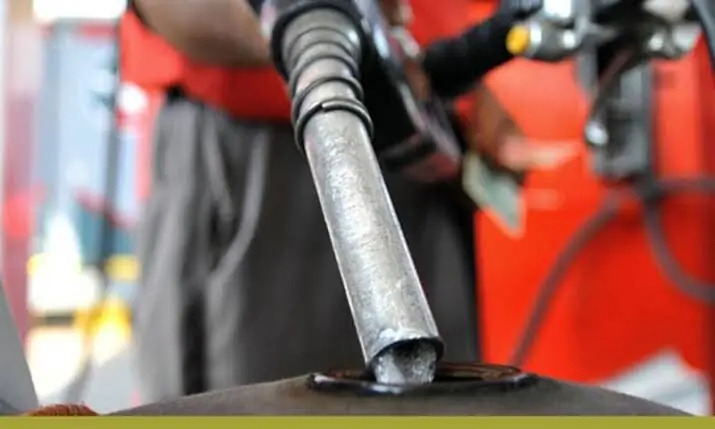
In an official notification issued late Tuesday night, the federal government authorized an immediate downward revision in the consumer prices of major petroleum products. Effective immediately, the ex-depot price of motor spirit (petrol) has been decreased by Rs5.16 per litre, while high-speed diesel (HSD) has witnessed a significant reduction of Rs7.69 per litre.
The price adjustment was formalized following statutory determinations submitted by the Oil and Gas Regulatory Authority (OGRA) and subsequent consultations with the Ministry of Energy (Petroleum Division) and the Ministry of Finance. Officials confirmed that the revision accounts for the fluctuations in benchmark Arab Light and Brent crude contracts over the concluding fortnightly review window, combined with modest exchange rate stabilization of the Pakistani Rupee against the US Dollar. The move offers tangible respite after a sustained period of heavy indirect taxation and elevated petroleum development levies aimed at meeting fiscal discipline targets.
Commercial & Economic Implications
The price reduction carries broad macroeconomic consequences for Pakistan's domestic commerce, retail distribution channels, and baseline inflation indicators. High-speed diesel operates as the central energy conduit for the national supply chain, fueling heavy freight logistics, intercity cargo trailers, public transport fleets, and agricultural tube wells.
For wholesale distributors and fast-moving consumer goods (FMCG) logistics networks, the Rs7.69 per litre drop in HSD directly compresses primary transport expenditures. Market analysts observe that freight charges represent an estimated 10 to 18 percent of total landed costs for wholesale agricultural commodities and perishable food stocks arriving at urban trade centers such as Lahore, Karachi, and Multan. Consequently, the downward adjustment is projected to exert downward pressure on the Consumer Price Index (CPI), particularly food and transport indices, helping anchor inflation expectations over the coming quarter.
Simultaneously, the Rs5.16 reduction in petrol prices provides immediate disposable income relief to salaried middle-class households and commercial riders driving two-wheel and ride-hailing services. This incremental domestic liquidity is anticipated to support urban retail activity, easing the daily overheads of local merchants and service operators.
Related Intelligence: French Unrest Triggers Supply Chain Jitters Amid European Economic Disruption
Stakeholder Perspectives & Market Reactions
The announcement has drawn cautious optimism across industrial and commercial corridors. Major trade bodies, including the Federation of Pakistan Chambers of Commerce and Industry (FPCCI) and regional wholesale merchant forums, welcomed the adjustment but noted that institutional pass-through remains a systemic challenge.
Logistics and freight operators indicated that while pump prices have retreated, road haulage tariffs must be recalibrated downward to ensure that industrial manufacturers and retail buyers directly experience the benefits. Sector representatives have called upon provincial price control authorities and transport syndicates to regulate inter-city and intra-city fares uniformly. Conversely, oil marketing companies (OMCs) and retail fuel station networks reported steady inventory balances, noting that the timely notification prevented widespread speculative inventory holding or distribution bottlenecks across critical national arteries.
Forward Outlook & Key Watchpoints
The sustainability of this pricing relief remains inextricably linked to global crude dynamics and sovereign fiscal obligations. Over the upcoming fortnightly review cycles, market participants must closely observe key risk parameters, including OPEC+ output decisions, global refining margins, and ongoing geopolitical stability in trade corridors.
Domestically, the primary watchpoint will be whether provincial transport authorities effectively mandate reciprocal cuts in goods and passenger transport tariffs, preventing haulers from absorbing the fuel margin gains. Furthermore, with national revenue mobilization benchmarks monitored by international financial institutions, the government faces a delicate balancing act between maintaining stable Petroleum Levy collections and insulating domestic enterprises from volatile energy import costs.
Join Our Official WhatsApp Channel
Receive live commodity alerts, policy changes, and commercial intelligence directly on WhatsApp.