
Trump Links Houthi Red Sea Maritime Attacks to US Election Dynamics
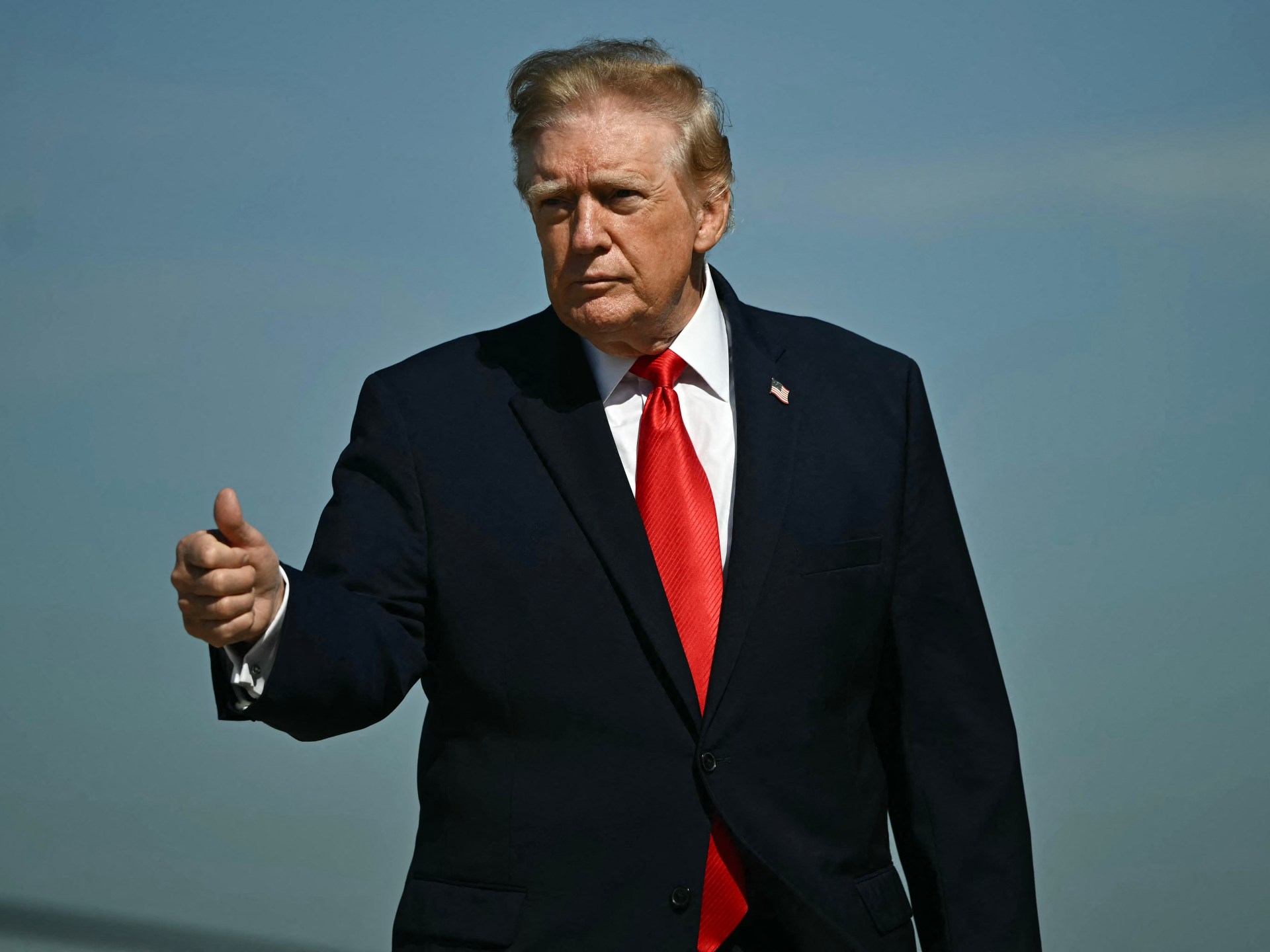
Former US President Donald Trump stated that Yemen's Houthi group is purposefully disrupting maritime routes to drive up oil prices ahead of the US election, highlighting the intersection of Red Sea conflict and domestic politics.
Geopolitical & Core Developments
Former United States President Donald Trump has linked the ongoing maritime offensive by Yemen's Houthi movement directly to American domestic politics, asserting that the Iran-aligned group is deliberately targeting critical shipping corridors to elevate global energy prices ahead of the forthcoming presidential election. The assertion brings maritime security in the southern Red Sea and Gulf of Aden squarely into the center of the US electoral debate, framing regional instability as a lever designed to influence American voter sentiment.
Since late last year, the Ansar Allah movement, commonly known as the Houthis, has launched dozens of drone and anti-ship missile strikes against commercial vessels transiting the Bab al-Mandab Strait. While the group officially frames these operations as a campaign of solidarity with Palestinians in Gaza, the strategic ramifications have extended far beyond the immediate theater of conflict. Washington, alongside an international coalition under Operation Prosperity Guardian, has deployed advanced naval assets and conducted reciprocal strikes against Houthi installations inside Yemen. Despite these interdiction efforts, the operational capability of the Yemeni movement to disrupt commercial traffic remains largely intact, creating sustained geopolitical friction across the Middle East.
Global Trade & Economic Ripples
The ongoing maritime crisis continues to force major container lines and energy shippers to divert vessels away from the Suez Canal, opting instead for the lengthy transit around Africa's Cape of Good Hope. This rerouting adds approximately 10 to 14 days to standard transit times between Asia and Europe, driving up bunker fuel consumption, freight rates, and commercial marine insurance premiums.
For global energy markets, the persistent vulnerability of the Bab al-Mandab bottleneck injects an enduring risk premium into Brent crude and West Texas Intermediate benchmarks. Although broader supply fundamentals remain anchored by non-OPEC+ output expansion and cautious demand forecasts, any localized escalation threatens tanker flows that account for nearly 10 percent of seaborne-traded petroleum. Heightened transportation expenses and supply chain friction pose upside risks to headline inflation, complicating monetary policy considerations for major central banks and maintaining elevated costs for global commodities.
Related Intelligence: UK Security Chief Warns of Rising Russian and Iranian Hostile Operations
International Reactions & Diplomatic Stances
Trump's assertions have sparked sharp dialogue among political strategists and commodity analysts. Western defense officials emphasize that the primary objective of the Houthi leadership remains regional leverage, ideological alignment with the broader Axis of Resistance, and internal consolidation of power within Yemen, rather than calibrated interference in American electoral politics.
Regional actors, particularly Saudi Arabia and the United Arab Emirates, continue to urge caution, prioritizing long-term regional stability and de-escalation over protracted kinetic engagements that could jeopardize delicate peace negotiations in Yemen. Multilateral bodies, including the United Nations Security Council, have repeatedly condemned the maritime strikes, demanding the immediate cessation of attacks on freedom of navigation while reiterating concerns over deteriorating humanitarian conditions in the region.
Strategic Outlook & Future Scenarios
Moving forward, the intersection of US domestic political pressure and Middle Eastern maritime stability suggests that Washington's defense posture will remain under intense scrutiny. As the American election approaches, elevated gasoline prices represent a sensitive political vulnerability, ensuring that any severe spike in crude benchmarks will trigger aggressive policy debate.
Scenarios for the near to medium term indicate persistent asymmetrical risks across the Red Sea corridor. In the absence of a comprehensive diplomatic settlement encompassing both the Gaza conflict and broader Yemeni political tracks, maritime transit through the Suez Canal is unlikely to normalize. Market participants must brace for sustained structural shifts in global trade flows, prolonged maritime diversion, and continued sensitivity in international oil markets to geopolitical disruptions.
Join Our Official WhatsApp Channel
Receive live commodity alerts, policy changes, and commercial intelligence directly on WhatsApp.