
Cholera Surges in Yemen Amid Escalating Conflict and Collapsing Infrastructure
The World Health Organization reports a dangerous spike in suspected cholera infections across Yemen as ongoing armed conflict and damaged infrastructure cripple nationwide containment efforts.
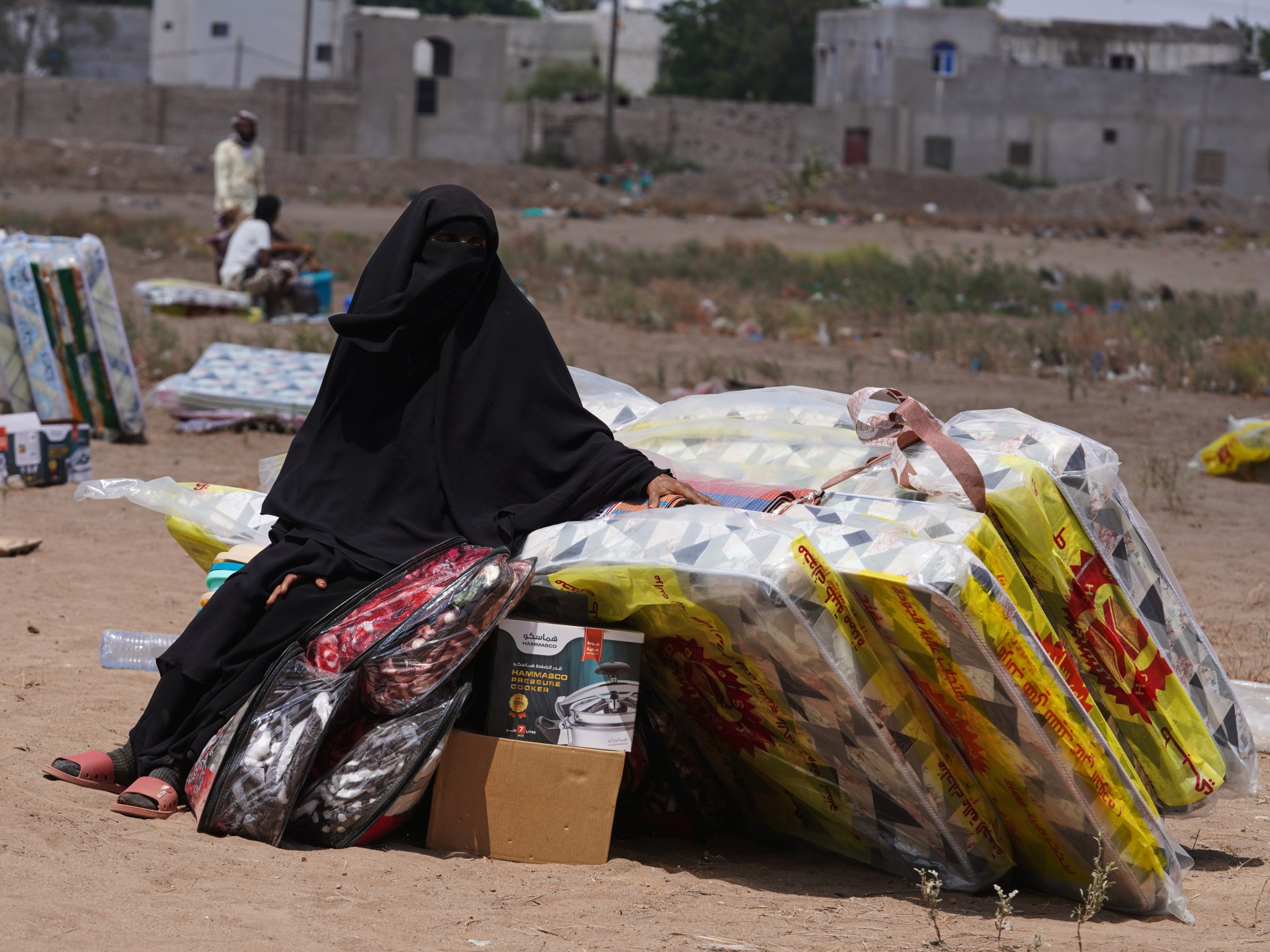
Geopolitical & Core Developments
Yemen is experiencing a severe resurgence of acute watery diarrhea and suspected cholera, presenting an escalating humanitarian crisis against the backdrop of protracted civil strife. According to data released by the World Health Organization (WHO), the country has documented 8,034 suspected cholera cases and 27 associated fatalities since the beginning of 2024. Alarmingly, more than a quarter of these reported infections emerged over the past four weeks alone, highlighting an accelerating transmission curve.
The epidemiology of the outbreak correlates directly with the structural destruction wrought by nearly a decade of military confrontation between the internationally recognized government, backed by a Saudi-led coalition, and the Houthi movement controlling major population centers, including Sana'a. Decimated water treatment facilities, damaged sewage networks, and an incapacitated public healthcare sector have left millions without access to potable water. This geographic fragmentation and ongoing hostilities continue to severely constrain surveillance and rapid medical intervention.
Global Trade & Economic Ripples
While predominantly a humanitarian tragedy, the deteriorating conditions within Yemen carry material ramifications for broader regional commerce and supply chain resilience. Yemen occupies a vital strategic position along the Bab al-Mandeb Strait, a maritime chokepoint governing roughly 12 percent of international seaborne trade. The compounding operational strain inside Yemeni territory occurs in tandem with naval tensions across the southern Red Sea corridor, compounding risk premia for maritime transit.
Commercial freight operators, logistics underwriters, and global energy shippers are operating under elevated uncertainty. Heightened security risks combined with internal instability drive up marine insurance rates and reroute critical shipping around the Cape of Good Hope, adding days to transit times and straining spot container freight costs. Furthermore, sustained humanitarian crises in the Arabian Peninsula strain multilateral donor budgets, diverting capital away from long-term reconstruction into immediate emergency relief, which in turn dampens broader regional development programs.
Related Intelligence: Houthi Threats Against Saudi Aramco Ignite Global Energy Security Concerns
International Reactions & Diplomatic Stances
Multilateral bodies and humanitarian organizations have issued urgent appeals to arrest the spread before it mirrors the catastrophic epidemics of 2017 and 2019. The WHO, alongside the United Nations Children's Fund (UNICEF), emphasized that immediate, unhindered access to vulnerable enclaves is essential to scale oral cholera vaccination campaigns, establish oral rehydration points, and deploy specialized treatment centers.
Diplomatic representatives from donor nations have urged all belligerents to facilitate safe corridors for aid workers and life-saving medical supplies. However, sovereign contributions to the United Nations Humanitarian Response Plan for Yemen remain sharply underfunded. International aid agencies warn that without an influx of flexible financing and the cessation of administrative bottlenecks, operational capacities will remain structurally outmatched by the contagion rate.
Strategic Outlook & Future Scenarios
The trajectory of the cholera outbreak will hinge largely on the overlap between regional security dynamics and environmental factors. The imminent arrival of seasonal rainy periods across western Yemen risks contaminating shallow aquifers and informal water collection points, potentially precipitating an exponential surge in transmission.
Absent a coordinated humanitarian de-escalation framework and targeted funding for water, sanitation, and hygiene (WASH) infrastructure, health clusters will struggle to stem the disease vector. Moving forward, the international community faces the dual challenge of brokering sustainable diplomatic mechanisms to reduce Red Sea friction while mobilizing capital to prevent a preventable contagion from overwhelming an already fractured nation.
Join Our Official WhatsApp Channel
Receive live commodity alerts, policy changes, and commercial intelligence directly on WhatsApp.