
Bihar Ganges Boat Disaster Sparks River Transport Scrutiny Across South Asia
Thirteen children drowned in eastern India after an overloaded passenger vessel capsized in the Ganges River, triggering urgent debates over inland transit regulation and safety compliance across regional waterways.
The Core Development
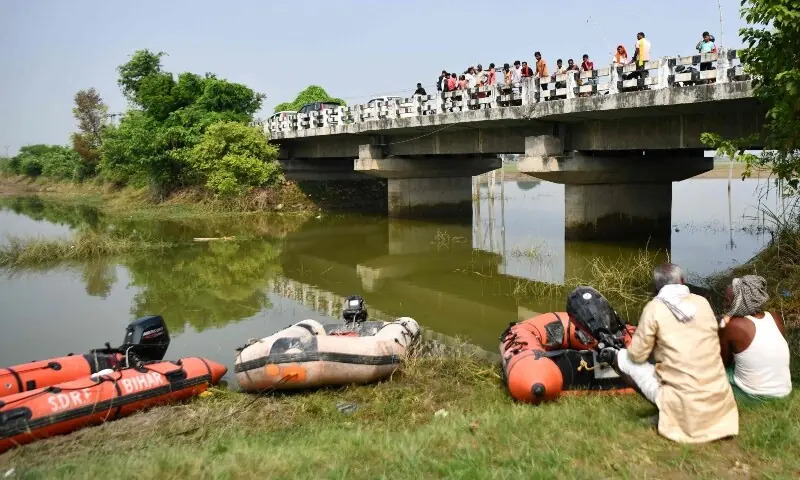
A devastating maritime incident in eastern India has claimed the lives of at least 13 children after an overloaded commuter boat capsized in the Ganges River late Tuesday evening. The catastrophe occurred in the Vaishali district of Bihar state, as dozens of local residents and families were travelling to attend a regional Hindu festival. According to local administrative and emergency personnel, the vessel succumbed to turbulent currents and severe overcrowding before overturning in low-visibility conditions.
Local villagers and first responders initiated immediate recovery operations in total darkness, relying primarily on mobile phone flashlights to locate survivors and retrieve victims from the river. Eyewitness accounts described sudden panic as the vessel destabilised within meters of the riverbank. Prime Minister Narendra Modi publicly conveyed his condolences, terming the tragedy deeply painful while state officials announced compensatory ex-gratia payments alongside an official administrative inquiry into maritime safety violations and passenger manifest non-compliance.
Commercial & Economic Implications
While predominantly a humanitarian tragedy, the incident underscores the severe structural weaknesses inherent in South Asia's secondary and informal transit networks. Across developing economies in the subcontinent, including Pakistan's Indus river basin and delta communities, unmonitored inland water transit serves as an indispensable artery for low-income commuters, agricultural laborers, and peri-urban retail traders. When these unregulated lifelines fail, the economic fallout is swift and disruptive.
Inland water routes in agrarian belts frequently facilitate the movement of fresh produce, poultry, and informal cargo alongside passengers. Unregulated operators dominate these corridors due to the absence of formal state-sanctioned logistics infrastructure. A regulatory clampdown inevitably follows such catastrophes, leading to abrupt halts in regional ferry services. For wholesale traders and local distributors, temporary river crossing suspensions create supply bottlenecks, elevate road-based freight costs, and introduce logistical friction that drives localized inflation on staple goods.
Related Intelligence: Circumventing US Sanctions: How Iran Reroutes Capital Through Shadow Finance
Stakeholder Perspectives & Market Reactions
The tragedy has renewed criticism from maritime safety advocates and regional trade bodies regarding the enforcement of basic safety protocols. Industry observers point out that life jackets, passenger limit certifications, and night-navigation aids remain virtually non-existent in rural ferry operations. Civil society organizations have demanded criminal accountability for unregistered operators and negligent local inspectors who permit overloaded voyages during peak festive seasons.
Transport policy analysts emphasize that South Asian economies cannot modernize their domestic logistics while ignoring basic inland water navigation frameworks. Regional trade bodies operating along major river systems continue to advocate for subsidized fleet modernization, arguing that private operators lack the capital to invest in steel-hulled, engine-stabilized craft without structured credit facilities or formal municipal licensing incentives.
Forward Outlook & Key Watchpoints
Moving forward, state authorities in Bihar face intense pressure to conclude the high-level inquiry and establish punitive measures against vessel operators flouting maritime codes. Key watchpoints over the coming quarters include whether regional governments across South Asia will institute mandatory digital registration, routine seaworthiness inspections, and strict passenger ceilings along inland water crossings.
For policymakers and business communities alike, this tragedy represents a stark reminder of the urgent need to integrate informal river corridors into formal national transport policies. Failure to enforce standardized safety protocols risks recurring humanitarian crises and deepens structural supply-chain vulnerabilities across critical transit junctions.
Join Our Official WhatsApp Channel
Receive live commodity alerts, policy changes, and commercial intelligence directly on WhatsApp.