
Circumventing US Sanctions: How Iran Reroutes Capital Through Shadow Finance
Iranian enterprises and citizens increasingly turn to shadow banking, hawala networks, and crypto assets to bypass sweeping US financial sanctions, reshaping regional liquidity corridors.
Geopolitical & Core Developments
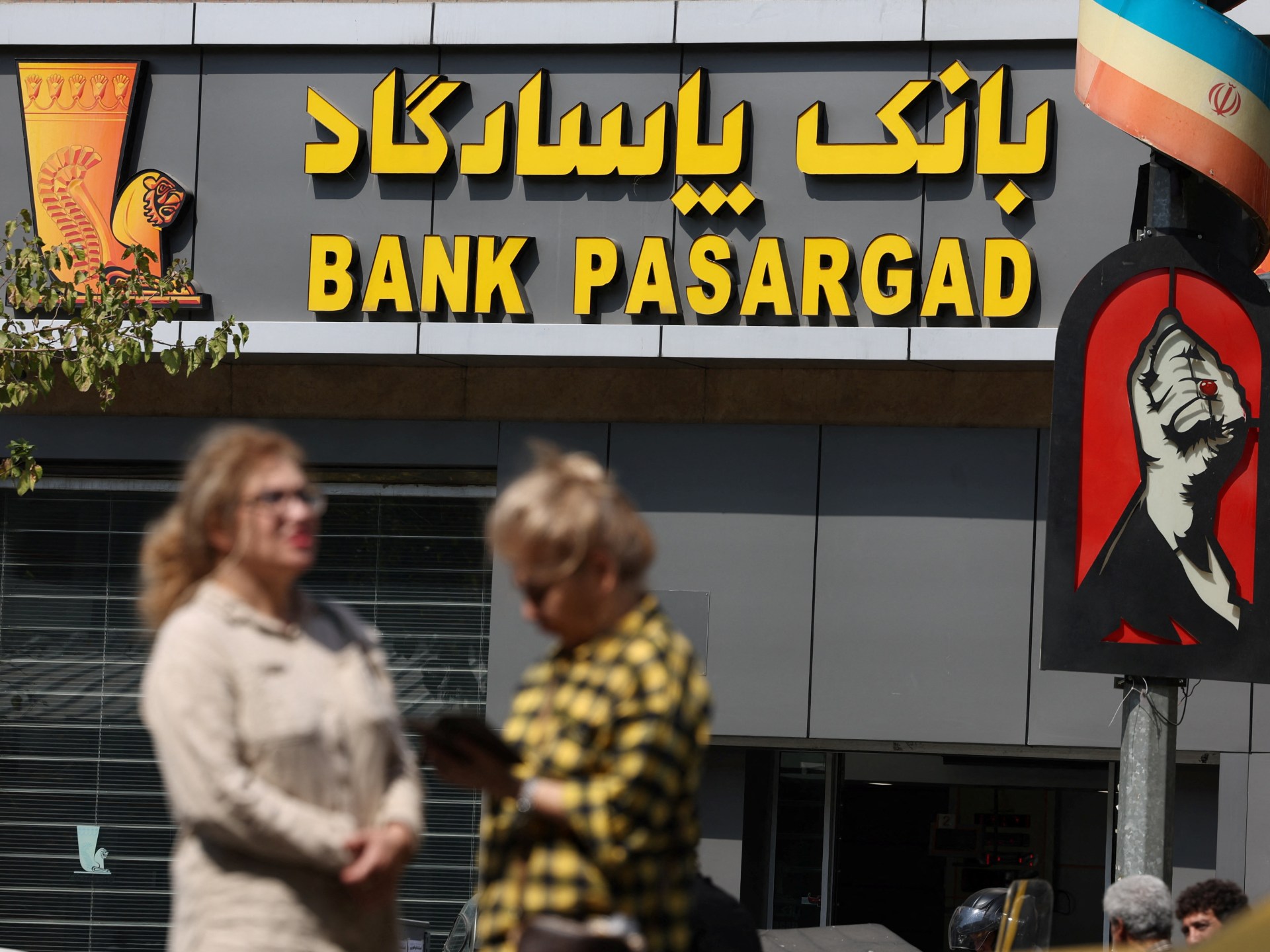
For more than four decades, Iran has operated under varying degrees of economic isolation. Since the United States unilaterally withdrew from the Joint Comprehensive Plan of Action (JCPOA) in 2018 and reimposed comprehensive primary and secondary sanctions, Tehran has faced structural exclusion from the SWIFT international payment system, correspondent banking networks, and dollar clearing facilities. To maintain economic survival and state spending, both the Iranian government and private commercial actors have constructed an intricate parallel financial architecture.
At the core of this shadow network is the centuries-old hawala system, an informal trust-based value transfer framework that operates without cross-border wire transactions. Iranian merchants match incoming and outgoing obligations through licensed and unlicensed money exchangers across regional trading hubs—most prominently Dubai, Istanbul, and Erbil. Alongside hawala, commercial entities leverage layers of shell and front companies in jurisdictions with loose corporate transparency laws. These entities mask beneficial ownership, relabel Iranian origin goods, and settle balances in regional fiat currencies before re-converting them into international accounts.
In recent years, decentralized digital assets have emerged as an alternative mechanism. State-backed infrastructure has subsidized domestic cryptocurrency mining, using subsidized domestic energy to create liquid Bitcoin reserves used directly to finance critical imports. However, rising compliance pressure and blockchain forensic scrutiny by Western treasuries have increasingly restricted this outlet, turning every transaction into a high-stakes calculation.
Global Trade & Economic Ripples
The persistence of Iran's sanctions evasion apparatus directly impacts global commodity flows, international trade settlements, and maritime shipping logistics. Unable to use conventional letters of credit, Iranian crude oil, petrochemicals, and non-oil exports trade at substantial discounts to international benchmarks. This dynamic has created a persistent discounted feedstock market absorbed largely by private refiners across the Asia-Pacific region.
To facilitate physical deliveries, maritime logistics have adapted through the expansion of a so-called shadow tanker fleet. Vessels routinely engage in ship-to-ship transfers, disable automatic identification systems (AIS), and falsify documentation to evade coastal tracking. This maritime workaround inflates commercial freight rates, shifts counterparty risks, and distorts traditional crude pricing mechanisms. Concurrently, regional foreign exchange markets face recurring liquidity anomalies, as cross-border cash demands from Iranian merchants induce volatility in neighboring currencies, including the Iraqi dinar and the Turkish lira.
Related Intelligence: US Penalizes Bank of America Over Illicit Chinese Financial Flows
International Reactions & Diplomatic Stances
The enforcement architecture led by the US Department of the Treasury's Office of Foreign Assets Control (OFAC) has adopted an increasingly aggressive posture, moving beyond direct targets within Tehran to sanction third-party facilitators. Washington regularly blacklists foreign exchange bureaus, front trading houses, and maritime logistics firms in the United Arab Emirates, China, and Turkey, warning international banks that non-compliance risks immediate exclusion from the US financial system.
European Union signatories to the JCPOA have voiced continuous concerns over regional destabilization, while acknowledging the operational death of mechanisms like INSTEX, which failed to process significant humanitarian trade. Multilateral financial watchdogs, led by the Financial Action Task Force (FATF), continue to keep Iran on their high-risk blacklist due to deficiencies in anti-money laundering (AML) and counter-terrorist financing (CFT) compliance. Conversely, non-Western alignments, notably the BRICS grouping and the Shanghai Cooperation Organisation, have welcomed Iran into their folds, accelerating dialogues on alternative, non-dollar interbank messaging frameworks.
Strategic Outlook & Future Scenarios
Looking ahead, the friction between Western regulatory sanctions enforcement and Iranian evasive financial engineering is set to intensify. The United States and its allies are deploying advanced artificial intelligence and distributed ledger analytics to trace complex shell-company transactions and crypto wallet clusters, closing gaps that once offered months of uninterrupted liquidity.
However, total disruption of Iran's illicit financial flows remains improbable. Tehran continues to institutionalize bilateral clearing arrangements that settle trade in non-G7 fiat currencies, such as the Russian ruble, Chinese yuan, and Indian rupee. The long-term commercial scenario points to a deeply bifurcated global financial landscape: a compliant, regulated mainstream market centered on Western clearing houses, and an entrenched, institutionalized shadow economy that trades commodities and capital across alternative non-Western corridors.
Join Our Official WhatsApp Channel
Receive live commodity alerts, policy changes, and commercial intelligence directly on WhatsApp.