
UK Security Chief Warns of Rising Russian and Iranian Hostile Operations
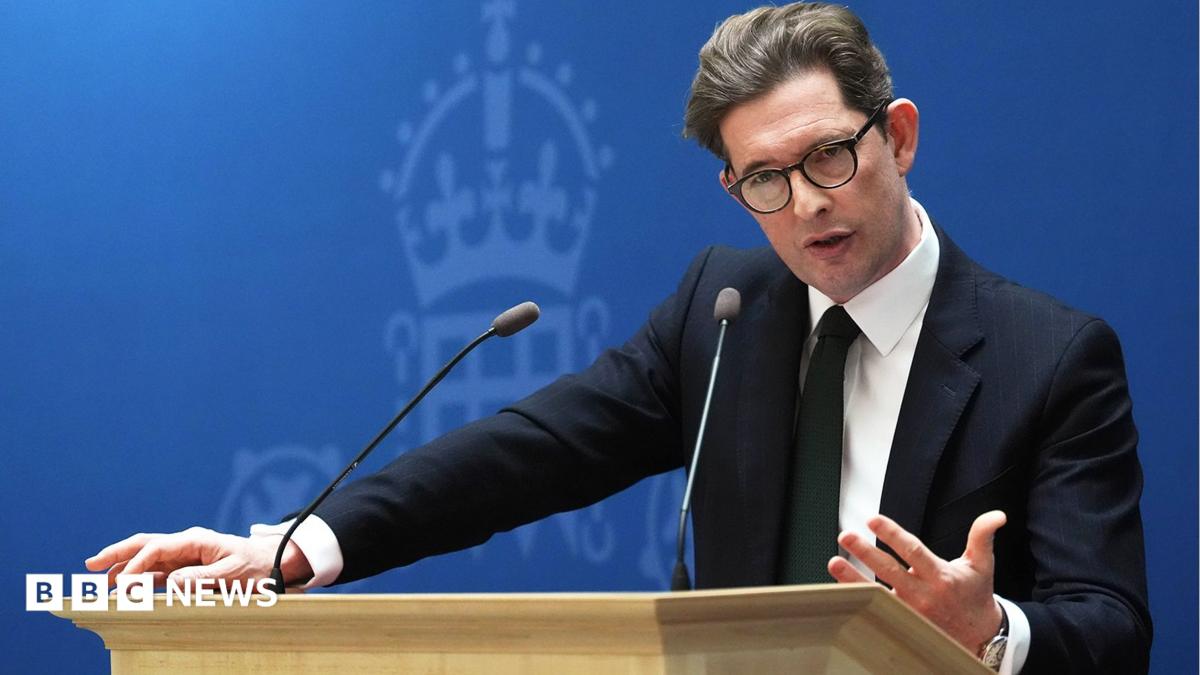
MI5 Director General Ken McCallum warned that state-backed threats from Russia and Iran have surged to match terrorism in counter-intelligence caseloads, compounded by weaponized artificial intelligence.
Geopolitical & Core Developments
In an expansive operational update from London, the Director General of the UK Security Service (MI5), Sir Ken McCallum, revealed that state-backed hostile threats now match counter-terrorism operations in volume and operational urgency. Addressing international intelligence observers, McCallum outlined a dramatically worsened threat landscape driven by the intelligence services of the Russian Federation and the Islamic Republic of Iran, further amplified by rapid developments in generative artificial intelligence.
According to the security chief, Russian military intelligence, particularly the GRU, has embarked on a sustained campaign of sabotage, arson, and subversion across the United Kingdom and continental Europe following Western sanctions over the war in Ukraine. Concurrently, Iranian state networks have escalated domestic kidnapping and assassination plots against political dissidents and media figures within Western borders, commissioning local criminal syndicates to execute state objectives. This hybrid model blends organized crime with sovereign intelligence priorities, creating deniability while testing Western sovereign red lines. McCallum noted that investigative caseloads addressing these state activities rose by more than 48 percent over the past operational cycle.
Global Trade & Economic Ripples
While intelligence disclosures primarily address national security, the commercial ramifications of escalated grey-zone warfare are reshaping international commerce, maritime shipping, and institutional risk premiums. Heightened state-sponsored cyber operations targeting critical national infrastructure threaten energy grids, port terminal operating systems, and clearing networks across Western hubs. Freight and logistics operators face escalating operational vulnerability as digital logistics nodes encounter sophisticated intrusion attempts attributed to state actors.
Furthermore, the targeted weaponization of transport and energy assets reinforces volatility across European commodity markets. Insurance underwriting for maritime vessels operating in vulnerable trade corridors has absorbed sharp risk adjustments due to state-sponsored sabotage fears and regional proxy actions connected to Tehran. Sovereign sanctions and tighter export controls on advanced semiconductors and dual-use hardware, implemented to deny computational resources to hostile states, continue to disrupt semiconductor supply chains, increasing regulatory overheads for multinational corporations operating across key trading blocs.
Related Intelligence: Middle East Escalation Risks Energy Supply Chains Following Strikes on Sanaa
International Reactions & Diplomatic Stances
International defense and diplomatic bodies have echoed London’s warnings, reinforcing the assessment that democratic institutions face persistent hybrid confrontation. European intelligence counterparts in Berlin, Paris, and Warsaw have corroborated the surge in low-level sabotage plots, linking recent logistic hub fires and pipeline monitoring directly to Russian proxies. Across the Atlantic, the United States National Security Council reaffirmed intelligence-sharing commitments through the Five Eyes alliance, emphasizing collective defense against distributed cyber and physical incursions.
Diplomatic responses from Tehran and Moscow have maintained standard official denials, characterizing Western assessments as politicized narratives designed to justify expanded domestic surveillance and defense spending. However, multilateral security bodies, including NATO, have integrated state-sponsored hybrid aggression and proxy sabotage into their broader collective security planning frameworks, signaling that non-conventional attacks against sovereign infrastructure risk triggering escalated diplomatic and economic countermeasures.
Strategic Outlook & Future Scenarios
Looking ahead, intelligence agencies forecast an acceleration of adversarial engagements through algorithmic and AI-driven platforms. Advanced machine learning models have lowered operational barriers, enabling hostile intelligence services to conduct automated reconnaissance, orchestrate real-time financial fraud to fund operations, and scale targeted disinformation campaigns aimed at destabilizing democratic elections.
In the near term, Western governments are anticipated to expand statutory authorities governing national security, tighten digital supply chain audits, and impose coordinated multilateral sanctions targeting criminal syndicates acting on behalf of foreign powers. As geopolitical polarization deepens between Western alliances and revisionist states, global corporations must adjust to an era where corporate assets, digital infrastructure, and supply networks exist as active theaters of geopolitical contestation.
Join Our Official WhatsApp Channel
Receive live commodity alerts, policy changes, and commercial intelligence directly on WhatsApp.