
US Military Buildup Near Iran Elevates Middle East Conflict Risks
Unprecedented US naval deployments near Iran escalate geopolitical tensions, threatening crucial global energy transit routes and commodity markets.
Geopolitical & Core Developments
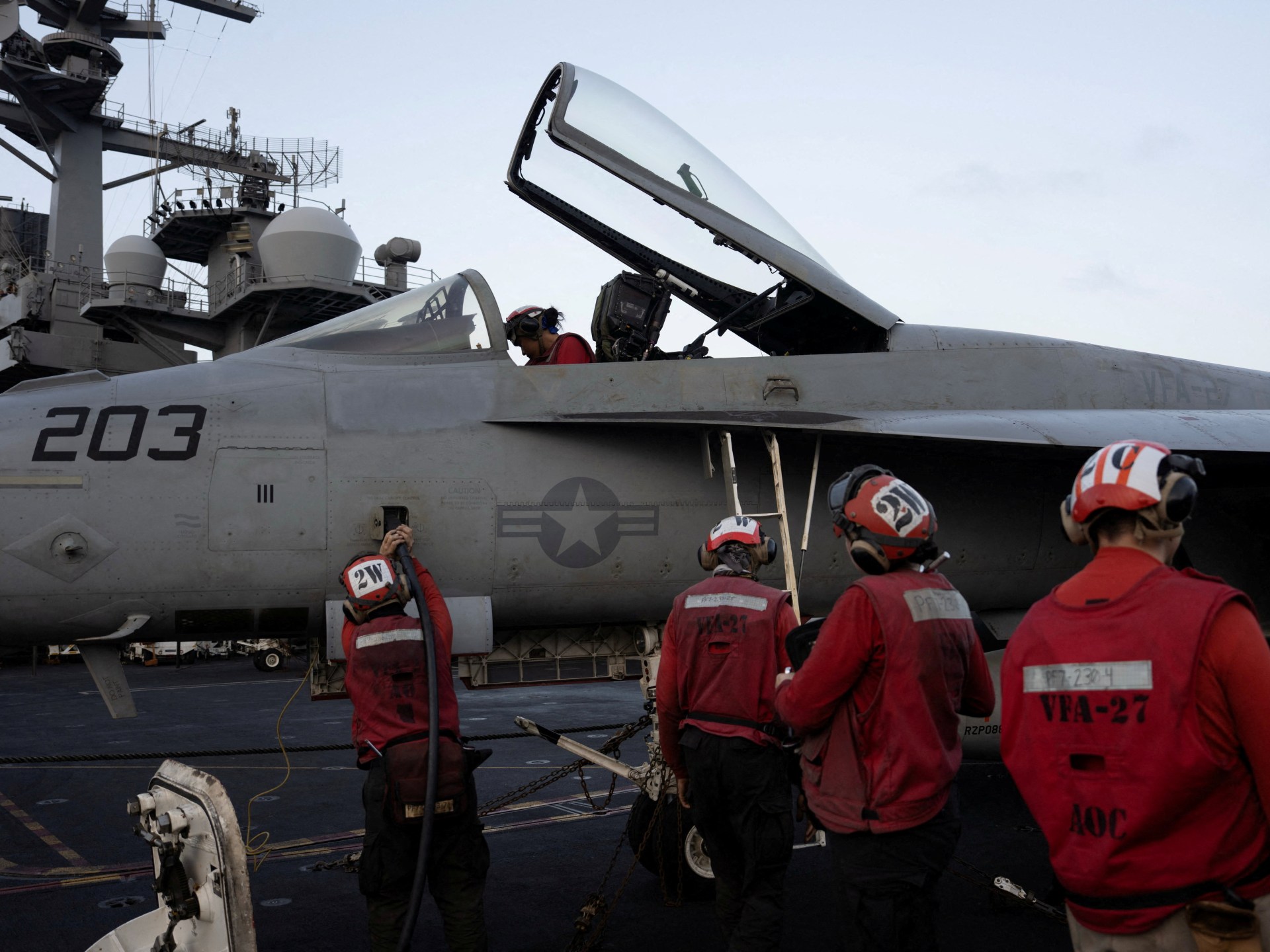
The strategic posture of the United States in the Middle East is undergoing its most significant reinforcement in years. By the close of November, the Pentagon is scheduled to have three nuclear-powered aircraft carriers alongside two amphibious landing groups stationed within striking distance of the Iranian coastline. This massive concentration of naval and air power signals a dramatic shift in Washington's deterrence strategy, raising alarms across international capitals regarding the potential for an unintended escalation into direct military conflict.
At the heart of this deployment is a calculated effort to check Iranian regional proxy networks and deter ballistic missile proliferation. However, military analysts warn that such a dense concentration of offensive capabilities inherently compresses decision-making timelines during crises. State actors across the region, including Gulf Cooperation Council members, find themselves navigating an increasingly precarious diplomatic tightrope. Tehran has characterized the American buildup as an act of blatant intimidation, vowing to defend its territorial sovereignty while maintaining a posture of strategic ambiguity. Diplomatic channels, traditionally relied upon to de-escalate flashpoints, are currently strained as backchannel communications face severe bottlenecks amid mutual distrust.
Global Trade & Economic Ripples
The immediate economic implications of this naval buildup center squarely on the global energy architecture. The Strait of Hormuz, a narrow maritime chokepoint through which approximately one-fifth of the world's petroleum consumption passes daily, remains the primary focal point for commodity traders. Any kinetic conflict or sustained maritime blockade in this corridor would instantly sever critical supply chains, driving benchmark crude oil prices past historical resistance levels.
Beyond hydrocarbons, international trade is bracing for cascading logistical delays. Major container shipping lines are actively reviewing contingency routes to bypass high-risk zones, adding substantial transit days and fuel overheads to Asia-Europe trade lanes. Insurance underwriters have begun escalating war-risk premiums for vessels operating in the Persian Gulf and the Gulf of Oman, directly inflating operational expenditures for maritime exporters and importers alike. Furthermore, safe-haven asset flows have intensified, strengthening the US dollar and applying downward pressure on emerging market currencies heavily reliant on imported energy commodities.
Related Intelligence: Geopolitical Pressures and Academic Tensions Reverberate Across Global Markets
International Reactions & Diplomatic Stances
International bodies and foreign ministries have responded to the escalating posture with palpable apprehension. The United Nations has issued repeated appeals for maximum restraint, emphasizing that maritime security in the Persian Gulf is indispensable for global economic stability. European Union diplomats are engaged in frantic shuttle diplomacy, attempting to preserve the remnants of multilateral frameworks while urging both Washington and Tehran to establish direct de-escalation protocols.
Major market analytics firms have updated their macroeconomic risk models, pricing in a permanent geopolitical risk premium for energy futures. Analysts note that institutional investors are increasingly hedging against worst-case scenarios, moving capital away from vulnerable regional equity markets into defensive sectors. Meanwhile, regional powers such as Saudi Arabia and the United Arab Emirates have emphasized neutrality, publicly advocating for diplomatic dialogue while privately bolstering their own air defense readiness.
Strategic Outlook & Future Scenarios
As the deployment deadline approaches, the trajectory of the crisis hinges on delicate threshold management. Upcoming international summits and G20 diplomatic engagements will serve as critical venues for behind-the-scenes negotiations. Should a diplomatic breakthrough fail to materialize, observers anticipate the implementation of tighter secondary sanctions by Western allies targeting Iranian petrochemical exports and illicit financial networks.
Ultimately, the coming months will test the resilience of global supply chains and the efficacy of modern naval deterrence. Whether this massive force projection successfully compels Tehran back to comprehensive negotiations or precipitates a severe regional conflagration remains the defining geopolitical question for global markets heading into the new year.
Join Our Official WhatsApp Channel
Receive live commodity alerts, policy changes, and commercial intelligence directly on WhatsApp.