
India Election Chief Faces Intense Scrutiny Amid Youth Protests
Protests sweep India as youth movements target the nation's top election bureaucrat, raising questions about democratic governance and investor sentiment.
Geopolitical & Core Developments
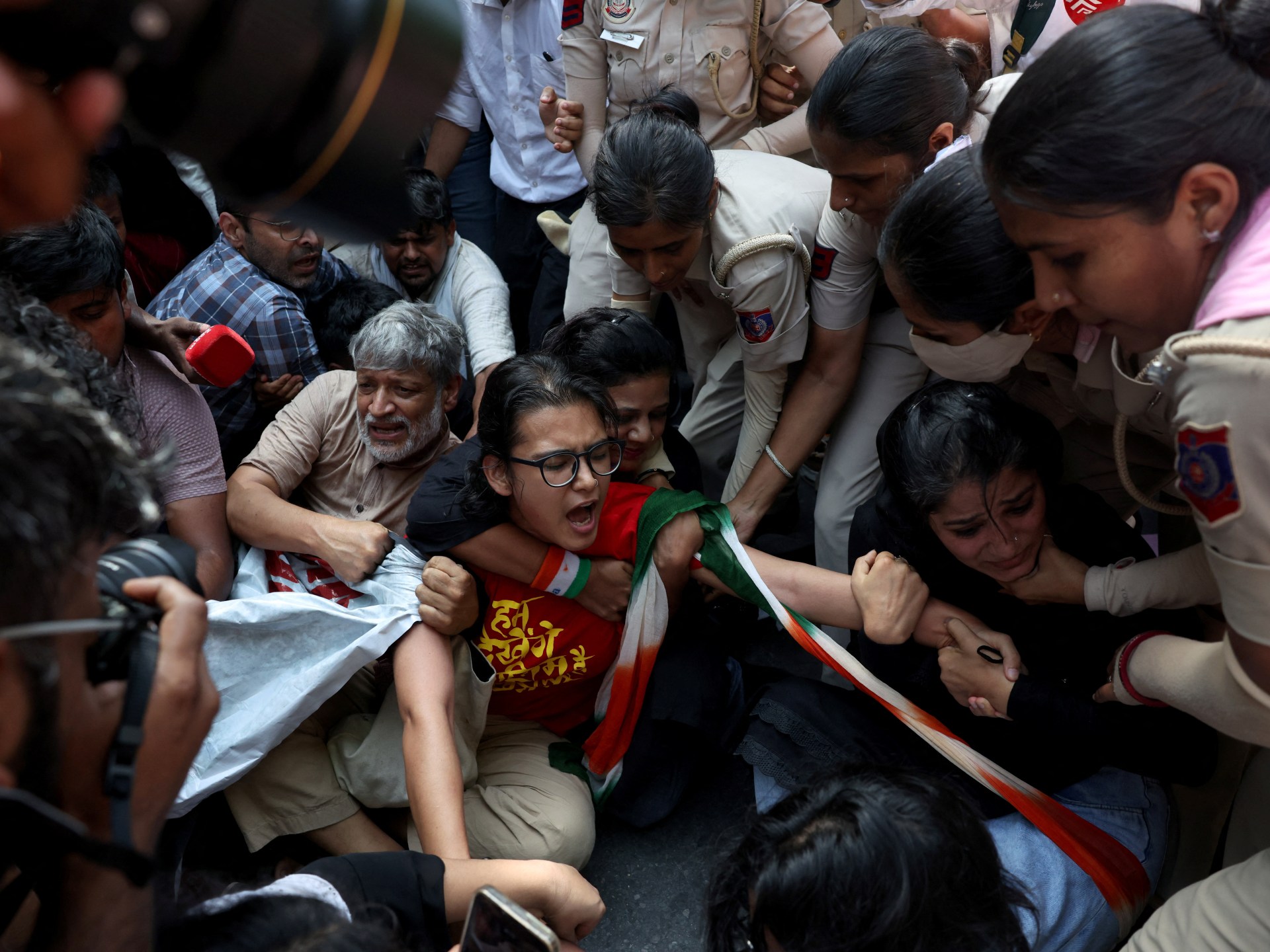
India has witnessed a resurgence of youth-led street demonstrations, crystallizing around a popular movement targeting Prime Minister Narendra Modi's administration and its oversight of the national electoral machinery. At the center of this political firestorm is the nation's chief election bureaucrat, tasked with administering the massive logistics of the world's largest democratic elections. Protesters, adopting the resilient moniker of the cockroach movement to symbolize their persistence against systemic pressures, have taken to major urban centers to voice deep-seated grievances regarding institutional independence, transparency, and the perceived centralization of electoral authority.
The demonstrations reflect a broader societal tension in South Asia's largest economy, where the ruling Bharatiya Janata Party faces pushback from civil society factions concerned about the erosion of independent oversight bodies. The state apparatus has responded with a mix of security containment and political dismissal, framing the protests as partisan disruptions orchestrated by opposition elements. However, the movement's decentralized nature and resonance among university graduates and young professionals have made it difficult for authorities to suppress through conventional administrative measures. The unfolding confrontation highlights a critical juncture for Indian democracy, as civil liberties intersect directly with state-driven administrative centralization.
Global Trade & Economic Ripples
While domestic political unrest in India rarely causes immediate supply shocks to global commodity markets, the structural implications for international commerce are substantial. India remains a vital anchor for global manufacturing supply chains, technology outsourcing, and foreign direct investment (FDI). Persistent political instability and questions surrounding the predictability of regulatory frameworks can introduce risk premiums into long-term capital allocation decisions by multinational corporations.
International investors closely monitor governance metrics, rule of law indicators, and institutional stability when evaluating emerging markets. Any prolonged domestic agitation that questions the integrity of core state institutions can prompt a temporary reassessment of portfolio weightures by global asset managers. Furthermore, as India positions itself as an indispensable alternative manufacturing hub to China under the 'Make in India' initiative, international trade partners are sensitive to any friction that might disrupt policy continuity, infrastructure development, or labor market stability.
Related Intelligence: Indian Electoral Protests Trigger Market Caution and Political Volatility
International Reactions & Diplomatic Stances
Global capitals and multilateral institutions have maintained a cautious diplomatic posture regarding the internal developments in New Delhi, adhering to standard protocols of non-interference in sovereign democratic processes. Western governments, including the United States and European Union members, view India as an indispensable strategic counterweight in the Indo-Pacific region, tempering public criticisms of domestic governance concerns in favor of broader geopolitical alignment on security and technology initiatives.
Human rights organizations and international democracy watchdogs, however, have expressed growing concern over the treatment of civil disobedience and the shrinking space for dissent. These entities emphasize that the credibility of India's international standing as a democratic leader rests heavily on its domestic adherence to institutional checks and balances. Financial analysts and emerging market risk consultancies have begun incorporating these socio-political friction points into their baseline assessments, advising clients to monitor the trajectory of civil unrest as a leading indicator of potential regulatory volatility.
Strategic Outlook & Future Scenarios
Looking ahead, the trajectory of the youth-led movement will depend heavily on the government's willingness to engage in institutional dialogue or whether authorities choose a path of hardline containment. As India prepares for upcoming regional legislative cycles and national policy milestones, the political friction surrounding the election commission is unlikely to dissipate quickly. If the movement sustains its momentum, it could galvanize a fragmented opposition and reshape the political calculus ahead of future electoral contests.
For international commerce and foreign investors, the primary watchpoints will be legislative responses to administrative transparency, freedom of assembly rulings by the judiciary, and the overall stability of the regulatory environment. While India's macroeconomic fundamentals remain robust, navigating this complex socio-political landscape requires heightened risk management strategies to account for unexpected domestic policy shifts and potential reputational risks for multinational enterprises operating within the region.
Join Our Official WhatsApp Channel
Receive live commodity alerts, policy changes, and commercial intelligence directly on WhatsApp.