
Pakistan Confirms High-Level Riyadh Talks on Regional Security and Trade
Deputy Prime Minister Ishaq Dar announced an upcoming Riyadh meeting of the Makkah Defence Alliance committee to address Houthi attacks on Saudi Arabia following UNGA engagements.
The Core Development
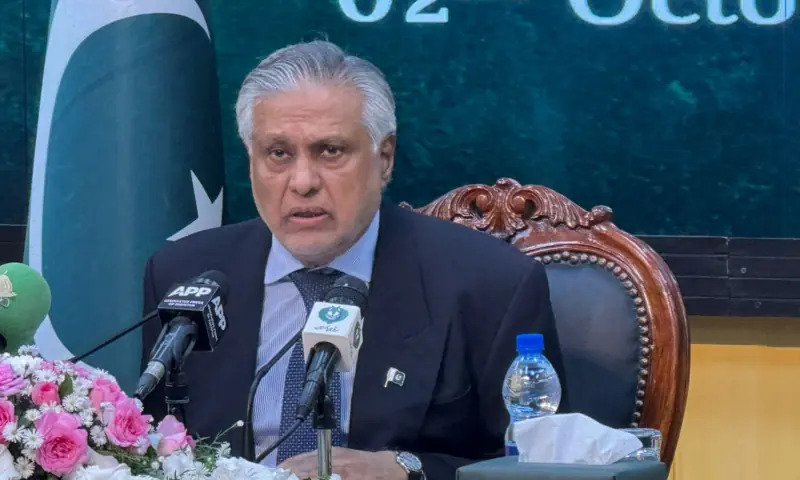
Deputy Prime Minister and Foreign Minister Ishaq Dar announced on Friday that the Strategic Political Defence Committee (SPDC) of the Makkah Defence Alliance is scheduled to convene in Riyadh next week. The high-level diplomatic and military consultations will focus extensively on the persistent security threats posed by Houthi drone and missile attacks targeting the territorial integrity and critical infrastructure of Saudi Arabia.
Addressing a comprehensive press briefing in Islamabad, the deputy premier detailed the outcomes of Pakistan's diplomatic engagements during the 81st session of the United Nations General Assembly (UNGA) in New York. The discussions on the sidelines of the UNGA laid the groundwork for this forthcoming defense alliance meeting, underscoring Islamabad's enduring strategic partnership with Riyadh. The SPDC framework serves as a vital multilateral platform for coordinating joint security postures, intelligence sharing, and regional defense strategies among participating member states.
Commercial & Economic Implications
For an import-dependent economy like Pakistan, stability in the Gulf region remains inextricably linked to domestic macroeconomic indicators, energy security, and foreign exchange reserves. Saudi Arabia stands as a cornerstone of Pakistan's external financial support, energy supply chains, and remittance inflows. Unresolved security volatilities and infrastructure attacks on Saudi oil facilities inherently risk triggering crude price shocks on global markets, which immediately cascades into domestic inflationary pressures, elevated petroleum prices, and widened current account deficits for Pakistan.
Furthermore, secure shipping lanes and uninterrupted trade routes across the Red Sea and Arabian Peninsula corridors are vital for Pakistani exporters and wholesale distributors operating within the Middle Eastern trade ecosystem. Any escalation in regional hostilities threatens container freight rates, insurance premiums, and supply chain timelines, ultimately dampening retail trade margins and increasing the cost of doing business for commercial enterprises represented by trade bodies such as Kalyar Traders.
Stakeholder Perspectives & Market Reactions
Business councils, corporate leaders, and trade associations in Pakistan have closely monitored diplomatic developments concerning Gulf security architecture. Industry stakeholders emphasize that strategic defense alignments must translate into predictable economic environments that safeguard expatriate worker remittances—which crossed billions of dollars annually from Saudi Arabia—and ensure stable bilateral trade agreements.
Foreign policy analysts and defense commentators note that Pakistan's active participation in the Makkah Defence Alliance reinforces its traditional security commitments to the Kingdom while balancing a delicate diplomatic tightrope in the wider Middle East. Market participants and financial analysts have maintained a cautious outlook, assessing how strengthened defense cooperation could yield deeper economic concessions, deferred oil payment facilities, and expanded bilateral investments from Riyadh in the medium term.
Forward Outlook & Key Watchpoints
As the SPDC delegation prepares to depart for Riyadh next week, attention shifts toward the concrete deliverables and policy resolutions emerging from the committee sessions. Key watchpoints for financial markets and policymakers include potential joint intelligence-sharing mechanisms, defensive hardware coordination, and statements regarding energy corridor protection.
For Pakistan's economic managers, the stabilization of energy prices and the continuation of financial backing from Gulf capitals remain critical variables in sustaining the ongoing International Monetary Fund (IMF) stabilization program. The outcomes of the Riyadh talks will provide crucial signals regarding the resilience of regional trade networks and the security parameters governing Pakistan-Saudi economic ties for the remainder of the fiscal year.
Join Our Official WhatsApp Channel
Receive live commodity alerts, policy changes, and commercial intelligence directly on WhatsApp.