
Trump Administration Explores Legal Pathways to Revoke Ilhan Omar Citizenship
The Trump administration has launched an inquiry examining the naturalization records of Representative Ilhan Omar, signaling an unprecedented legal push to strip a sitting lawmaker of US citizenship.
Geopolitical & Core Developments
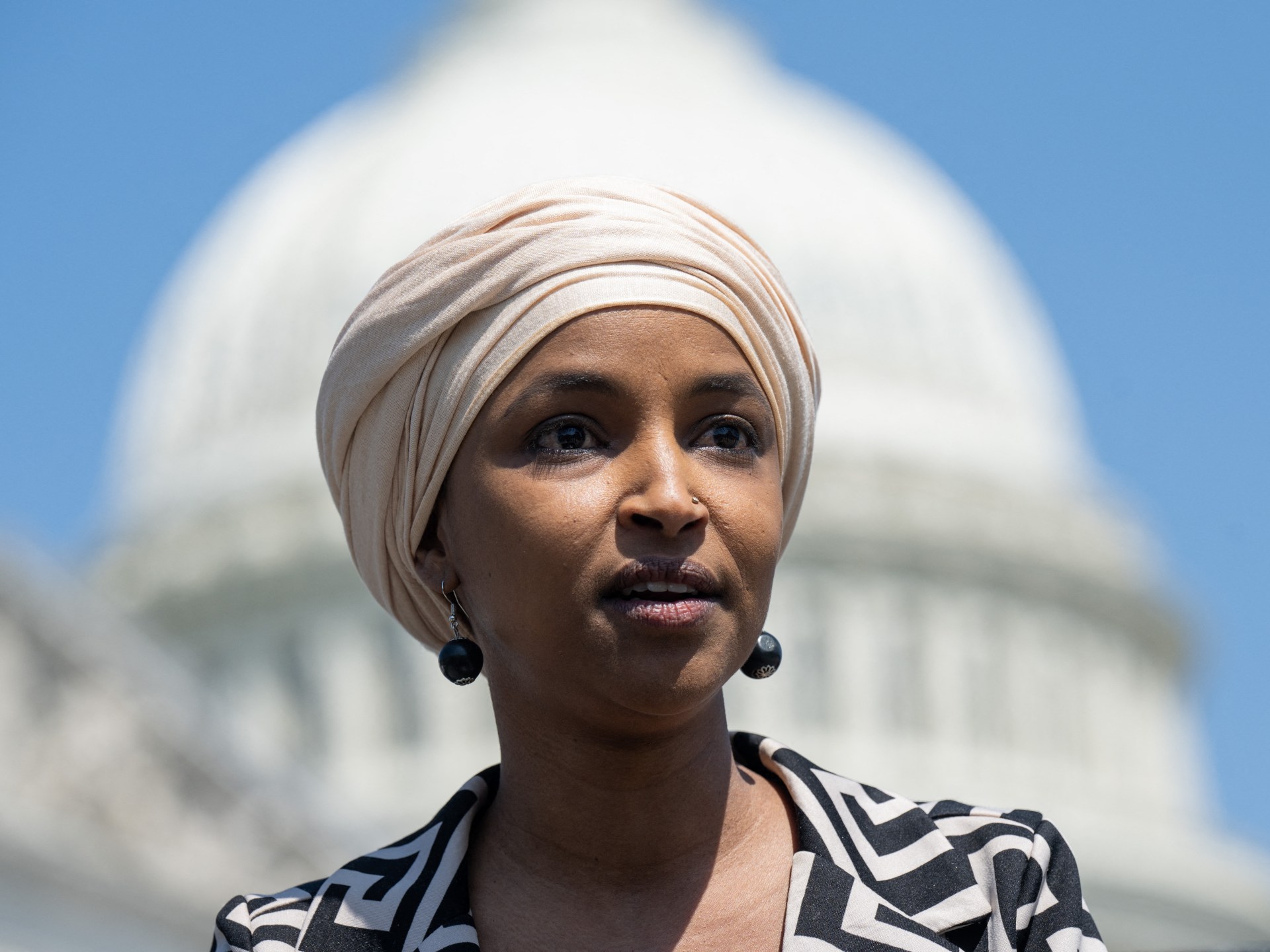
The United States political landscape faces fresh constitutional friction following reports that the Trump administration has directed federal investigators to scrutinize the citizenship status of Representative Ilhan Omar. According to reporting by The Wall Street Journal, federal authorities have issued subpoenas to family members and conducted extensive audits of historical immigration dossiers dating back to Omar's arrival as a Somali refugee in the mid-1990s. The stated aim of the probe centers on evaluating grounds for denaturalization, a civil legal maneuver historically reserved for severe cases of documented fraud, espionage, or war crimes.
Omar, a prominent progressive Democrat representing Minnesota's 5th congressional district and the first Somali-American elected to the US Congress, has long been a vocal critic of the administration's foreign policy doctrines and domestic immigration crackdowns. Legal scholars note that denaturalizing a sitting member of the legislature carries immense constitutional gravity, challenging long-standing jurisprudence on legislative autonomy, the finality of naturalization, and executive overreach. The strategic intent appears dual-faceted: mobilizing domestic conservative constituencies ahead of upcoming electoral contests while sending a chilling signal across foreign-born civic leadership.
Global Trade & Economic Ripples
While predominantly a domestic constitutional confrontation, the escalating weaponization of sovereign citizenship frameworks exerts distinct pressures on broader macroeconomic confidence. The United States' reputation as a predictable destination for foreign direct investment, specialized global talent, and cross-border commercial ventures relies heavily on stable legal institutions and equitable property rights. An unpredictable legal environment where naturalized legal status remains vulnerable to political headwinds risks deterring international diaspora investments and high-skilled migration pipelines crucial to North American technology and research corridors.
Furthermore, institutional unpredictability in Washington often reflects across foreign exchange and sovereign debt dynamics. Heightened political polarization complicates federal fiscal appropriations, trade agreements, and bilateral tariff negotiations. Multilateral supply chains—already contending with sovereign protectionism and regulatory fragmentation—face ancillary risks when global markets perceive a baseline erosion of institutional norms within the world's primary reserve currency issuer.
Related Intelligence: Mexican Court Dismisses Case Against Official Over Fatal Migrant Fire
International Reactions & Diplomatic Stances
International bodies and diplomatic observers have monitored the inquiry with mounting concern. Human rights monitors within the United Nations framework have frequently cautioned against retroactively undermining citizenship protections, noting that arbitrary denaturalization risks setting a destabilizing international precedent for minority rights. Analysts within African Union member states have expressed unease over the disproportionate scrutiny placed on prominent figures of the African diaspora, which could complicate bilateral diplomatic engagement between Washington and East African partners.
Domestically, congressional allies have condemned the proceedings as an authoritarian abuse of federal investigative machinery designed to intimidate elected officials. Conversely, administration spokespersons have maintained that federal agencies possess an unequivocal obligation to verify the integrity of immigration documentation and combat fraud across all jurisdictional tiers, regardless of an individual's public or political standing.
Strategic Outlook & Future Scenarios
The trajectory of the investigation is expected to trigger significant judicial review before any formal court filing can advance. Federal denaturalization proceedings require the Department of Justice to meet an exceptionally high burden of clear, unequivocal, and convincing evidence in federal district court, a standard that has historically led to protracted litigation. Civil liberties organizations are already preparing legal interventions to contest the subpoenas and forestall executive action.
Over the medium term, the confrontation will exacerbate partisan hostility on Capitol Hill, impairing legislative collaboration on broader federal budgets, foreign aid packages, and strategic trade authorizations. If the administration persists in formally litigating the revocation of Omar's naturalization, the case will undoubtedly ascend to appellate courts and the US Supreme Court, generating structural ramifications for immigration law, constitutional safeguards, and international perceptions of American democratic governance.
Join Our Official WhatsApp Channel
Receive live commodity alerts, policy changes, and commercial intelligence directly on WhatsApp.