
US Considers MOAB Strikes on Iran Amid Rising Regional Escalation
Reports indicating potential US deployment of massive conventional ordnance against Iranian infrastructure have intensified regional security anxieties, threatening volatile energy markets and trade channels across South Asia.
The Core Development
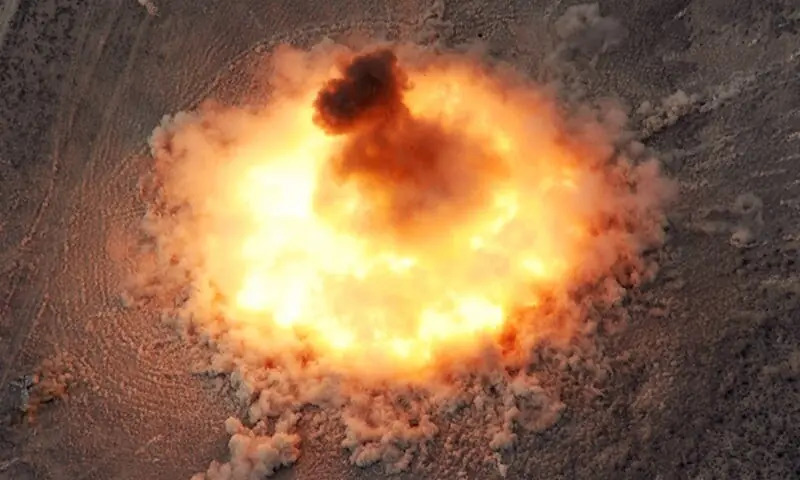
Washington defense circles are actively deliberating operational options to deploy the United States military's most potent conventional weapon, the GBU-43/B Massive Ordnance Air Blast (MOAB)—colloquially designated the 'Mother of All Bombs'—against strategic assets inside Iran, according to reports sourced from senior defense officials. The tactical shift emerges amid an operational impasse in ongoing military engagements and heightened regional friction.
The GBU-43/B, weighing approximately 21,600 pounds with an explosive yield equivalent to 11 tons of TNT, is precision-guided and engineered to obliterate deeply buried subterranean complexes, fortified bunkers, and sprawling surface facilities. Intelligence and defense planners suggest that targets under consideration encompass critical Iranian energy distribution networks, coastal logistics installations, and fortified enrichment infrastructure. Political analysts underscore that the timing coincides with acute domestic political considerations in the United States, as the administration seeks leverage ahead of upcoming electoral contests despite prevailing domestic pushback against prolonged Middle Eastern entanglements. Should direct kinetic strikes proceed, the conflict risks transitioning from contained posturing into unconstrained regional warfare.
Commercial & Economic Implications
For regional frontier economies, particularly Pakistan, the prospect of targeted strikes against Iranian energy assets constitutes an acute macroeconomic vulnerability. Immediate market disruption is anticipated across the hydrocarbon complex. Global benchmark crude prices—already volatile due to Gulf transit uncertainties—face sudden premiums that will inevitably filter down to domestic energy tariffs, transport logistics, and retail petroleum pricing in Pakistan.
Pakistan relies heavily on fragile supply chains across its southwestern borders. Sustained kinetic escalation along the Pak-Iran corridor threatens formal barter trade mechanisms and cross-border commercial shipments of petrochemicals, liquefied petroleum gas (LPG), and agricultural commodities. A sharp uptick in global oil benchmarks will immediately widen Pakistan's import bill, placing renewed pressure on foreign exchange reserves and precipitating secondary inflationary pressures across consumer goods, wholesale manufacturing inputs, and transportation sectors. Small-to-medium retail distribution networks operating along the Balochistan border corridor risk near-total transactional disruption should border security tighten to conflict-ready posture.
Related Intelligence: Retail Friction Exposes Broader Global Consumer Trends and Cultural Divides
Stakeholder Perspectives & Market Reactions
Regional commodity traders, industrial conglomerates, and financial institutions are monitoring the developments with severe caution. The Karachi Chamber of Commerce and Industry (KCCI) alongside regional trade bodies have frequently highlighted that energy price shocks remain the single largest threat to local manufacturing margins and export competitiveness. Exporters fear that any disruption in the Strait of Hormuz will trigger exorbitant maritime insurance surcharges, elevating freight rates on outbound textile and commodity shipments to Europe and the Middle East.
Geopolitical analysts and diplomatic observers note that regional stability hinges on de-escalation, warning that an aggressive strike using heavy munitions would inevitably prompt asymmetrical retaliation against commercial shipping lanes and Gulf energy production nodes. Diplomatic missions across Islamabad and regional capitals continue to advocate for restraint, recognizing that a full-scale confrontation would decimate regional economic integration frameworks.
Forward Outlook & Key Watchpoints
The immediate trajectory of this crisis depends on whether the Pentagon moves from scenario planning to tactical asset prepositioning in the region. Observers must closely monitor the deployment patterns of US heavy transport and strike aircraft capable of handling the MOAB, particularly MC-130 platforms stationed in regional operating bases.
Key watchpoints over the coming weeks include crude spot market reactions, fluctuations in war-risk maritime insurance premiums, and bilateral border movement policies enforced by Pakistani and Iranian customs authorities. If operational authorizations proceed, regional supply chains must prepare for acute import inflation, sudden adjustments in state utility pricing, and significant realignment of import-export corridors across South Asia.
Join Our Official WhatsApp Channel
Receive live commodity alerts, policy changes, and commercial intelligence directly on WhatsApp.