
Deadly School Structural Collapse in Peshawar Stirs Pakistan Infrastructure Concerns
A devastating structural collapse at a private school in Peshawar, Pakistan, killed at least 29 people, triggering intense scrutiny over building standards and governance across the country.
Geopolitical & Core Developments
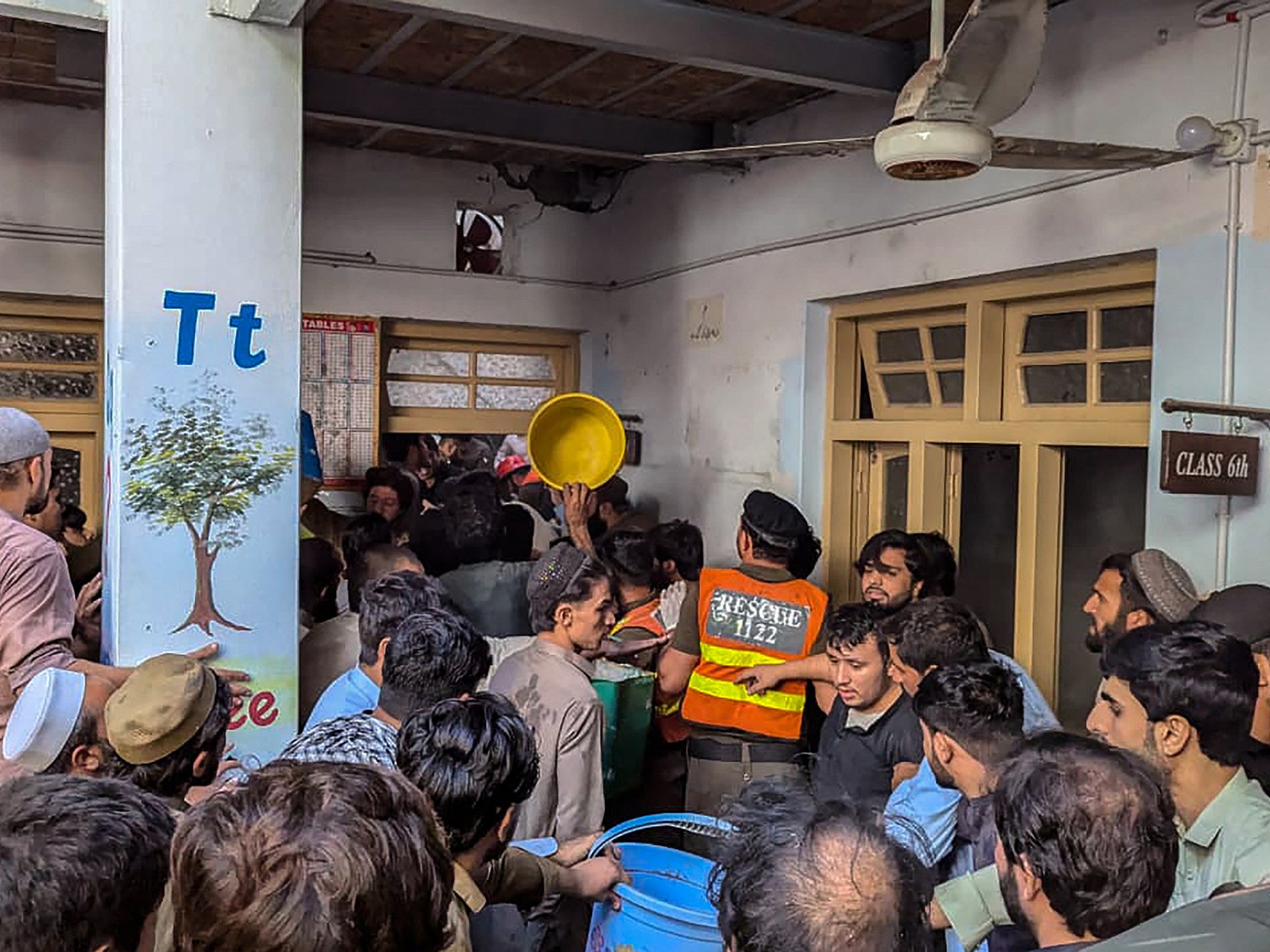
A catastrophic structural failure at the Al-Khair Education Center in Peshawar, the provincial capital of Khyber Pakhtunkhwa in northwestern Pakistan, has claimed the lives of at least 28 students and one teacher. Emergency response units and military rescue teams were deployed to clear concrete debris and recover survivors, with dozens admitted to tertiary healthcare facilities across the city, many in critical condition. The collapse occurred during morning instruction hours, trapping children beneath reinforced concrete slabs that gave way without prior warning.
Preliminary investigations indicate unauthorized structural modifications and chronic non-compliance with municipal zoning and seismic building codes. The tragedy brings into sharp focus the governance vulnerabilities of Khyber Pakhtunkhwa, a border province navigating longstanding fiscal stress, socio-political instability, and administrative fragmentation. Provincial authorities announced a comprehensive inquiry and suspended local zoning officials, but domestic civil society groups have warned that systemic corruption and inadequate municipal enforcement routinely compromise civilian infrastructure across Pakistan.
Global Trade & Economic Ripples
While localized in immediate casualty impact, the disaster reverberates across Pakistan's broader domestic economy and international development portfolios. Structural failures of this magnitude expose fundamental governance risks within South Asia's real estate and commercial construction markets. Substandard building materials, including compromised cement batches and adulterated steel rebar, represent persistent supply-chain vulnerabilities affecting public procurement contracts funded by multilateral lenders.
Pakistan remains reliant on international financing mechanisms, including development assistance from the Asian Development Bank (ADB), the World Bank, and bilateral partners. Heightened scrutiny over regulatory compliance could slow disbursement timelines for provincial social infrastructure projects. Furthermore, institutional failures undermine foreign investor confidence in domestic municipal governance, dampening public-private partnerships necessary for modernization drives within urban industrial corridors. Domestic commodity demand for high-grade construction materials may see temporary shifts as provincial authorities mandate emergency structural audits across educational institutions.
Related Intelligence: Parliament Debates Governor Rule in Khyber Pakhtunkhwa Amid Economic Uncertainty
International Reactions & Diplomatic Stances
The United Nations Children's Fund (UNICEF) issued an immediate statement extending condolences while urging South Asian governments to prioritize the enforcement of safe school protocols and resilient physical infrastructure. Multilateral development bodies noted that safe learning environments are a core prerequisite under the Sustainable Development Goals (SDGs), particularly in regions vulnerable to seismic activity and rapid urban expansion.
Diplomatic missions from regional partners and Western embassies expressed formal condolences, reiterating ongoing technical assistance programs designed to elevate civic planning standards. International human rights monitors underscored that the proliferation of unregulated private educational facilities reflects broader state underinvestment in public schooling, forcing low- and middle-income families into hazardous, substandard private compounds operating without municipal certification.
Strategic Outlook & Future Scenarios
In the near term, the government of Khyber Pakhtunkhwa faces intense domestic political pressure to hold municipal inspectors and school administrators criminally accountable. Federal authorities are likely to announce nationwide reviews of private school construction standards, though past precedents suggest enforcement could stall amid bureaucratic inertia and local patronage networks.
Over the medium horizon, multilateral lenders and donor agencies are expected to tighten due diligence mechanisms on educational and urban development grants. Pakistan's sovereign credit profiles and developmental funding negotiations with international financial institutions will increasingly incorporate rigorous governance and project-monitoring benchmarks. Without institutionalized reforms in zoning enforcement and building material certification, Pakistan risks recurring infrastructure emergencies that compound its existing macroeconomic and socio-political challenges.
Join Our Official WhatsApp Channel
Receive live commodity alerts, policy changes, and commercial intelligence directly on WhatsApp.