
Tehran Vows Prolonged Resistance as Tankers Sink Across Hormuz Strait
Tehran has pledged sustained military engagement until the United States yields to its strategic demands, as sinking merchant vessels in the Strait of Hormuz severely disrupt global energy distribution corridors.
Geopolitical & Core Developments
Tensions across the Middle East escalated dramatically following an official declaration from Tehran asserting that while the Islamic Republic does not pursue an endless regional conflict, it is prepared to sustain military operations until the United States fully capitulates to its geopolitical and security demands. The uncompromising stance arrived concurrently with reports of multiple commercial vessels and oil tankers sustaining catastrophic damage and sinking within the vital waters of the Strait of Hormuz.
The strategic waterway, through which approximately one-fifth of the world's liquid petroleum passes, has transformed into an active theater of kinetic confrontation. Iranian military officials reiterated that naval and asymmetric operations would persist as long as international sanctions, naval blockades, and targeted military deployments from Washington remain in effect. Observers note that the rapid succession of attacks and maritime interdictions indicates a deliberate shift by Tehran toward leveraging its asymmetric control over maritime chokepoints, challenging the United States' long-standing security architecture in the Persian Gulf.
Global Trade & Economic Ripples
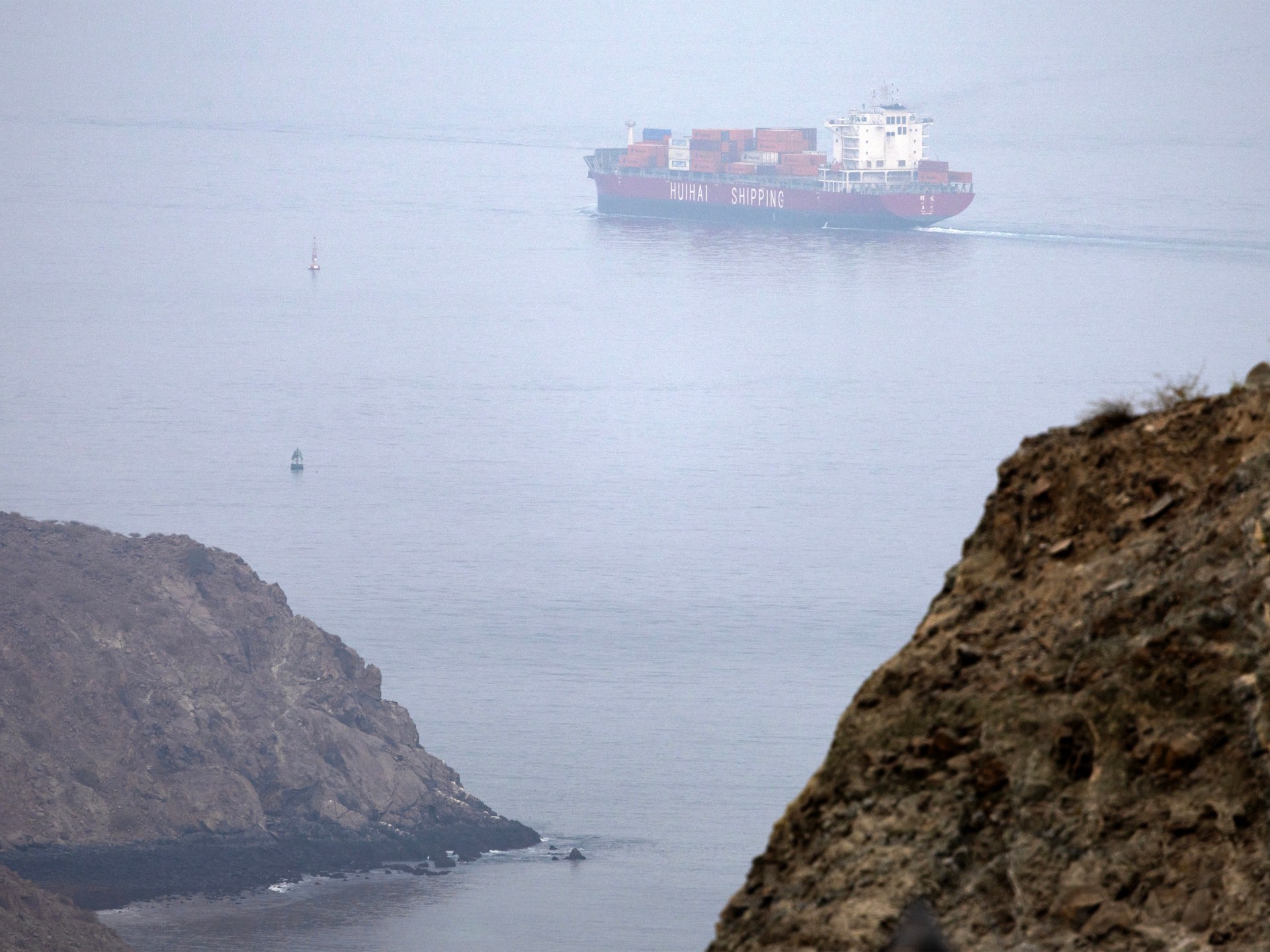
The immediate consequence of targeted strikes and vessel losses in Hormuz has reverberated across global commodity desks and maritime corridors. Brent crude futures surged as energy traders priced in severe, sustained supply dislocations. Major international container shipping conglomerates and independent tanker operators have systematically suspended navigation through the Strait of Hormuz, choosing either to anchor fleet assets in safe anchorages or reroute voyages around the Cape of Good Hope, adding significant transit time and operating costs.
Simultaneously, maritime underwriters at Lloyd's and other prominent syndicates have dramatically increased war-risk premiums for Persian Gulf transit, rendering standard voyages economically unviable for unhedged operators. Beyond crude oil, liquefied natural gas exports originating from Qatar and regional petrochemical exports face substantial operational paralysis. Supply chain analysts warn that prolonged interruptions will inevitably feed downstream inflation in import-dependent industrial hubs across East Asia and Western Europe, placing renewed downward pressure on emerging market currencies.
International Reactions & Diplomatic Stances
Global capitals have responded with urgent calls for de-escalation alongside heightened defense alerts. United Nations leadership issued a direct appeal to both Washington and Tehran, emphasizing that an unchecked naval confrontation in Hormuz threatens the baseline stability of the international economic order. The UN Secretary-General urged an immediate cessation of maritime targeting and the resumption of multilateral diplomatic channels.
In Washington, the White House affirmed that the United States military retains both the capability and legal mandate to protect freedom of navigation, warning Tehran of direct retributive consequences should further civilian or allied assets be targeted. Conversely, regional powers and key energy importers, including Beijing, Tokyo, and New Delhi, have appealed for restraint. Chinese diplomatic envoys emphasized that safeguarding critical global maritime lanes remains a shared international obligation, urging both sides to avoid actions that trigger an irreversible commercial catastrophe.
Strategic Outlook & Future Scenarios
The crisis stands at a critical tipping point with limited diplomatic off-ramps in immediate view. If Washington opts for targeted strikes against coastal missile batteries and naval installations along the Iranian coastline, Tehran is anticipated to expand its retaliatory envelope toward regional infrastructure, further compounding supply risks. Alternatively, concerted diplomatic mediation by neutral regional intermediaries could attempt to establish temporary maritime safe corridors, though such arrangements remain contingent on mutual concessions regarding economic sanctions and naval posture.
In the absence of a verified ceasefire or security framework, global markets are bracing for sustained price volatility across crude oil, freight, and agricultural commodities reliant on regional inputs. The forthcoming sessions at the United Nations Security Council will serve as a definitive barometer of whether multilateral diplomacy can contain the conflict or if maritime commerce must permanently adapt to a fractured and contested Persian Gulf.
Join Our Official WhatsApp Channel
Receive live commodity alerts, policy changes, and commercial intelligence directly on WhatsApp.