
Violent Student Protests in Tirana Threaten Albania Economic Stability and EU Integration
Escalating youth protests in Albania have resulted in clashes and arson attacks on government ministries, posing direct challenges to Prime Minister Edi Rama administration and regional economic stability.
Geopolitical & Core Developments
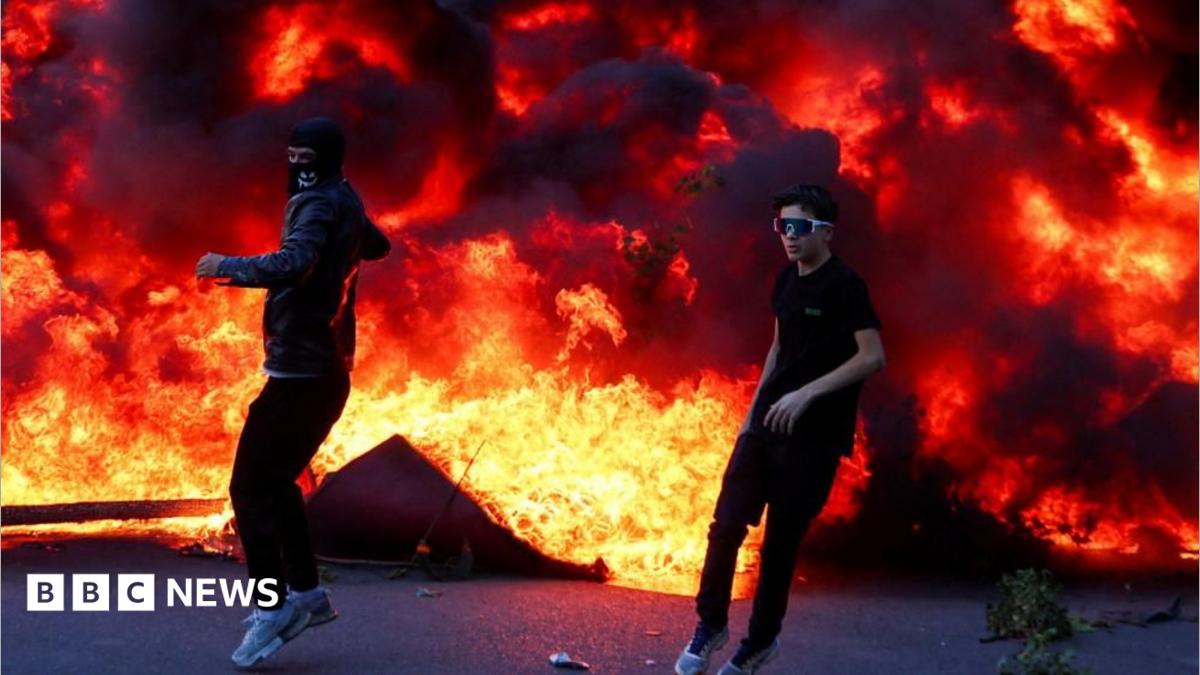
Mass civic unrest escalated sharply across Albania capital city of Tirana this week, as thousands of university students and youth activists clashed with state security forces. What initially began as peaceful rallies demanding subsidised tuition, upgraded campus infrastructure, and systematic anti-corruption reforms rapidly deteriorated into severe street confrontations. Several administrative headquarters, including segments of government ministries, sustained damage from targeted arson and projectile attacks.
The unrest reflects deep-seated socio-economic grievances across the Western Balkan nation. Despite recording sustained macro-level gross domestic product growth over recent quarters, youth unemployment remains structurally elevated above twenty percent. This economic disparity has driven persistent brain drain and mass migration toward Western Europe. The administration of Prime Minister Edi Rama deployed rapid-response police units and tear gas to secure administrative districts, accusing political opposition elements of exploiting student frustration to orchestrate violent insurrections.
Opposition factions and civil rights groups have countered government accusations, arguing that prolonged state neglect, institutional patronage, and diminishing purchasing power left students with few viable avenues for democratic redress. The developments underscore persistent governance vulnerabilities across the post-communist transition economies of Southeast Europe, where institutional trust remains exceptionally fragile.
[Global Trade](/news/yemen-war-scenarios-houthi-red-sea-trade-impact) & Economic Ripples
While Albania represents a modest portion of overall European commercial turnover, escalating unrest carries measurable risks for regional logistics, direct investment, and trans-Balkan supply chains. Tirana serves as an essential transit juncture for regional corridors connecting Adriatic port terminals, such as Durres, with inland Balkan markets spanning North Macedonia and Kosovo. Ongoing civic volatility threatens freight operations and terminal throughput along these multimodal transit routes.
Foreign direct investment flows, which have focused heavily on coastal tourism infrastructure, renewable energy developments, and commercial real estate, face immediate repricing of political risk. International sovereign and corporate bond yield spreads tied to Albanian debt face upward pressure, reflecting heightened default and governance premiums. Furthermore, the mining and agricultural export sectors—vital sources of foreign currency reserves—face structural disruption if civic strikes expand to transport workers and municipal logistics hubs.
Regional energy trade could experience downstream friction. Albania serves as an operational transit zone for the Trans Adriatic Pipeline, a strategic component of the Southern Gas Corridor delivering natural gas from the Caspian region to Western Europe. While pipeline facilities remain secured by national infrastructure detachments, broader instability could complicate scheduled grid modernisation projects and regional interconnection initiatives backed by European development banks.
Related Intelligence: Pakistan and Oman Deepen Bilateral Trade and Regional Peace Efforts
International Reactions & Diplomatic Stances
The European Commission issued an urgent diplomatic demarche urging all parties to exercise restraint, safeguard democratic assembly rights, and refrain from damaging critical public infrastructure. European Union diplomats in Tirana reiterated that administrative and judicial transparency, combined with constructive institutional dialogue, remain vital prerequisites for Albania ongoing EU accession negotiations.
The United States Embassy in Tirana condemned the violent attacks against public property while affirming that the right to peaceful assembly must be vigorously protected by law enforcement authorities. Regional sovereign partners, including Italy and Greece, are observing developments closely, mindful that deteriorating economic and security conditions inside Albania have historically generated irregular migration surges across the Adriatic and Ionian corridors.
International rating agencies and multilateral institutions, including the World Bank, have cautioned that protracted domestic unrest risks reversing hard-won fiscal consolidation measures and structural reforms implemented over the preceding decade.
Strategic Outlook & Future Scenarios
Over the near term, the crisis hinges on the central government capacity to offer substantive policy concessions without appearing to capitulate to street violence. Prime Minister Rama faces compounding pressure to announce emergency fiscal allocations for tertiary education, modernise student accommodation, and establish credible anti-patronage oversight mechanisms.
Should the executive maintain an uncompromising security posture, the protests risk metastasising into a broader anti-government coalition incorporating organized labour, public transport unions, and agrarian collectives. Under such an escalation scenario, Albania pathway toward formal EU integration would encounter severe friction, discouraging critical multilateral financing windows and compounding capital flight. Conversely, the swift formation of an institutional mediation council could de-escalate street clashes, transitioning student demands into actionable parliamentary reforms and restoring commercial stability to Tirana.
Join Our Official WhatsApp Channel
Receive live commodity alerts, policy changes, and commercial intelligence directly on WhatsApp.