
Costa Rica Opens Mega-Prison as Bukele Security Model Expands Regionally
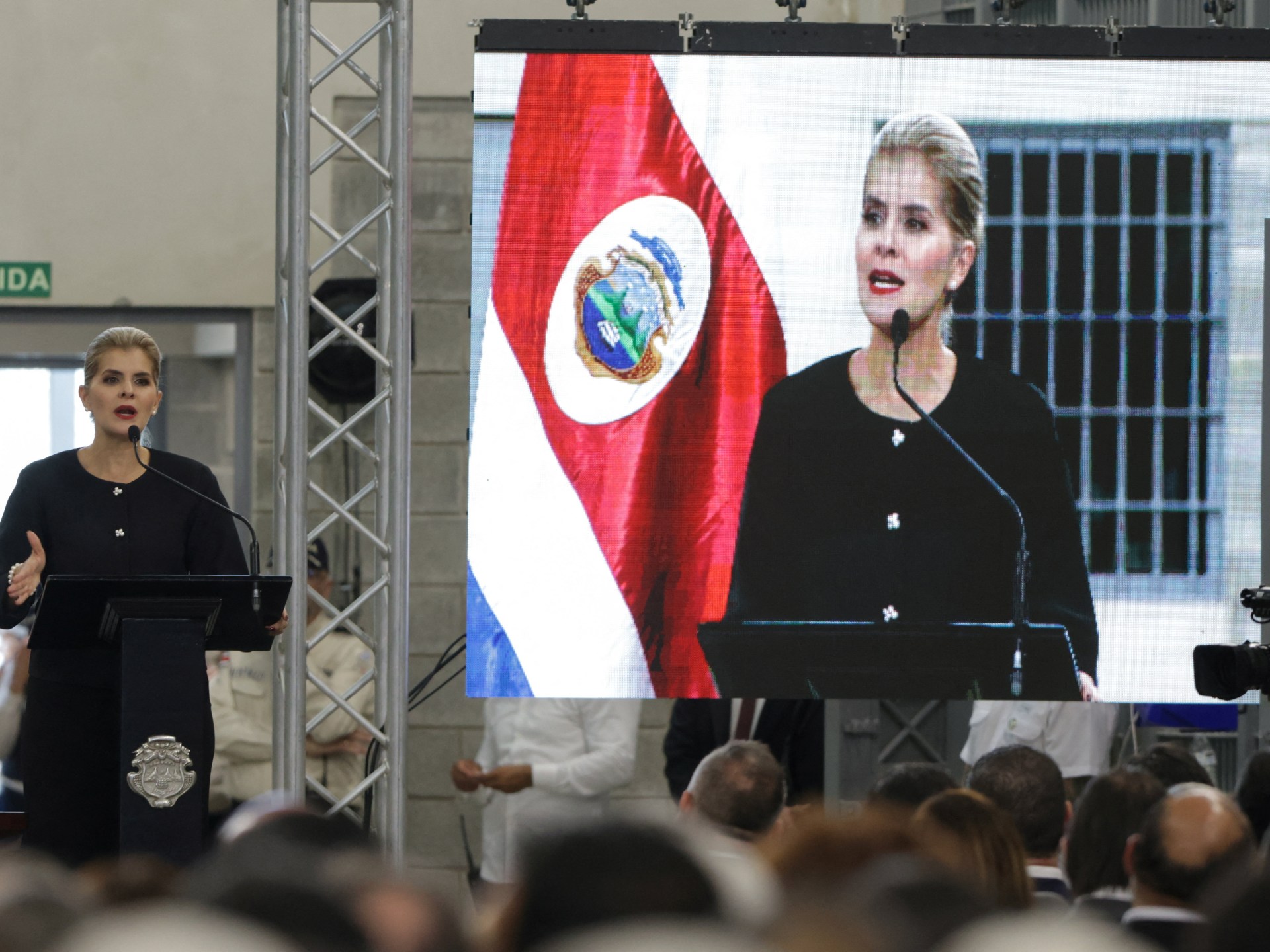
Costa Rica has inaugurated a maximum-security mega-prison, reflecting a broader regional shift across Latin America toward hardline penal policies modeled after El Salvador.
Geopolitical & Core Developments
Costa Rica has officially inaugurated a new maximum-security penitentiary, marking an unprecedented operational shift for a nation historically celebrated for demilitarization, institutional stability, and judicial restraint. Announced by the administration as a central pillar of an aggressive anti-crime strategy, the facility directly mirrors the mega-prison doctrine pioneered by Salvadoran President Nayib Bukele. The decision highlights growing regional desperation in the face of transnational narcotics syndicates, which have transformed previously peaceful Central American transit routes into high-intensity operational hubs.
Over the past five years, shifting cocaine trafficking corridors from South America toward North America and Europe have deeply compromised Costa Rican coastal points, including the critical Caribbean port of Moin. In response to record-breaking homicide rates driven by cartel turf wars, the central government has abandoned its traditional, rehabilitation-focused penal framework. The establishment of this high-capacity facility signals that sovereign authorities in San Jose now view mass, high-security containment as the only immediate safeguard against the systemic infiltration of state structures by organized crime.
Global Trade & Economic Ripples
While essentially a domestic security measure, the aggressive containment policy carries direct implications for regional commerce, supply chain integrity, and foreign direct investment. Central America functions as a vital logistical land bridge between South American productive zones and the North American consumer market. As criminal syndicates increasingly hijack freight lanes and penetrate maritime container shipping, commercial security expenditures for exporters have escalated sharply, inflating the operational costs of agricultural and medical technology outbound shipments.
By reasserting hard-power control over sovereign territory, the Costa Rican government seeks to reassure international logistics operators, global shipping conglomerates, and multinational technology manufacturers operating in free-trade zones. Continued narco-violence threatens sovereign credit ratings and raises sovereign risk premiums across Central American debt markets. Restoring operational security along primary trucking arteries and container terminals is viewed by trade ministers as vital to safeguarding Costa Rica's export-driven economy and foreign direct investment portfolio.
International Reactions & Diplomatic Stances
International responses to Costa Rica's adoption of the Bukele-style model reflect deep division among geopolitical partners and multilateral institutions. The United Nations High Commissioner for Human Rights and the Inter-American Commission on Human Rights have issued cautionary briefs, warning that indiscriminate detention methods and extreme confinement conditions inherently erode due process guarantees and international humanitarian standards. Human rights watchdogs argue that replicating El Salvador's model risks institutionalizing arbitrary justice and weakening judicial oversight across Latin America.
Conversely, regional trade partners and domestic commercial confederations have largely welcomed the enforcement pivot, arguing that commercial stability and citizen safety require robust state intervention. In Washington, security analysts view the operational pivot with mixed calculations: while the United States prioritizes regional narcotics interdiction and institutional anti-corruption efforts, policymakers express unease over the structural proliferation of hardline executive governance models that weaken established democratic norms in allied states.
Strategic Outlook & Future Scenarios
Looking ahead, Costa Rica's security transition will serve as a bellwether for neighboring democratic states facing similar organized crime pressures. Should the mega-prison succeed in dampening homicide rates without triggering systemic human rights abuses or judicial crises, calls for comparable institutional overhauls are likely to intensify across the Central American Integration System and throughout Andean South America.
However, long-term operational risks remain prominent. The structural cost of maintaining high-density, maximum-security correctional systems threatens to divert capital away from public education, healthcare, and infrastructure initiatives. Furthermore, if international monitoring bodies document widespread rights violations within the penitentiary, Costa Rica risks friction with European and multilateral funding institutions that condition developmental finance on adherence to strict governance benchmarks. The coming quarters will determine whether this hardline pivot permanently alters Costa Rica's democratic reputation or establishes an enduring security architecture for the region.
Join Our Official WhatsApp Channel
Receive live commodity alerts, policy changes, and commercial intelligence directly on WhatsApp.