
Security Officials Killed Near Iran Strategic Chabahar Port
Two Iranian security officials were killed near the strategic Chabahar port in an assault Tehran blamed on foreign-backed militants, threatening maritime logistics stability.
Geopolitical & Core Developments
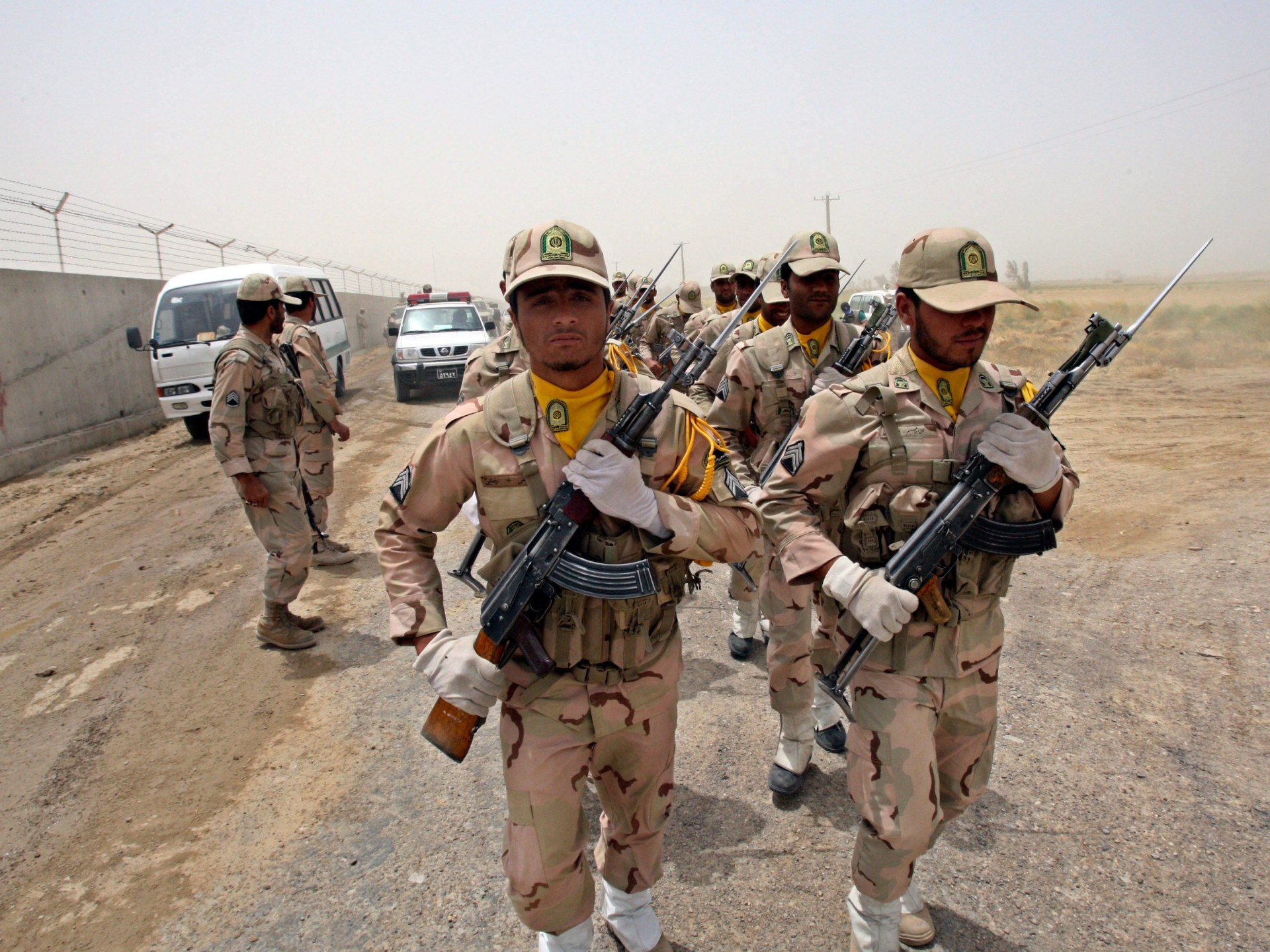
A deadly armed engagement in southeastern Iran has claimed the lives of at least two security personnel in close proximity to the strategic port city of Chabahar, situated in Sistan-Baluchestan province. According to statements released by Iranian state media and regional security directorates, the patrol was ambushed by heavily armed combatants. Tehran quickly attributed the attack to regional extremist factions allegedly operating across border sanctuaries, framing the development as part of an externally orchestrated campaign designed to destabilize Iran's critical maritime perimeter.
Sistan-Baluchestan has long experienced recurrent friction involving militant separatist organizations, smuggling syndicates, and state security units. However, the geographic proximity of this recent assault to Chabahar markedly elevates its geopolitical profile. Unlike Iranian maritime terminals situated inside the Persian Gulf, Chabahar lies on the coast of the Gulf of Oman, bypassing the vulnerable Strait of Hormuz chokepoint. As a result, the port represents an indispensable commercial nexus, underpinning Iran's long-term pivot toward non-sanctioned transit networks and regional connectivity frameworks.
Global Trade & Economic Ripples
Chabahar's strategic vitality extends significantly beyond Iran's domestic perimeter, operating as the maritime foundation of the International North-South Transport Corridor (INSTC). The transit corridor is designed to link India, Iran, Central Asian republics, and Russia, offering an alternative sea-rail network that bypasses conventional western maritime routes. Security disruptions within this logistical corridor threaten investor sentiment and introduce incremental insurance and freight risk premiums for logistics operators attempting to route shipments through southern Iran.
For international commodity flows, particularly agricultural products and regional mining freight routed into Central Asian markets, instability in Sistan-Baluchestan risks operational delays and necessitates expanded state security escort expenditures. While broader crude oil tanker corridors traversing the Gulf of Oman have not suffered direct operational curtailments, maritime security agencies have cautioned merchant vessels against auxiliary littoral transit risks. The incident emphasizes the operational exposure facing international infrastructure programs dependent on domestic political stability across complex transit corridors.
International Reactions & Diplomatic Stances
Official channels in Tehran issued stark condemnations following the fatal incident, reiterating demands that neighboring border states intensify counter-terror interdiction along shared frontier demarcations. Iranian diplomatic representatives maintained that foreign intelligence actors actively sponsor subversive groups to undermine cross-border trade pacts and industrial special economic zones operating in southeastern Iran.
Diplomatic observers across South Asia and Central Asia have observed the developments with measured concern. New Delhi, which has committed sustained foreign direct investment into Chabahar's Shahid Beheshti terminal to maintain trade access to Afghanistan and Central Asia, favors stringent border stability to protect port terminal operations. Multilateral security analysts emphasize that sustained attacks could complicate future public-private infrastructure commitments, as corporate logistics syndicates demand robust, verifiable security corridors before deploying capital.
Strategic Outlook & Future Scenarios
The trajectory of regional security surrounding Chabahar largely hinges on the scale of Tehran's domestic counter-insurgency response. Iranian armed services are anticipated to deploy reinforced frontier surveillance assets and conduct targeted interdiction missions throughout the borderlands. Such escalations run the risk of generating bilateral diplomatic friction with regional neighbors if counter-terror operations breach shared territorial boundaries.
Looking forward, the security of Chabahar remains integral to Tehran's foreign trade resilience under western sanctions regimes. Should kinetic activities escalate into structural operational disruption at port facilities, secondary economic impacts could cascade through regional freight contracts. Conversely, if security forces successfully re-establish perimeter control, commercial logistics operations are likely to absorb the incident as an isolated localized development, maintaining the port's role as a vital trade artery.
Join Our Official WhatsApp Channel
Receive live commodity alerts, policy changes, and commercial intelligence directly on WhatsApp.