
Tankers Hit Mines in Strait of Hormuz Disrupting Global Energy Flows
Two crude tankers caught fire after striking naval mines in the Strait of Hormuz, escalating regional maritime security risks and rattling global oil markets.
Geopolitical & Core Developments
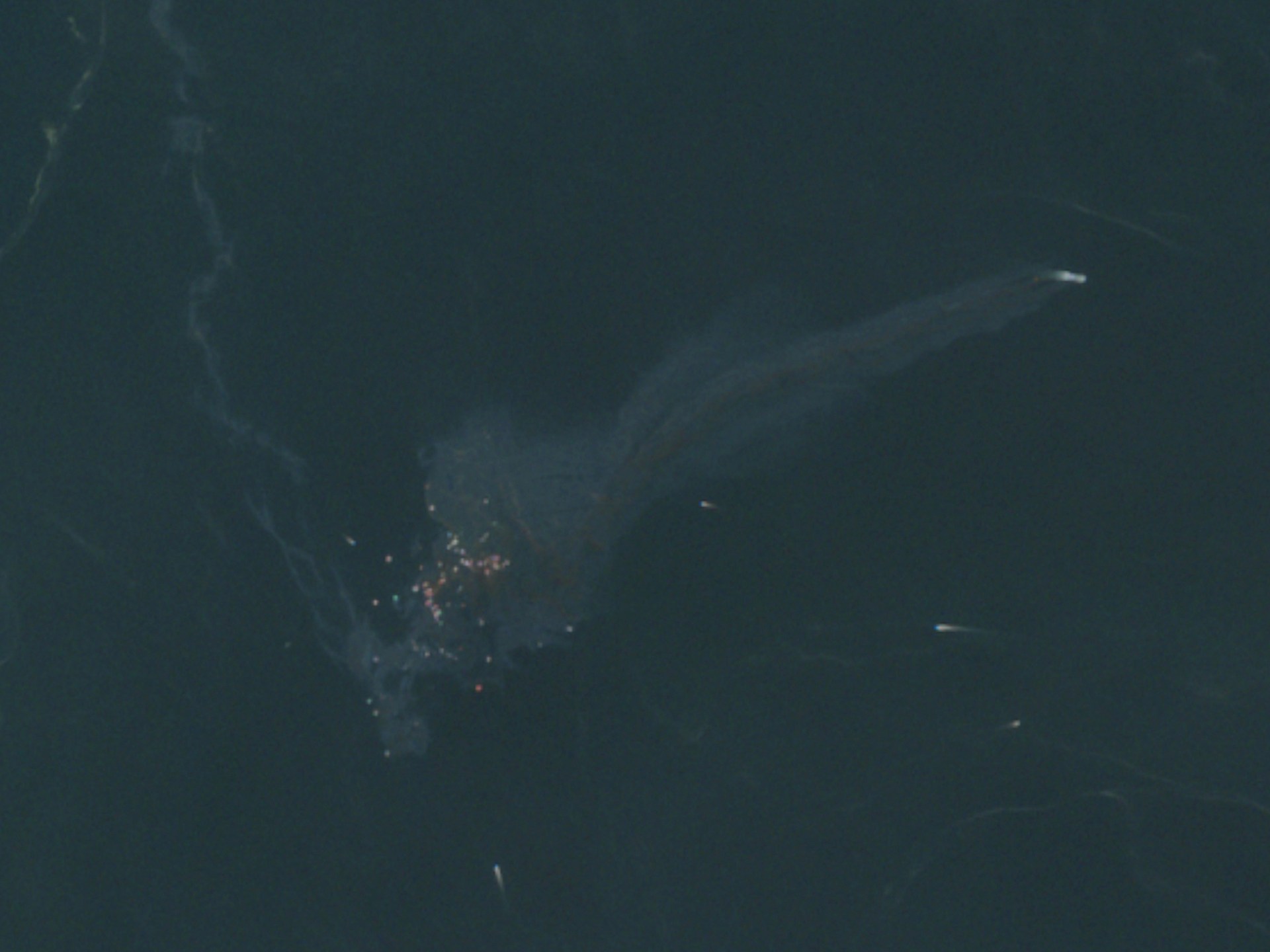
Tensions across the Middle East escalated dramatically following reports that two crude oil tankers caught fire after detonating naval mines in the Strait of Hormuz. According to statements issued by Iran Islamic Revolutionary Guard Corps (IRGC), each vessel was laden with approximately two million barrels of crude oil when the explosions took place. Iranian authorities stated that the tankers had deviated into an unauthorized maritime corridor, straying outside established international traffic separation schemes before encountering explosive ordnance.
The Strait of Hormuz, a narrow waterway situated between Oman and Iran, represents the single most critical transit corridor for the global petroleum trade. While emergency salvage operations and maritime firefighting teams were quickly deployed to prevent catastrophic structural failure and major environmental spills, the incident has introduced severe operational uncertainty into commercial navigation across the Persian Gulf. Naval authorities in the region have placed regional strike groups and surveillance assets on high alert as military investigators work to establish the origin and deployment timeline of the deployed mines.
Global Trade & Economic Ripples
The immediate fallout in international energy markets was pronounced. Brent crude futures and West Texas Intermediate (WTI) both registered sharp intraday gains, reflecting market anxiety over potential structural bottlenecks in the Persian Gulf. Energy traders moved swiftly to price in an elevated geopolitical risk premium, given that roughly one-fifth of the world liquid petroleum consumption traverses this narrow maritime choke point daily.
Beyond front-month crude contracts, the commercial shipping industry faces immediate financial repercussions. Marine underwriters operating through Lloyd's of London and other major insurance syndicates have commenced urgent reassessments of Joint War Committee hull risk classifications for Persian Gulf voyages. War risk premiums for commercial vessels transiting the Gulf of Oman and the Strait of Hormuz are projected to surge by double digits, dramatically inflating charter rates and operational overhead for refiners worldwide. Extended disruptions or mandatory military escorts would risk compounding inflation metrics for major hydrocarbon-importing economies across East Asia and Europe.
Related Intelligence: Violent Clashes in Tirana Challenge Albanian Stability and EU Integration Path
International Reactions & Diplomatic Stances
The international diplomatic community reacted with swift calls for restraint alongside stern warnings against asymmetric maritime warfare. United Nations officials expressed deep concern over the safety of civilian navigation in designated international waterways, emphasizing that any deliberate deployment of unanchored or uncharted mines violates established maritime law and the United Nations Convention on the Law of the Sea (UNCLOS).
Western defense ministries, led by the United States and allied partners within the International Maritime Security Construct, condemned actions threatening maritime commerce, demanding full transparency and an independent inquiry into the events surrounding the explosions. Concurrently, regional energy-producing nations within the Gulf Cooperation Council (GCC) convened emergency security sessions to evaluate harbor defense protocols, while consumer nations, particularly Japan, South Korea, and India, issued urgent advisories to national tanker fleets advising stringent compliance with established navigational lanes.
Strategic Outlook & Future Scenarios
The strategic trajectory of this crisis hinges heavily on the formal attribution of the naval mines. If independent verification indicates state-sponsored deployment designed to harass commercial shipping, Western powers could respond with tightened economic sanctions targeting logistics networks, enhanced naval patrols, or expanded multilateral convoy systems.
Market analysts anticipate that oil volatility will remain elevated in the near term, with physical trading houses prioritizing non-Hormuz routes such as pipeline bypass systems where available. Upcoming diplomatic forums and multilateral energy ministerials will face immense pressure to re-establish verified maritime safety frameworks. Should additional incidents occur along commercial transit lanes, the probability of direct kinetic encounters between naval forces and irregular coastal units will increase markedly, presenting severe headwinds to global supply chain stabilization.
Join Our Official WhatsApp Channel
Receive live commodity alerts, policy changes, and commercial intelligence directly on WhatsApp.