
Spanish Football Titans Drive Multibillion-Dollar Soft Power Economy Ahead of El Clasico
Real Madrid and Barcelona posted decisive weekend victories ahead of El Clasico, highlighting the vast economic, diplomatic, and commercial stakes underpinning Spanish football's premier global fixture.
Geopolitical & Core Developments
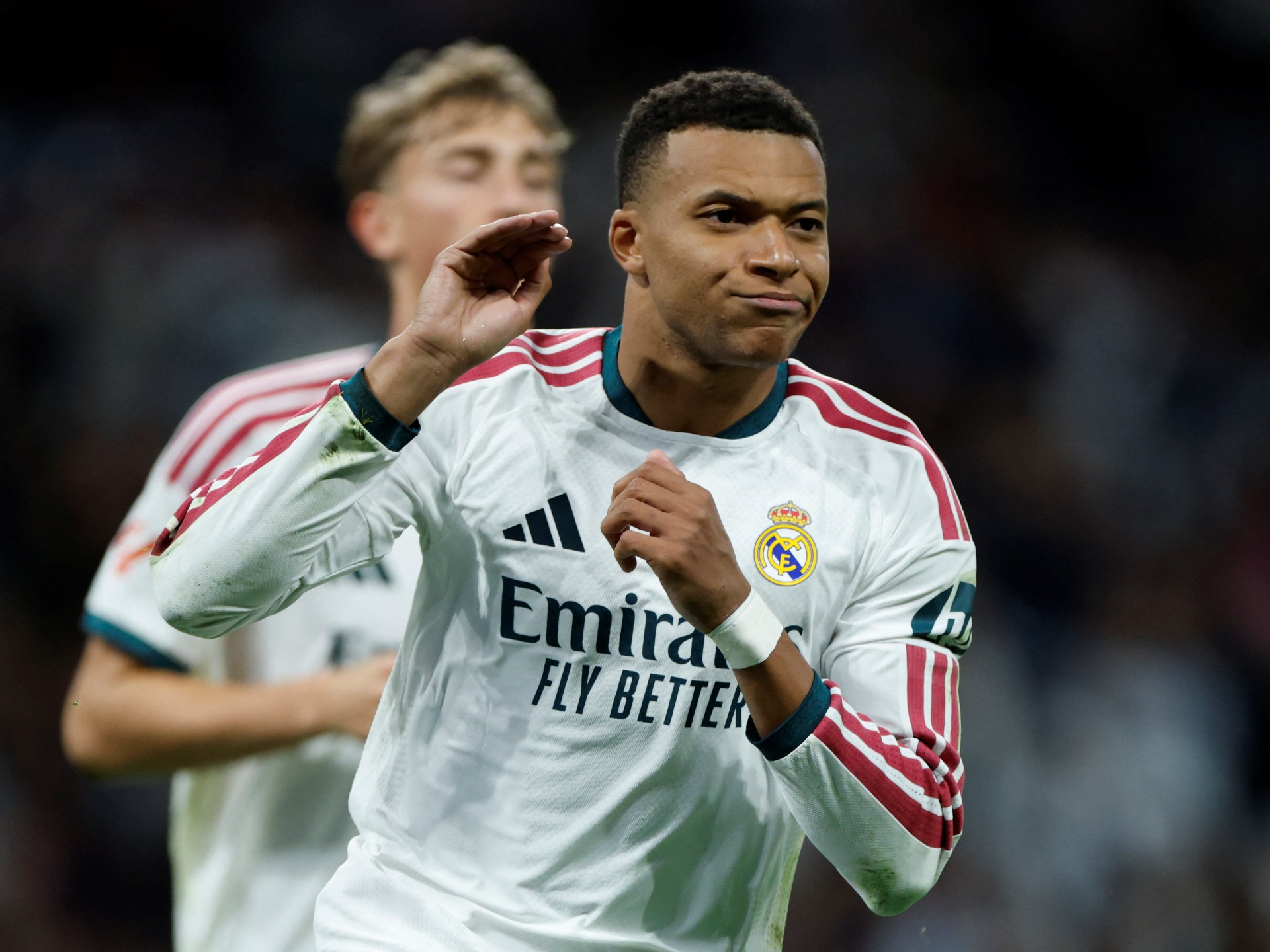
Real Madrid delivered a decisive 4-1 victory over Sevilla, propelled by a brace from French forward Kylian Mbappe and a clinical finish from Turkish international Arda Guler. The result closely followed FC Barcelona's emphatic 5-2 triumph over Real Betis, solidifying an intense domestic title race just days before the two powerhouses meet in the globally syndicated fixture known as El Clasico. Beyond the sporting narrative on the pitch, the impending clash represents an intersection of geopolitical soft power, elite sports governance, and institutional finance operating across southern Europe.
Spain's domestic league, La Liga, functions as a significant geopolitical projection tool for Madrid and the autonomous region of Catalonia. The strategic posturing of Real Madrid and FC Barcelona extends far beyond Iberian borders, functioning as marquee cultural exports that command the attention of sovereign states, multinational sponsors, and transnational media conglomerates. As both squads hit peak competitive form, state actors and commercial stakeholders are closely observing how elite sports assets continue to serve as instruments of diplomatic influence, international branding, and bilateral investment.
Global Trade & Economic Ripples
The economic ecosystem surrounding El Clasico exercises significant sway over international media licensing, cross-border commercial sponsorships, and global tourism corridors. The international broadcast rights for the Spanish championship represent billions of euros in transactional volume, channeling institutional revenue through telecommunications hubs in Western Europe, the Asia-Pacific region, and North America. Marquee matches serve as commercial anchor points for international airlines, hospitality conglomerates, and digital streaming platforms navigating fluctuating consumer discretionary spending.
Furthermore, sovereign wealth funds and private capital vehicles from the Gulf Cooperation Council (GCC) have increasingly intertwined their long-term investment strategies with European elite sports. High-profile international fixtures operate as high-visibility showcases for state-backed transport, real estate, and financial partners. Advertising revenues generated around such encounters influence capital allocations in global marketing budgets, directly impacting supply chains tied to athletic manufacturing, sports merchandise retail logistics, and localized consumer markets across Latin America, the Middle East, and Asia.
Related Intelligence: Aviation Security Alert Diverts Tel Aviv Flight Amid Middle East Tensions
International Reactions & Diplomatic Stances
Market analysts, industry executives, and international sports governance bodies view the resurging prominence of Real Madrid and Barcelona as a bellwether for the European sports industry's broader post-pandemic financial restructuring. European football governing bodies continue to balance traditional domestic league ecosystems against international commercial expansion initiatives, such as overseas exhibition fixtures and newly structured multilateral tournament formats.
Financial credit agencies and sports asset analysts highlight that sustained athletic success directly preserves enterprise valuations, creditworthiness, and international borrowing capacity for member-owned clubs. Analysts note that the integration of high-profile international talent such as Mbappe and Guler generates localized market penetration across key consumer demographics in Western Europe and the Eastern Mediterranean, reinforcing commercial links between club corporate boards and sovereign economic partners.
Strategic Outlook & Future Scenarios
The strategic trajectory of Spanish elite football hinges on the forthcoming El Clasico, which will significantly shape both domestic league dynamics and broader European competition rankings. Over the medium term, the commercial performance of this marquee matchup will inform negotiations for future global television rights cycles, overseas brand partnerships, and institutional infrastructure financing.
Moving forward, cross-border investment trends indicate that sovereign funds and multinational private equity firms will maintain aggressive capital allocation toward premier global sporting events. The sustained commercial viability of marquee fixtures will depend heavily on technological modernization, overseas consumer engagement, and regulatory oversight regarding foreign state investment in European cultural and sports assets.
Join Our Official WhatsApp Channel
Receive live commodity alerts, policy changes, and commercial intelligence directly on WhatsApp.