
Pakistan Abruptly Suspends Iran Border Trade via Taftan and Gabd-Rimdan
Pakistan has unexpectedly halted commercial transit across key Iranian border crossings, leaving hundreds of supply trucks stranded and threatening regional energy and food distribution networks.
The Core Development
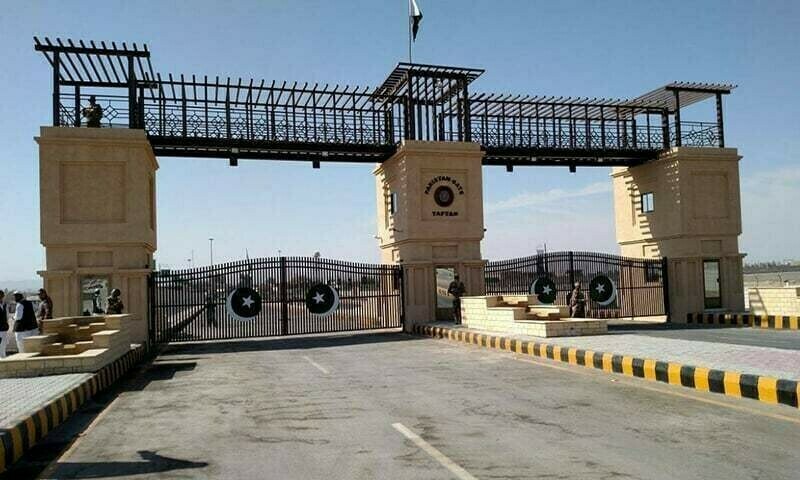
Pakistan has officially halted commercial trade operations with the Islamic Republic of Iran across its primary terrestrial gateways, specifically the Taftan and Gabd-Rimdan border corridors. The sudden policy reversal surfaced following an administrative memorandum issued by the federal Ministry of Commerce in Islamabad, which revoked its prior directive [No. 9(3)2017-Iran] dated October 3 with immediate effect.
The regulatory notice offered no formal justification or geopolitical context for the sudden cancellation of cross-border trade facilitation. The immediate fallout along the southwestern frontier has paralyzed logistics, stranding hundreds of commercial heavy-goods vehicles carrying highly perishable agricultural consignments and critical energy supplies on both sides of the zero-line. The Taftan crossing in Chagai district represents Pakistan's primary commercial artery with Iran, while the Gabd-Rimdan point in Gwadar serves as an increasingly vital economic linkage for southern Balochistan. Diplomatic and border security liaisons from both nations have initiated preliminary contact, but transport operations remain entirely stalled.
Commercial & Economic Implications
The immediate suspension of bilateral transit carries significant economic consequences for regional supply chains, domestic retail markets, and wholesale distribution networks. Bilateral commerce between Islamabad and Tehran relies heavily on overland trucking to supply liquefied petroleum gas (LPG), petrochemicals, polymers, and building materials to Pakistan, while Iran absorbs substantive export volumes of Pakistani kinnow, mangoes, basmati rice, and red meat.
The physical stranding of commercial fleets poses severe working capital and inventory risks for domestic traders. In particular, consignments of Pakistani export-grade basmati rice and fresh fruits face imminent spoilage and contractual defaults. Concurrently, regional energy supply chains in Balochistan and parts of Sindh face prospective supply crunches. A sustained disruption in Iranian LPG inflows will inevitably drive up local fuel cylinder prices, stoking inflationary pressures on vulnerable domestic households and commercial enterprises. Furthermore, the abrupt freeze undermines the structured barter trade mechanisms recently developed to circumvent international foreign exchange settlement hurdles.
Related Intelligence: French Nationwide Protests Intensify Amid Soaring Inflation and Retail Disruptions
Stakeholder Perspectives & Market Reactions
The abrupt unilateral directive has prompted severe concern throughout Pakistan's mercantile and manufacturing sectors. The Quetta Chamber of Commerce and Industry (QCCI) issued an urgent trade advisory instructing all affiliated members, importers, and clearance agents to halt immediate procurement contracts and stop placing fresh orders until official clarity emerges from the federal government.
Commercial freight associations and wholesale clearing houses have voiced deep frustration regarding the lack of forward guidance. Business leaders noted that sudden border shutdowns without buffer periods or transition windows cause catastrophic inventory losses, demurrages, and operational chaos. Legal and policy analysts have highlighted that sudden administrative retractions damage commercial reliability, leaving logistics operators exposed to massive daily losses as stranded vehicles sit idle in harsh desert terrain without climate-controlled storage.
Forward Outlook & Key Watchpoints
The trajectory of Pakistan-Iran trade normalization over the coming days hinges on high-level bilateral diplomatic communication between Islamabad and Tehran. Federal economic authorities face mounting pressure from regional trade bodies and legislative representatives to provide transparent rationale for the order withdrawal.
Key watchpoints include whether the Ministry of Commerce will implement an emergency clearance corridor to evacuate stranded perishable foodstuffs and energy shipments currently anchored at Taftan and Gabd. Industry participants are closely monitoring whether this suspension reflects a temporary security reassessment, customs restructuring, or broader strategic shifts in bilateral border management. Unless swift diplomatic and administrative mechanisms are deployed to restore border freight clearances, domestic wholesale markets should anticipate price volatility across energy and horticultural commodities.
Join Our Official WhatsApp Channel
Receive live commodity alerts, policy changes, and commercial intelligence directly on WhatsApp.