
Argentina University Funding Crisis Deepens as Courts Penalize Milei Administration
An Argentine court has fined the federal government for withholding university funds, as violent demonstrations escalate against President Javier Milei's strict austerity agenda.
Geopolitical & Core Developments
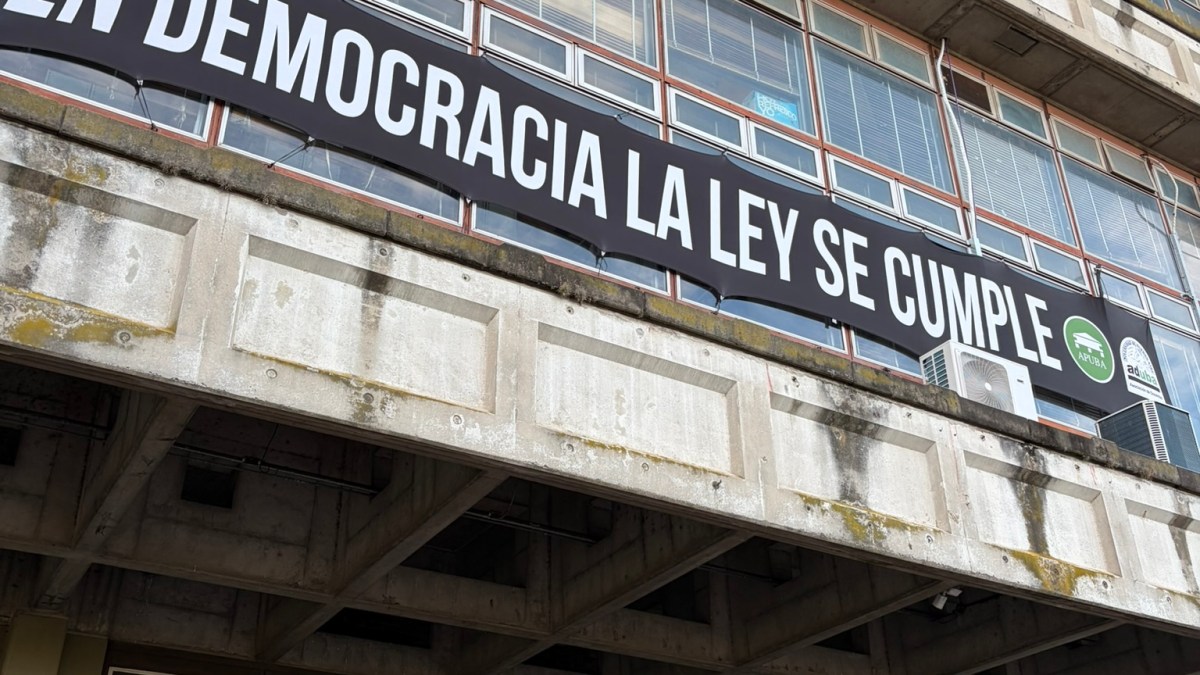
Argentina's macroeconomic trajectory has encountered severe domestic friction as a federal court imposed financial sanctions on the administration of President Javier Milei for withholding allocated funds from state universities. The judicial intervention follows weeks of nationwide campus occupations, mass walkouts, and clashes between law enforcement and student demonstrators in Buenos Aires and other primary urban centers. The core dispute centers on the executive branch's aggressive budgetary freeze, which has effectively eroded higher education operational budgets against triple-digit domestic inflation.
Milei, who assumed office on a platform of radical state retrenchment and fiscal shock therapy, has targeted public spending to erase the primary budget deficit. However, the systematic defunding of higher education—traditionally an engine of upward social mobility and technological development in the Southern Cone—has galvanized broad-based opposition across political, academic, and civic spectrums. The judicial sanction represents a critical institutional barrier to the administration's unilateral spending cuts, establishing that executive fiscal adjustments cannot entirely bypass statutory financing mandates approved by the National Congress.
Global Trade & Economic Ripples
While the education funding dispute appears domestically contained, its reverberations hold substantial implications for Argentina's broader macroeconomic stability and foreign trade profile. As a dominant global supplier of soybean meal, raw soybean oil, corn, and lithium, Argentina's internal stability directly correlates with export throughput. Ongoing unrest and potential general strike actions by affiliated labor unions threaten logistics corridors feeding the Rosario port hub along the Paraná River, through which roughly 80 percent of the nation's agricultural exports flow.
Simultaneously, sovereign debt markets have exhibited heightened volatility. Argentine sovereign dollar-denominated bonds experienced temporary yield widening as foreign institutional investors assessed the sustainability of Milei's fiscal adjustments in the face of institutional pushback. If judicial decrees force the Treasury to re-expand discretionary spending, the government's flagship surplus targets could be compromised. This dynamic complicates ongoing negotiations with the International Monetary Fund (IMF) regarding the restructuring of Argentina's 44-billion-dollar extended fund facility, potentially impacting foreign currency reserve accumulation and the eventual lifting of exchange-rate capital controls.
Related Intelligence: Tragic Oregon School Shooting Intensifies Domestic Debate and International Scrutiny
International Reactions & Diplomatic Stances
Multilateral monitoring bodies and international human rights organizations have voiced concern over the security apparatus's heavy-handed response to public protests, noting reports of rubber bullets and tear gas deployed outside the national legislature. Conversely, external creditors and private investment funds maintain a pragmatic stance, continuing to monitor whether the executive branch can preserve its fiscal trajectory without triggering systemic governance paralysis.
Regional partners within Mercosur, notably Brazil, are closely watching the administration's institutional cohesion. Brazilian diplomatic sources have discreetly signaled apprehension that prolonged socio-political unrest within its second-largest regional trading partner could depress bilateral manufacturing trade, particularly in the automotive and industrial machinery sectors. Market analysts at major credit rating agencies noted that legal interventions against the executive could erode the perceived predictability of Argentina's structural overhaul, discouraging long-term foreign direct investment in core capital-intensive sectors like Vaca Muerta shale gas development.
Strategic Outlook & Future Scenarios
The immediate outlook suggests an escalation of institutional gridlock. Should the Milei administration appeal the court's sanction and maintain an uncompromising posture on educational expenditure, student unions and confederated labor groups are expected to synchronize broader national industrial actions. Such a coalescence would challenge the government's ability to maintain public order without further domestic alienation.
Over the medium term, the administration must navigate a fragmented legislature where it lacks an outright majority. If opposition blocs capitalize on the court ruling to push through statutory budget guarantees with veto-proof majorities, the administration's path toward single-minded fiscal consolidation will narrow. The ongoing crisis tests whether Argentina's aggressive fiscal realignment can survive constitutional and civic pressure, serving as a bellwether for sovereign stability across emerging South American markets.
Join Our Official WhatsApp Channel
Receive live commodity alerts, policy changes, and commercial intelligence directly on WhatsApp.