
Pakistan Cuts Petrol Price by Rs3.63 While Diesel Rises Marginally
Pakistan revised domestic fuel rates, reducing petrol by Rs3.63 per litre while marginally increasing high-speed diesel by Re0.31 per litre for the upcoming pricing cycle.
The Core Development
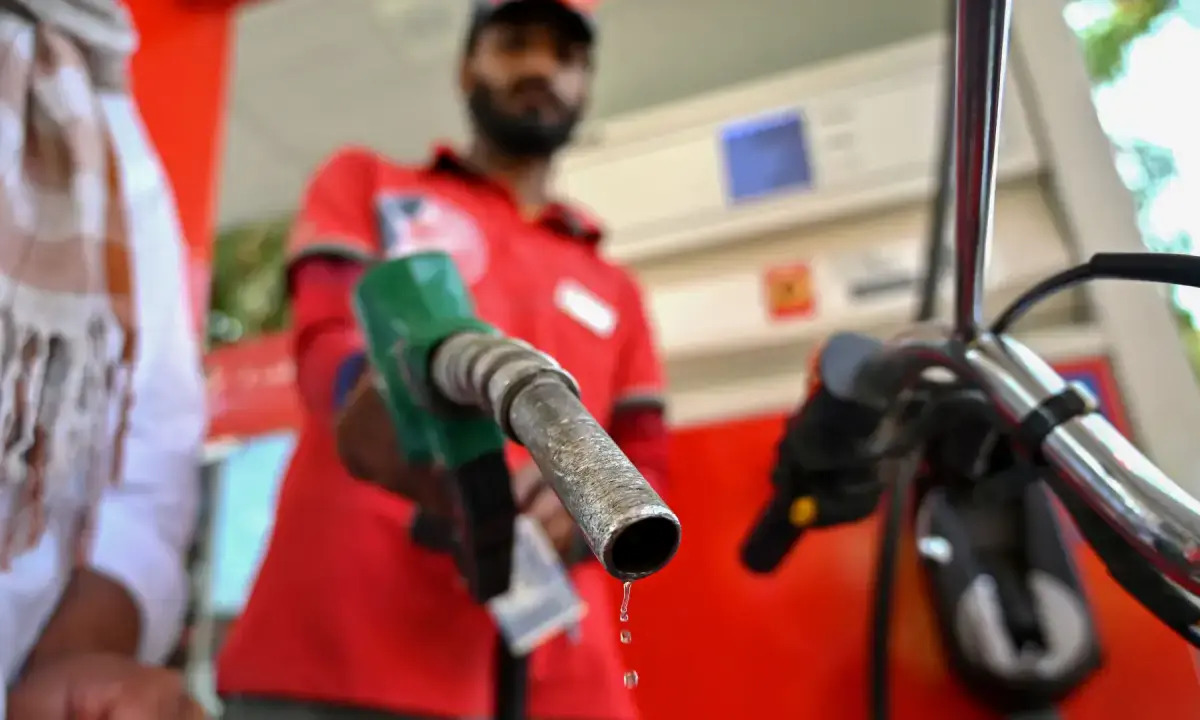
The federal government of Pakistan announced a bifurcated adjustment in consumer fuel prices for the upcoming pricing fortnightly cycle, slashing the ex-depot price of motor gasoline (petrol) by Rs3.63 per litre while marginally increasing high-speed diesel (HSD) by Re0.31 per litre. The adjustment followed formal computation and recommendations submitted by the Oil and Gas Regulatory Authority (OGRA) in coordination with the Ministry of Energy (Petroleum Division) and the Ministry of Finance.
According to official notifications, the downward adjustment in petrol prices reflects softening international petroleum product benchmarks across Asian trading hubs during the preceding fortnight, along with relative stability in the exchange rate of the Pakistani rupee against the US dollar. Conversely, high-speed diesel faced slight upward pressure due to resilient global middle-distillate demand and regional freight variations. The federal government maintained the prevailing Petroleum Development Levy (PDL) framework, refraining from downward adjustments on statutory taxes to sustain critical revenue collection targets agreed under multilateral commitments.
Commercial & Economic Implications
The divergent price movement between petrol and high-speed diesel generates mixed signals across Pakistan's domestic commercial ecosystem. For urban commuter markets, private mobility operators, and two-wheeler segments, the Rs3.63 per litre decrease delivers marginal direct relief, lowering personal transportation budgets and supporting disposable urban purchasing power. Retail trade networks anticipate minor reductions in local last-mile courier and delivery operating expenses.
However, the freight and wholesale distribution landscape remains heavily constrained by the firmness in high-speed diesel rates. As HSD serves as the primary fuel for intercity trucking, agricultural machinery, and heavy industrial logistics, the Re0.31 per litre increment—coupled with prior elevated price bases—precludes any reduction in bulk cargo freight tariffs. Wholesale grain distributors, fast-moving consumer goods (FMCG) suppliers, and agricultural producers continue to face rigid haulage costs. This disparity ensures that headline consumer price index (CPI) transport components will experience only subdued relief, preventing broader food and industrial price corrections across domestic supply chains.
Related Intelligence: US Halts Military Execution Livestream Amid Geopolitical and Market Scrutiny
Stakeholder Perspectives & Market Reactions
Commercial transport bodies and trader associations expressed reserved sentiment regarding the price revisions. Logistics syndicates noted that while any freeze on aggressive diesel hikes is welcome, the persistence of historic high diesel baselines prevents downward revisions in freight rates across national highways and secondary market arteries.
Retail merchant associations pointed out that fuel price cuts need to be more pronounced and continuous over multiple pricing cycles to visibly suppress retail shelf prices. Upstream, oil marketing companies (OMCs) and petroleum dealers reiterated operational challenges regarding regulated dealer and marketing margins. Industry representatives emphasized that volatile fortnightly adjustments continue to disrupt bulk working capital management, forcing bulk fuel consumers and logistics operators to adopt tighter inventory strategies to mitigate inventory loss risks.
Forward Outlook & Key Watchpoints
Moving into the subsequent pricing window, domestic fuel trends will hinge heavily on international crude fluctuations, Middle Eastern geopolitical risks, and OPEC+ supply decisions. A secondary, critical variable remains the domestic fiscal trajectory: with federal tax authorities tasked with meeting strict fiscal consolidation parameters, any future space created by falling international crude may be captured through structural levy increases rather than passed fully to consumers.
Market observers will monitor downstream freight pricing discipline, agricultural seasonal demand for diesel during irrigation and harvesting cycles, and the state's capacity to maintain currency stability against external debt servicing pressures. Continuous fiscal scrutiny suggests petroleum taxation will remain the cornerstone of sovereign non-tax revenue mobilization.
Join Our Official WhatsApp Channel
Receive live commodity alerts, policy changes, and commercial intelligence directly on WhatsApp.