
Strait of Hormuz Tanker Attack Escalates Persian Gulf Maritime Risks
An oil tanker struck by multiple projectiles off Qatar has triggered heightened maritime security concerns and immediate supply chain anxieties across the vital Strait of Hormuz.
Geopolitical & Core Developments
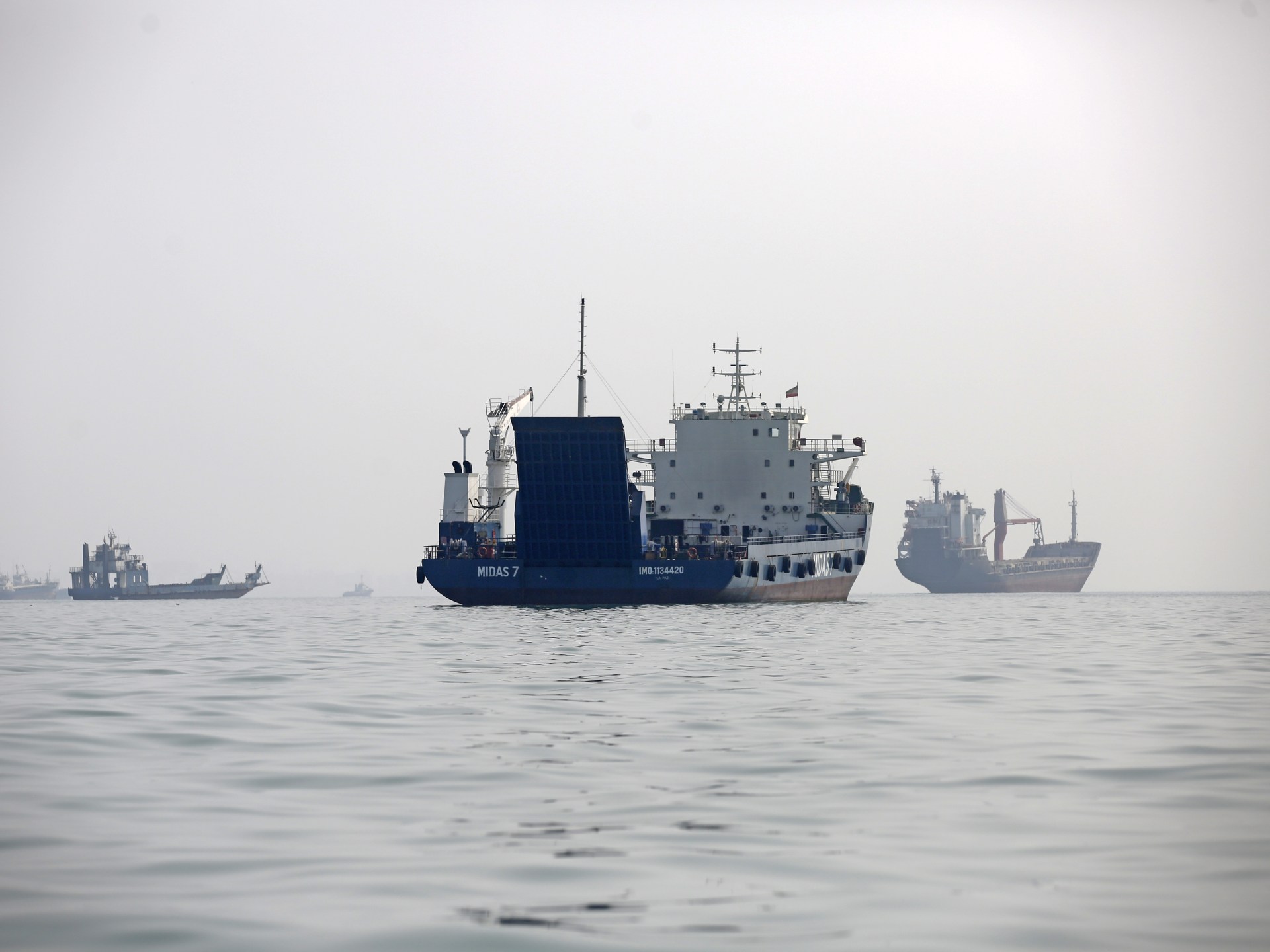
Tensions in the Arabian Gulf escalated sharply following reports from the United Kingdom Maritime Trade Operations (UKMTO) that a commercial oil tanker was struck by multiple projectiles off the northern coast of Qatar. The vessel, operating along one of the world's most critical energy transit corridors, sustained structural damage, though initial reports indicate no catastrophic hull breach or immediate casualties among the crew. This incident represents a dangerous intensification of hostilities in regional waters, where commercial shipping has increasingly found itself caught in the crosshairs of unfolding geopolitical frictions. The Strait of Hormuz, through which roughly a fifth of the world's petroleum passes daily, is now facing an unprecedented security deficit. State actors and naval coalitions operating in the region have raised threat levels, as asymmetric warfare tactics continue to test the limits of international maritime deterrence. Military analysts note that the precision and nature of the projectiles point to sophisticated capabilities, raising alarms among defense planners in Western and Gulf capitals regarding the protection of vital sea lines of communication.
Global Trade & Economic Ripples
The attack has sent immediate shockwaves through global energy markets and commodity trading desks. Crude oil benchmarks spiked immediately following the UKMTO advisory, reflecting the market's acute sensitivity to any disruption in Middle Eastern supply lines. Insurance underwriters are expected to re-evaluate risk premiums for vessels transiting the Persian Gulf, a move that will inevitably inflate freight rates and overall shipping costs. Beyond immediate petroleum pricing, liquefied natural gas (LNG) markets—of which Qatar is a premier global exporter—are bracing for logistical bottlenecks. Importers in Europe and Asia, already navigating complex post-pandemic supply chains and geopolitical realignments, now face the prospect of extended transit times if charterers decide to reroute vessels or implement convoy systems. The incident underscores the fragility of global trade infrastructure, where regional security breakdowns rapidly translate into inflationary pressures for industrial economies and emerging markets alike.
Related Intelligence: Indonesian Wildfires Trigger Regional Crisis and Commodity Supply Risks
International Reactions & Diplomatic Stances
International bodies and national governments have mobilized diplomatic channels to address the crisis. The United Nations issued a statement urging maximum restraint from all regional stakeholders and emphasizing the inviolability of international maritime law and freedom of navigation. Major maritime nations have condemned the attack, calling for thorough investigations and enhanced cooperative patrols to safeguard commercial mariners. Industry associations representing shipowners and operators have reiterated urgent demands for actionable intelligence sharing between military task forces and commercial fleets. Meanwhile, energy ministry officials in key consuming nations are holding emergency consultations to assess strategic petroleum reserves and coordinate potential stabilization measures should the security situation in the Gulf deteriorate further. Market analysts warn that without a unified diplomatic push to de-escalate maritime hostilities, the risk of a miscalculation drawing in broader regional powers remains alarmingly high.
Strategic Outlook & Future Scenarios
Looking ahead, the incident off the coast of Qatar serves as a grim harbinger for the security of global trade chokepoints. Policymakers and industry leaders are anticipating a prolonged period of heightened threat levels in the Arabian Gulf and the Strait of Hormuz. Upcoming international maritime summits will likely prioritize the deployment of advanced electronic surveillance, unmanned drone monitoring, and expanded naval escorts to secure vulnerable tanker routes. However, defense experts caution that technological countermeasures alone cannot resolve the underlying geopolitical drivers of regional instability. If diplomatic initiatives fail to establish reliable de-confliction mechanisms between opposing state factions, commercial shipping companies may be forced to permanently alter operational strategies, permanently altering the economics of global energy transport and reinforcing fragmentation in international trade networks.
Join Our Official WhatsApp Channel
Receive live commodity alerts, policy changes, and commercial intelligence directly on WhatsApp.