
Indonesian Wildfires Trigger Regional Crisis and Commodity Supply Risks
Severe Indonesian wildfires have unleashed a toxic cross-border haze across Southeast Asia, threatening regional trade, public health, and diplomatic relations within ASEAN.
Geopolitical & Core Developments
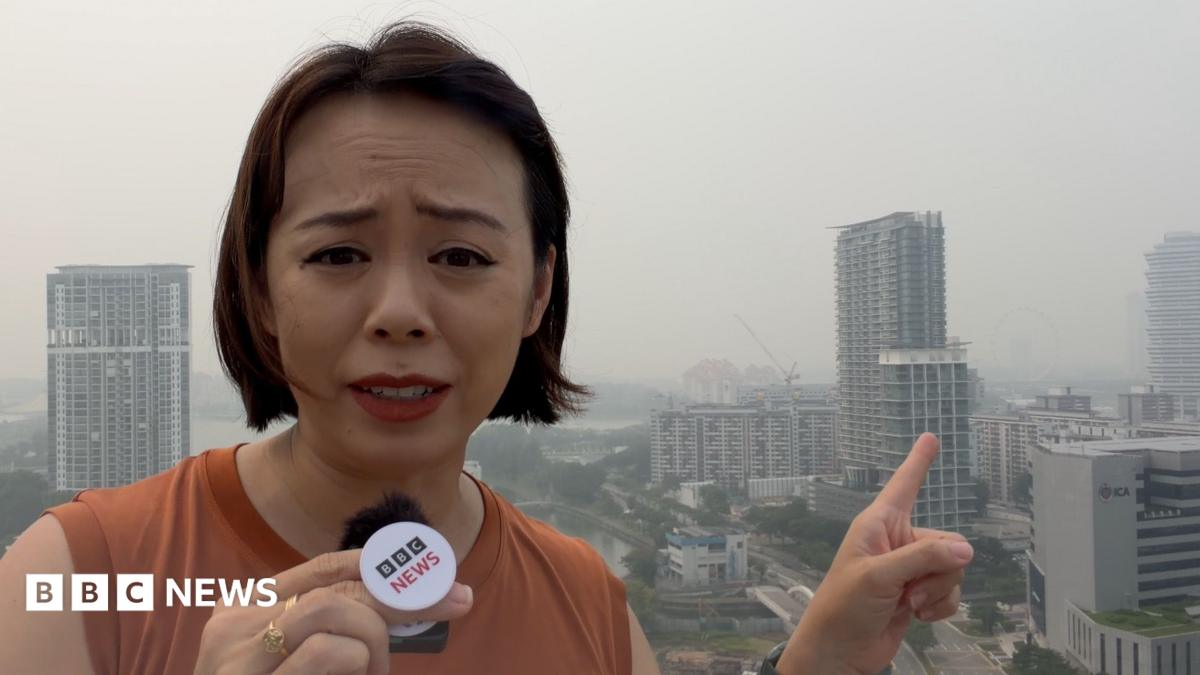
The recurrence of severe land and forest fires in Indonesia has once again plunged Southeast Asia into a profound environmental and diplomatic crisis. As prolonged dry spells exacerbate illegal slash-and-burn agricultural practices, massive plumes of toxic haze have drifted across international borders, enveloping Singapore's iconic skyline and significant portions of Peninsular Malaysia. The scale of the current wildfire season ranks among the worst in recent memory, straining bilateral mechanisms designed to manage transboundary ecological hazards. State actors find themselves locked in delicate diplomatic maneuvers as civil society and public health authorities demand accountability for the persistent failure to permanently suppress the underlying drivers of peatland degradation.
Historically, the Association of Southeast Asian Nations (ASEAN) has championed the Agreement on Transboundary Haze Pollution, yet enforcement mechanisms remain hampered by consensus-based diplomacy and sovereignty concerns. Indonesia maintains that domestic enforcement agencies have intensified patrols, levied administrative sanctions against errant agribusiness conglomerates, and deployed thousands of personnel for ground-level firefighting. However, satellite data reveals that extensive tracts of carbon-rich peatlands continue to burn unchecked in remote provinces of Sumatra and Kalimantan. The strategic stakes extend far beyond immediate visibility concerns, touching upon core issues of state sovereignty, regional stability, and the credibility of multilateral environmental governance in the Indo-Pacific theatre.
Global Trade & Economic Ripples
The environmental crisis carries immediate and profound implications for global trade, commodity markets, and regional supply chain logistics. Singapore acts as a pivotal maritime and financial nexus for Southeast Asia; prolonged atmospheric degradation directly threatens productivity across logistics hubs, port operations, and corporate headquarters. Reduced visibility restricts container vessel movements within the Straits of Malacca, one of the world's busiest shipping chokepoints, introducing friction into international maritime schedules and escalating demurrage costs for bulk carriers.
Furthermore, the fires directly impact key agricultural commodities, particularly palm oil and pulp and paper products. Many of the affected concessions belong to corporate entities integrated into global supply chains supplying multinational consumer goods manufacturers. Heightened regulatory scrutiny and potential boycotts by western importers in response to escalating environmental degradation risk compressing margins for regional producers. Insurance premiums for commercial operations across the affected zones are trending upward, while domestic consumption patterns soften as citizens curtail outdoor economic activity in response to hazardous air quality index readings. Foreign exchange markets have registered modest jitters, reflecting broader anxieties regarding macroeconomic productivity losses in Singapore and Malaysia.
Related Intelligence: Cornell Legal Battle Sparks Global Debate on Campus Safety and Corporate Liability
International Reactions & Diplomatic Stances
International bodies and neighboring governments have expressed mounting alarm over the humanitarian and environmental fallout. The United Nations Environment Programme (UNEP) has issued technical assessments emphasizing that the recurrent fires significantly accelerate global carbon emissions, undermining Paris Agreement commitments. Singaporean authorities have repeatedly offered aerial firefighting assistance and technical cooperation, emphasizing the urgent need for transparent, real-time data sharing regarding concession ownership and fire hotspots.
Market analysts and ratings agencies are beginning to price environmental, social, and governance (ESG) risks more aggressively into valuations of regional plantation companies. Institutional investors based in London, New York, and Tokyo are exerting pressure on institutional asset managers to divest from firms implicated in illegal peatland clearing. Meanwhile, Indonesian officials maintain a defensive posture, asserting that domestic economic priorities must be balanced against ecological mandates, even as regional ministers convene emergency bilateral consultations to formulate coordinated containment protocols.
Strategic Outlook & Future Scenarios
Looking ahead, the trajectory of the crisis hinges heavily on meteorological developments, specifically the onset of regional monsoon rains, alongside the political will of national governments to enforce stringent agrarian reforms. Upcoming ASEAN environmental summits will likely witness intense debate over the revision of regional monitoring frameworks, with pressure mounting on Jakarta to ratify and operationalize stricter enforcement mechanisms.
Failure to decisively address the structural causes of peatland fires risks institutionalizing chronic economic friction within Southeast Asia, potentially inviting international carbon border adjustments or trade penalties from Western export markets. As climate change increases the frequency of severe El Nino cycles, safeguarding regional supply chains from ecological disruption will remain a paramount geopolitical challenge for policymakers and commercial leaders alike.
Join Our Official WhatsApp Channel
Receive live commodity alerts, policy changes, and commercial intelligence directly on WhatsApp.