
Pakistan Accuses India of State-Sponsored Terrorism at United Nations
Islamabad presented dossiers to the United Nations detailing Indian sponsorship of militant proxies operating from Afghan soil, threatening regional stability and economic corridors.
The Core Development
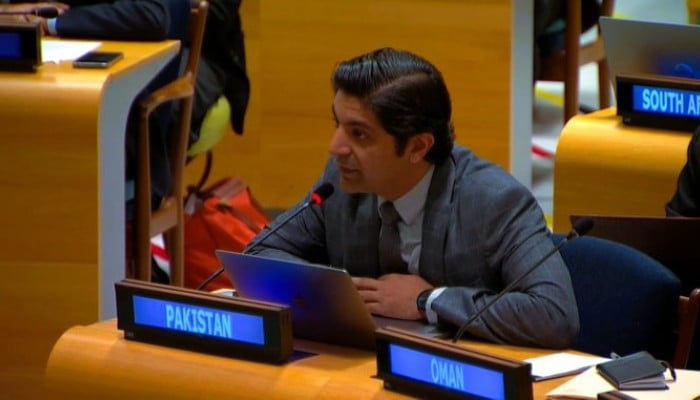
In a high-level diplomatic disclosure at United Nations headquarters, Pakistan's permanent diplomatic delegation formally presented comprehensive intelligence dossiers detailing systematic state sponsorship of cross-border terrorism by India. Islamabad's envoys asserted that Indian intelligence agencies are actively funding, training, and providing logistical support to notorious militant factions, specifically naming the Tehreek-e-Taliban Pakistan (TTP) and the Balochistan Liberation Army (BLA). According to the dossier, these proxies operate from sanctuaries established within neighboring Afghanistan, orchestrating coordinated attacks against military personnel, law enforcement agencies, and vital national infrastructure. The diplomatic briefing highlights a sustained campaign aimed at subverting internal security, undermining the state apparatus, and derailing regional integration frameworks.
Commercial & Economic Implications
Persistent security vulnerabilities and cross-border terrorism exert a heavy toll on Pakistan's macroeconomic stability, directly impacting retail trade, wholesale distribution networks, and investor sentiment. Supply chains originating from western border crossings face frequent disruptions, leading to elevated transportation costs, inventory delays, and localized commodity shortages. In domestic markets, these operational bottlenecks translate into upward pressure on consumer prices, exacerbating inflationary trends for essential goods. Furthermore, heightened geopolitical tensions deter foreign direct investment (FDI) into major industrial sectors and critical infrastructure projects, constraining private-sector expansion and dampening overall economic momentum.
Related Intelligence: Nigeria Security Crisis Chokes Borno Agriculture and Trade
Stakeholder Perspectives & Market Reactions
Business councils, corporate leaders, and trade associations across Pakistan have expressed grave concern over the security apparatus's findings presented at the global forum. Industry bodies, including prominent chambers of commerce in Karachi, Lahore, and Peshawar, emphasized that uninterrupted commercial activity and industrial growth depend fundamentally on durable internal peace and secure international borders. Legal experts and policy analysts have called for robust international monitoring mechanisms to hold state sponsors of terrorism accountable under international law. Public response reflects a resilient determination to safeguard national sovereignty, while demanding stringent diplomatic and economic safeguards to insulate domestic markets from external shocks.
Forward Outlook & Key Watchpoints
As Islamabad pursues diplomatic recourse through multilateral bodies, policymakers and market participants are closely monitoring regional developments and border management enforcement. Key watchpoints include potential diplomatic fallout at the UN Security Council, enhanced counter-terrorism operations along the western frontier, and prospective bilateral security engagements with regional stakeholders. Business leaders will closely evaluate upcoming monetary policy statements and fiscal reviews to gauge how effectively the government manages security expenditure alongside structural economic reforms.
Join Our Official WhatsApp Channel
Receive live commodity alerts, policy changes, and commercial intelligence directly on WhatsApp.