
Pakistan Clarifies Makkah Pact Terms Amid Regional Security Escalation
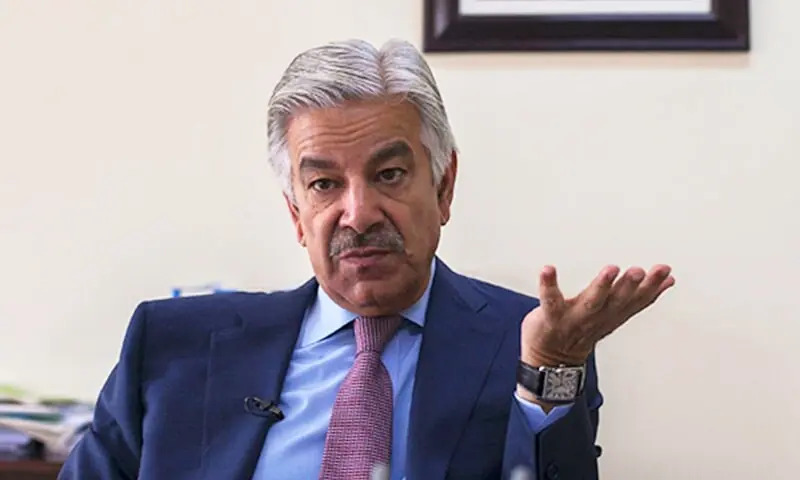
Defence Minister Khawaja Asif clarifies that the Makkah Defence Alliance permits direct military involvement to protect member states against external threats.
The Core Development
In a recent policy clarification delivered during a prominent television appearance on ARY News program 'Khabar Muhammad Malick Ke Saath', Defence Minister Khawaja Asif addressed the operational parameters of the newly formalized Makkah Defence Alliance. Asif stated unequivocally that no stipulation within the bilateral and multilateral pact bars member states from becoming directly involved in military operations if a fellow signatory faces a direct security threat.
The defence pact, officially executed on August 7, brings together Pakistan, Saudi Arabia, and Turkiye in a strategic trilateral security framework. The foundational objective of the agreement is to strengthen collective deterrence across the Middle East and South Asia, empowering signatory states to treat an armed attack or sovereign threat against one member as an attack against all three. When specifically questioned regarding the prospective deployment of Pakistani ground troops to Yemen amid escalating hostilities between Houthi forces and the Kingdom of Saudi Arabia, Asif emphasized that defending a partner nation operates under the doctrine of collective self-defence, wherein remaining members respond as if defending their own sovereign borders.
Commercial & Economic Implications
While framed strictly as a regional security arrangement, the Makkah Defence Alliance carries profound commercial and economic ramifications for Pakistan. For decades, the macroeconomic stability of Pakistan has been intricately linked to financial remittances from expatriate workers residing in Gulf Cooperation Council (GCC) countries, particularly Saudi Arabia. Bilateral trade, petroleum pricing concessions, and foreign exchange reserves heavily rely on robust diplomatic and economic ties with Riyadh and Ankara.
However, deepening military commitments abroad introduce significant fiscal and operational risks. Increased geopolitical entanglements can trigger volatility in international energy markets, potentially driving up domestic fuel prices in Pakistan. Higher petroleum, oil, and lubricants (POL) costs invariably cascade through national supply chains, inflating wholesale distribution expenses, driving up retail prices for consumer goods, and exacerbating inflationary pressures on ordinary citizens. Furthermore, any perception of heightened domestic economic resource allocation toward external military engagements could influence foreign direct investment (FDI) sentiment and sovereign credit ratings.
Related Intelligence: Pakistan Adjusts Fuel Prices as Petrol Rises to Rs398.96
Stakeholder Perspectives & Market Reactions
Business councils, corporate leaders, and domestic trade associations in Pakistan are closely monitoring the unfolding strategic alignment. Major industrial bodies in Karachi, Lahore, and Faisalabad have expressed cautious optimism regarding the economic dividends of fortified state-to-state alliances, noting that strong diplomatic ties with Saudi Arabia and Turkiye historically translate into vital financial bailouts, deferred oil payment facilities, and expanded export markets for Pakistani textiles and agricultural commodities.
Conversely, legal experts and financial analysts have raised pertinent questions regarding the constitutional thresholds and legislative oversight required for foreign troop deployments. Stakeholders emphasize the necessity for transparency from federal authorities to ensure that national defense commitments do not inadvertently strain public finances or divert critical administrative focus from domestic economic stabilization programs currently supervised by international lenders such as the International Monetary Fund (IMF).
Forward Outlook & Key Watchpoints
As geopolitical tensions in the Middle East persist, the practical implementation of the Makkah Defence Alliance will be subjected to intense international scrutiny. Key watchpoints for financial markets and policymakers over the coming months include official parliamentary briefings, subsequent trilateral defense coordination meetings between Islamabad, Riyadh, and Ankara, and any formal requests for logistical or ground support.
Market observers will also track energy import bills, currency exchange rate stability, and incoming worker remittance data to gauge the immediate economic fallout. Ultimately, the balancing act between honoring strategic regional commitments and safeguarding domestic economic resilience will define Pakistan's foreign and fiscal policy trajectory throughout the fiscal year.
Join Our Official WhatsApp Channel
Receive live commodity alerts, policy changes, and commercial intelligence directly on WhatsApp.