
Houthi Airport Strikes on Saudi Arabia Escalates Regional Security Crisis
Deadly Houthi strikes on Saudi Arabian airports have killed three people, escalating regional tensions and threatening global commodity and energy markets.
Geopolitical & Core Developments
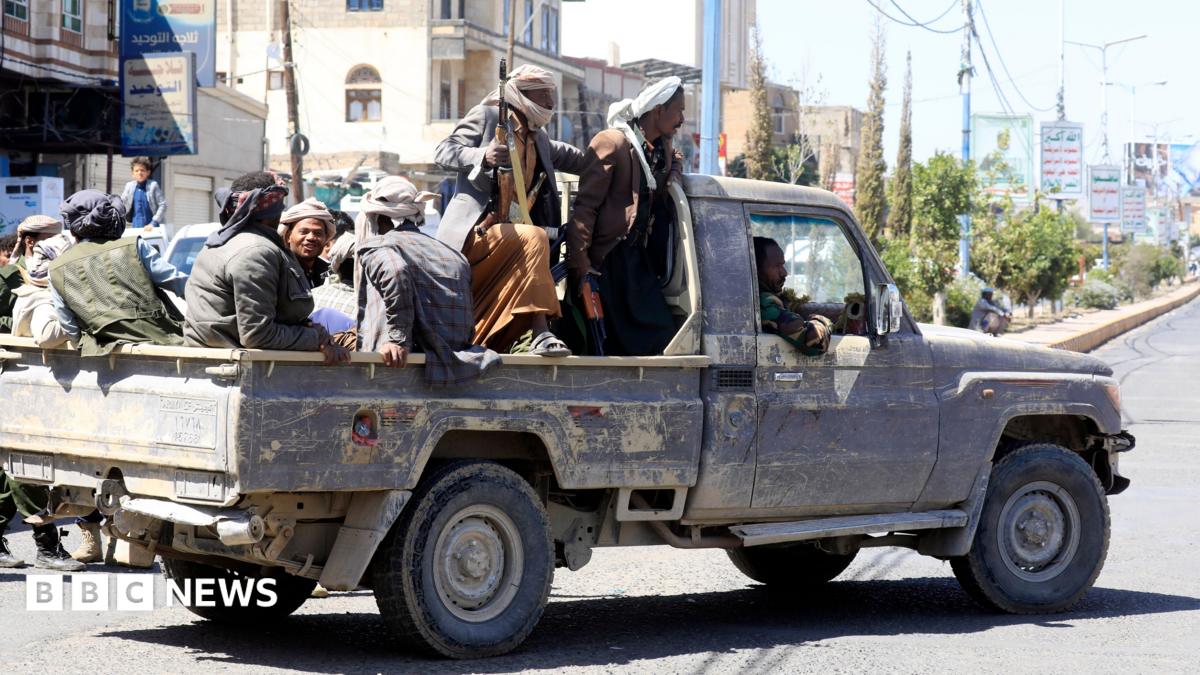
The security landscape of the Arabian Peninsula experienced a sharp and dangerous deterioration following coordinated drone and missile strikes targeting critical civilian and logistical infrastructure within Saudi Arabia. Officials confirmed that three individuals lost their lives in the assaults, which have been formally claimed by the Houthi movement. This escalation breaks a fragile relative calm and signals a strategic shift by the insurgent group toward high-visibility targets deeper inside Saudi territory. The utilization of advanced unmanned aerial vehicles and precision munitions highlights the growing technological sophistication and persistent threat vector facing regional air defense systems. Military analysts note that striking operational airports represents a direct challenge to Saudi sovereignty and undermines ongoing, albeit fragile, backchannel diplomatic efforts aimed at securing a permanent ceasefire in Yemen. The timing of the assault coincides with delicate regional maneuvers involving major international powers, further complicating the diplomatic architecture required to de-escalate hostilities.
Global Trade & Economic Ripples
Beyond the immediate humanitarian and security concerns, the attacks have sent immediate shockwaves through international commodity and energy markets. Saudi Arabia remains a cornerstone of global petroleum supply, and any credible threat to its critical infrastructure immediately introduces a risk premium into crude oil pricing. Benchmark Brent and WTI futures experienced upward pressure as traders factored in the potential for supply disruptions emanating from the Persian Gulf and the adjacent Red Sea shipping lanes. Furthermore, the Bab el-Mandeb strait, a crucial maritime chokepoint situated near the conflict zone, handles millions of barrels of oil and commercial cargo daily. Shipping insurers have begun re-evaluating risk assessments for vessels transiting the southern Red Sea, raising freight and insurance costs that ultimately feed into global inflationary pressures. Global supply chains, still vulnerable to geopolitical shocks, face renewed anxiety regarding the security of vital trade arteries connecting Asia, Europe, and the Middle East.
Related Intelligence: Pakistan Accuses India of State-Sponsored Terrorism at United Nations
International Reactions & Diplomatic Stances
The international community reacted with swift and unequivocal condemnation. The United Nations Security Council convened emergency consultations, with the Secretary-General issuing a statement deploring the loss of civilian life and emphasizing that attacks on civilian infrastructure violate international humanitarian law. Western capitals, including Washington and London, reaffirmed their commitment to the defense of Saudi territory while urging maximum restraint to prevent a broader conflagration. European Union foreign policy representatives highlighted the urgent necessity of returning to a comprehensive political dialogue under UN auspices. Meanwhile, regional actors expressed deep alarm, calling for reinforced regional security architectures and enhanced intelligence sharing to preempt asymmetric threats. Market analysts and geopolitical risk consultancies have begun advising multinational corporations operating in the Gulf to review contingency protocols and harden operational security measures against potential retaliatory or secondary strikes.
Strategic Outlook & Future Scenarios
The trajectory of the conflict now hinges on the nature and scale of the response from Riyadh and its coalition partners. A heavy military retaliation risks plunging the region back into high-intensity warfare, derailing nascent peace initiatives and plunging energy markets into sustained volatility. Conversely, exercising strategic patience while pursuing enhanced air defense cooperation with international allies remains a preferred path for mitigating immediate risks. Upcoming diplomatic summits and ministerial meetings are expected to focus heavily on tightening enforcement of arms embargoes against the Houthi movement and bolstering regional deterrence frameworks. As global commodity markets monitor developments hour by hour, the incident serves as a stark reminder of how localized insurgent campaigns can rapidly cascade into systemic risks for the global economy and international security architecture.
Join Our Official WhatsApp Channel
Receive live commodity alerts, policy changes, and commercial intelligence directly on WhatsApp.